There Is The Potential For Many Types Of Catastrophic Events Occur, What Would You Need In Advance To Insure Your Survival?

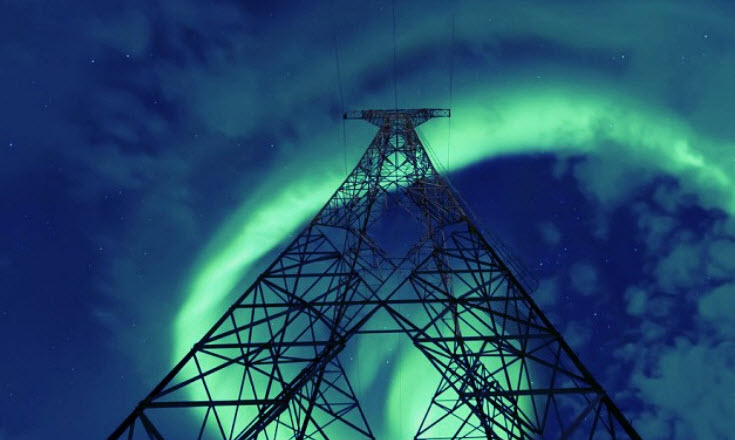
Those that are aware of the EMP commissions report have probably also heard the statement that this type of event would suddenly transport everyone involved back to the 1800’s almost instantly. It is also possible that up to 90% of the population could die within 2 years due to the sudden lack of modern technology. It does not matter if it is an EMP, CME, cyber attack or terrorist attack on the grid, the results will be largely the same.

This is a sobering notion that you can either believe or disbelieve. If you think it is all hype you need only to go back to your daily activities and hope it never happens and leave your survival to someone who will do something if it ever happens. For those hardy souls that take responsibility for their own fate and that of their family, it falls to you to determine what this type of event will mean for you. An event of this magnitude will affect different people in different locations in different ways.

It is important to first realize what changes you will likely see following this event. To understand this you must look at what a 19th century lifestyle would look like to you. Understanding these differences will help you to determine what plans you need to make ahead of time to adjust to these changes in a way that will allow you to survive. Here are some of the things you will face with a collapse in modern technology and this does not even take into account problems you will face from the ill prepared.

19th Century support systems included the following

Sailing ships for cargo and human transport
Steamships for cargo and human transport
Steam locomotives for cargo and human transport
Horses and wagons for cargo and human transport

Horses, mules and oxen for cultivation and harvesting
Root cellars for common storage
Ice houses to store ice cut in winter
Open pollinated seeds for planting
Livestock manure for fertilizer
Local mills for processing grains
Shallow dug water wells for fresh water
Manual tools for building and repairs

Developed systems for kerosene, whale oil and candle making for lighting
Mechanical power systems for factories and machinery
Telegraph lines for communication
Local craftsmen to build and repair items
Human and animal means to produce coal

Wood stoves for cooking and heating
Outhouses for sanitation needs
Buildings designed for natural ventilation

Limited clean water systems
Limited hospitals and doctors
Limited drugs, medications and medical equipment
Limited firefighting capabilities
Limited law enforcement capabilities

Physical currency of silver and gold
Banks utilizing paper records

Many of these systems exist today only in museums or historical sites and in insufficient quantities to support the population we now have. So simply going back to 19th century living standards would be impossible for the vast majority of people even under the best of circumstances. This brings to light the conclusion that 90% of the population would not survive long term under these conditions.

Assuming this type of event did occur, what would you need in advance to insure your survival? That is a question many people need to ask but most will not simply because their belief system would be shattered if they acknowledged potential threats and that they need to be responsible for their own lives.

There is the potential for many types of catastrophic events that we may never see but the potential should be enough to cause reflection on the individuals part to at least ask the important questions for their own survival. To prepare mentally as well as physically is important to survive the worst of the potential events we could face. You may not find yourself living in the 19th Century tomorrow, but what if?

Some scientists fear that the solar maximum that will peak in 2020 will spawn another CME similar to the Carrington Event causing catastrophic results on Earth

20171017_emp1

In 1859, an event unlike anything experienced before by modern man, occurred. A massive Coronal Mass Ejection occurred on the sun sending vast quantities of solar particles on a collision course with Earth. The result of this collision caused severe disruptions with the only major electrical equipment then in existence, the telegraph system. Magnetic observatories recorded disturbances in the Earths magnetic field that were literally off the scale.

Auroras were seen as far south as the Caribbean, gold miners in the Rocky Mountains were awakened by a light so bright they thought it was morning and those in the northeast could read news papers by the light.

Telegraph systems throughout Europe and North America failed and in some cases shocked telegraph operators. Telegraph lines threw sparks, paper in some telegraph offices caught fire and some lines continued to send messages even after the battery power had been removed from the line. The electrical effects were severe but the lack of electrical devices in use at this time allowed society to continue as normal and this disturbance was viewed as nothing more than a curiosity.

Scientists believe events of this size can occur every 500 years and events of a lesser but still destructive magnitude can happen several times per century. Scientists are getting better at predicting space weather but mother nature often times ignores our best forecasting and throws us a curve.

What would happen if a storm of this magnitude were to strike the Earth today? The biggest worry we have is the power grid. Satellites would be affected preventing most communications and financial transactions but if the grid goes down due to transformer blowouts, it could be a long time before we get it back up. The larger transformers 500+ KV in size cost millions of dollars and take 1 to 3 years to get even in normal times. Very few of these are kept in supply and the loss of dozens or hundreds at one time could be a disaster as only a small number are made every year and none are currently made in the U.S.

If many of these large transformers went down, it would take down our high tech society with it. Many of our cars and computers and appliances would probably still work, but how would we run them without power? How would we pump water to cities and pump fuel so trucks and trains could deliver food and medicine? How would our medical system operate without the high tech gadgets we depend on to keep people alive and diagnose them? How would we communicate and conduct financial business without our computers? Yes, we have backup generators but how long will they last before they run out of fuel that we can no longer process, pump and deliver?

This is the nightmare scenario we need to address before it happens. Currently we can detect CMEs about 20 hours before they reach Earth. The current plan is to notify power companies of the danger so they can shut down parts of the grid and protect the transformers before they get burnt out. It’s a plan but I feel the need to ask, is this really the best plan we can come up with? What happens if mother nature throws us a curve and we don’t have time to power down the transformers? A report from the EMP commission stated that it would cost about $60 to $100 million to protect the 300 largest transformers that power the grid and an additional $400 to $600 million to protect an additional 3,000 transformers but our leaders don’t think that would be the best use for our money. A NASA report indicates that within 90 seconds of a Carrington Event reaching Earth, the 300 largest transformers in the U.S. would go down and recovery would take 4 to 10 years and some estimates place the death toll in the tens of millions of people.

If the grid goes down civilized society as it is will disintegrate rapidly due to the lax moral standards we now have as a society. The pictures of Japanese citizens patiently waiting in line to get supplies after the 2011 tsunami is a stark difference from what you could expect in the U.S. As with many potential problems, if the government would only discuss it in public and offer the public some simple preparedness tips and discuss how we as a nation would repair the damage, the public knowledge would help mitigate the damage and aid in recovery operations. Unfortunately, that’s not how we do things in the 21st century.

So how do we know how bad it was in 1859 if we didn’t have electronic devices back then to measure it?

To be maximally geoeffective , ie: to drive a magnetic storm, a CME must
(1) be launched from near the center of the sun onto a trajectory that will cause it to impact Earths magnetic field,
(2) be fast (1000 km/sec + ) and massive, thus producing large kenetic energy and
(3) have a strong magnetic field where orientation is opposite that of Earth.

Solar Energetic Particle events dominated by shock-accelerated particles traveling near the speed of light are channeled along geomagnetic field lines into the upper atmosphere above the poles where they can initiate ozone depleting chemistry in the middle atmosphere. Nitrates produced by SEP bombardment settle out of the atmosphere within weeks and are preserved in polar ice, allowing the magnitude of the SEP to be estimated many years later. This is how we can estimate the magnitude of the Carrington Event and apply it to modern technology.

Some scientists fear that the solar maximum that will peak in 2020 will spawn another CME similar to the Carrington Event causing catastrophic results on Earth (SOURCE). The recent uptick in solar storms may give some credence to our newfound concerns. The problem with a solar event as opposed to a man-made event is the possibility that we could be hit multiple times over the course of months before it diminishes. This could make recovery efforts many times more difficult. It is possible for individuals to prepare for an event like this to limit the hardships but this is something that must be done well in advance. The problem is that the vast majority will not prepare and they will cause this disaster to become a catastrophe if it happens. Those that are not prepared to live through a situation like this face a life threatening situation. Those that are prepared, face the danger posed by the unprepared.

The preparations that you make for this situation are similar to many other disasters and will require similar items and planning. As I always stress, knowledge is the most important thing to have in a disaster and everyone needs to develop a plan that will work best for them. If the grid goes down besides not being able to travel or communicate, banking records could be frozen or destroyed taking your electronic money along with it. In this situation, the only money you may have access to is what you have on hand in cash and even then you may be limited as to what you will be able to buy. The only safe position is to already have supplies on hand. For this type of disaster, there is no such thing as being prepared too early or having too many supplies.

One final item that you need to plan for is the potential for a nuclear incident following a grid down event. The loss of power to maintain coolant can result in a meltdown of reactor fuel and the more serious problem of spent fuel coolant ponds going dry igniting radioactive fires. In this situation you have two choices, evacuate or shelter in place. Evacuation would be difficult at best and sheltering in place would present its own problems. An uncontrolled radioactive fire can spew radiation for decades so each person would need to evaluate the hazard to their location and plan accordingly. A modern day Carrington Event would be nothing short of Armageddon for the people of this planet

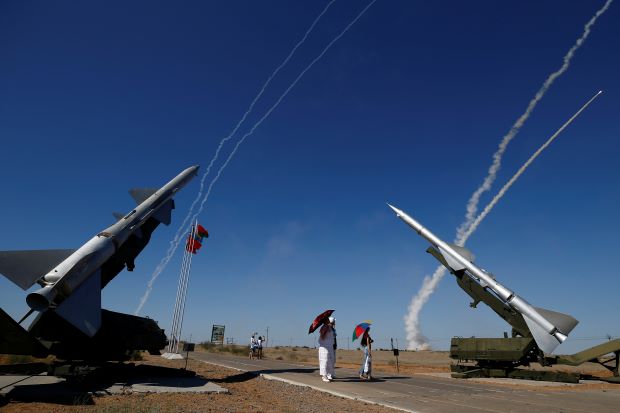
Russia’s New Generation of Nuclear Weapons Ready For WW3: Considering the potential effectiveness of this system, such missiles would give the Russians a distinct advantage over anyone

The arms race is an old one. Ever since our cavemen ancestors started using sticks and stones to attack each other, mankind has constantly sought to create more effective weapons. Some have sought this to use in attacking their enemies, while others only to defend themselves. Offensive warfare and defensive warfare are two sides of the same coin.

This arms race has also fueled technological research and development through the ages. Much of the technology that we depend on, every day of our lives, came from the Department of Defense (DOD). Many things which don’t have an obvious military application were in fact invented for the military, such as the Internet, the Global Positioning System and many modern emergency room techniques.

Much of the last century was overshadowed by this arms race, specifically involving nuclear arms. While there are still only a few countries who own these weapons, a huge amount of money has been invested in their development. That investment hasn’t stopped, as we can see from a recent announcement.

During his State of the Nation address, President Vladimir Putin of Russia announced the creation of five new, but interrelated, weapons systems. Amongst these are hypersonic, nuclear capable, cruise missiles, which are unstoppable by any current defense technology.

The idea of these missiles is obviously to defeat existing anti-missile systems, such as Israel’s Iron Dome system or the US THAAD system. It does this by operating in a different way than those systems are designed to defend against.

Current Anti-Missile Systems

In the contest between offensive and defensive systems, offensive systems always hold the upper hand, with defensive systems struggling to catch up. Such is the case with missiles as well. Current anti-missile systems are built to defend against the threat of yesterday, which might very well mean that Putin’s announcement was correct and they are totally ineffective for these new weapons.

There are two basic types of missiles we are talking about here; ballistic missiles and cruise missiles. Ballistic missiles are fired up into the upper atmosphere, just like a rocket putting a satellite into orbit. When they run out of thrust, they fall back towards the earth, their path of travel creating a huge arc and with their payload hitting the target. Amazingly enough, these missiles are highly accurate, even after crossing oceans.

Since the start of the Cold War, this was the type of nuclear missile which anti-missile systems needed to defend against. In the event of a nuclear war, ICBMs (intercontinental ballistic missiles) would be carrying nuclear warheads anywhere from a few hundred miles to the other side of the globe. The abovementioned Iron dome and THAAD systems, as well as others, are designed to defend against these kinds of missiles.

Different anti-missile systems recognize, target and attack these missiles during different parts of their flight trajectory. They can be designed to work on the boost phase, during the apogee of their flight or the terminal part of the flight. Each system only works against one part; not all three parts of the flight trajectory.

Cruise missiles could be said to be the direct opposite of ballistic missiles in that they don’t fly high up into the sky. Rather, they fly at altitudes which are typically lower than 100 meters. This allows them to defeat the radars and defensive missile systems which are designed to recognize ballistic missiles. They are also quite effective at defeating normal air traffic control radars and other short-range radar systems, as they can often fly under the radar’s minimum effective altitude.

Since there is no ballistic track and the radar visibility of these missiles is considerably shorter than that for ballistic missiles, defending against them is quite different. There are two basic types of systems used for this. One is anti-missile missiles which are also able to fly a cruise missile flight path, low to the ground. The other is point defense systems, which fire slugs (bullets) at the missiles at close range.

What’s Different About Russia’s New Missiles

There is little public information about these new missile systems, other than what Vladimir Putin said in his speech. However, the little bit that he did say is enough to show that if these missiles do exist, the Russians have made some major technological breakthroughs that the world should take note of.

First of all, these new missiles are supposed to fly at a speed of 10 times the speed of sound. That’s over 7,000 miles per hour, almost 14 times as fast as other cruise missiles out there. That speed makes for a much more difficult targeting solution, as the anti-missile systems have much less time to react. While they may still be able to hit the missile in a head-on defense, their cross-range (with the missile crossing in front of the defensive system) capability would probably be virtually nil.

Secondly, these missiles are designed for carrying nuclear warheads. While all cruise missiles are capable of that, their range is greatly reduced, due to the heavier weight of the warhead. While such warheads are generally smaller to make up for this,

Thirdly, these missiles are designed for long-range use. Typically, cruise missiles have a 1,000 km (621 mi) range. While no specific information was given about the range of these new missiles, it appears that they have intercontinental range, something that has never been possible before with cruise missiles.

The reason given for this great range was that these missiles use a nuclear powered engine, rather than a solid-fuel rocket motor. That was looked at, many years ago, by our own scientist and engineers, who concluded that it was impractical. If the Russians have managed to overcome the technical problems which were encountered then, they might have created a missile that can be launched in Russia and fly to wherever they want.

A Whole Weapon’s System

While I’ve been discussing this as if it were one type of missile, there are actually several variants of it, including a land based version, an air deployable one, and a sea-launched one. Considering the potential effectiveness of this system, such missiles would give the Russians a distinct advantage over anyone.

In addition to the missiles the Russians have supposedly developed a new type of submarine, which would carry the naval version of this missile. This submarine is supposed to have the capability of diving to much deeper depths than any other. That would allow it to escape from other countries submarines and travel to where it wanted, without being followed.

The deeper a submarine dives, the less cavitation noise the propeller produces. This noise is caused by air bubbles forming on the trailing edge of the propeller or “screw.” As they collapse from the pressure, they make noise. But the deeper the submarine dives, the faster the screw can turn, without cavitation.

What Does It All Mean?

While this weapons system gives the Russian military a distinct advantage; it only does so if it is ready for deployment. Considerable doubt has been raised as to whether or not these weapons actually exist. The only imagery that Putin used with his speech were computer generated; not actual photographs. So it is quite possible that these weapons are still under development or just plans for the future.

Even if these weapons have completed their testing and are ready to be manufactured, it could still take several years before enough of them have been built and issued to the military. In the mean time, you can be sure that other countries will be hard at work to develop an effective means of countering this new threat, whether by modifying existing weapons systems or developing new ones

Preparation Is Key to Adapting to Future Events, and Those Without Resources Will Reap a Bitter Harvest as they Struggle to Survive

Those that are aware of the EMP commissions report have probably also heard the statement that this type of event would suddenly transport everyone involved back to the 1800’s almost instantly. It is also possible that up to 90% of the population could die within 2 years due to the sudden lack of modern technology. It does not matter if it is an EMP, CME, cyber attack or terrorist attack on the grid, the results will be largely the same.

This is a sobering notion that you can either believe or disbelieve. If you think it is all hype you need only to go back to your daily activities and hope it never happens and leave your survival to someone who will do something if it ever happens. For those hardy souls that take responsibility for their own fate and that of their family, it falls to you to determine what this type of event will mean for you. An event of this magnitude will affect different people in different locations in different ways.

It is important to first realize what changes you will likely see following this event. To understand this you must look at what a 19th century lifestyle would look like to you. Understanding these differences will help you to determine what plans you need to make ahead of time to adjust to these changes in a way that will allow you to survive. Here are some of the things you will face with a collapse in modern technology and this does not even take into account problems you will face from the ill prepared.

Nineteenth Century support systems included the following:

Sailing ships for cargo and human transport

Steamships for cargo and human transport

Steam locomotives for cargo and human transport

Horses and wagons for cargo and human transport

Horses, mules and oxen for cultivation and harvesting

Root cellars for common storage

Ice houses to store ice cut in winter

Open pollinated seeds for planting

Livestock manure for fertilizer

Local mills for processing grains

Shallow dug water wells for fresh water

Manual tools for building and repairs

Developed systems for kerosene, whale oil and candle making for lighting

Mechanical power systems for factories and machinery

Telegraph lines for communication

Local craftsmen to build and repair items

Human and animal means to produce coal

Wood stoves for cooking and heating

Outhouses for sanitation needs

Buildings designed for natural ventilation

Limited clean water systems

Limited hospitals and doctors

Limited drugs, medications and medical equipment

Limited firefighting capabilities

Limited law enforcement capabilities

Physical currency of silver and gold

Banks utilizing paper records

Many of these systems exist today only in museums or historical sites and in insufficient quantities to support the population we now have. So simply going back to 19th century living standards would be impossible for the vast majority of people even under the best of circumstances. This brings to light the conclusion that 90% of the population would not survive long term under these conditions.

Assuming this type of event did occur, what would you need in advance to insure your survival? That is a question many people need to ask but most will not simply because their belief system would be shattered if they acknowledged potential threats and that they need to be responsible for their own lives.

There is the potential for many types of catastrophic events that we may never see but the potential should be enough to cause reflection on the individuals part to at least ask the important questions for their own survival. To prepare mentally as well as physically is important to survive the worst of the potential events we could face. You may not find yourself living in the 19th Century tomorrow, but what if?

Many people have read the reports that claim we would be sent back to 19th century living levels following an event and many simply think they could bear that for a short period until things get fixed. The problem is we no longer have 19th century infrastructure to support that level of existence. We do not have the transportation systems based on horses and steam locomotives, the ability to grow, harvest and process food the 19th century way, the local water sources to support populations, the sanitation systems or the medical systems that do not rely on technology or the ability to heat and cook the 19th century way. We have the knowledge to build these systems but that takes time and resources we may not have especially in the large cities. Without these types of systems waiting on the sidelines to be readily put into action, society as it is would collapse into tribal warfare as groups fight for the few resources that still exist. Even with these systems we could not support the number of people we now have. In short, many people would die even in the best of circumstances. Those that have these types of systems would have the ability to survive if they could protect these resources long enough.

If you own a large boat and suddenly sink for some reason many miles from shore, there is an easy way to survive this situation and a hard way to survive. You can have a good life boat, supplies and a radio to call for help and wait in relative safety or you can float around in the ocean with nothing but a life jacket hoping somebody finds you in time.

Any type of disaster can be looked at in these terms. Preparation makes all the difference when things happen. With all of the talk about a possible EMP happening it is important to think in these terms and provide yourself the best possible way to survive events should they happen. This means realizing what could happen and what supplies you need that can survive the initial effects of the disaster.

An EMP has its own special problems when it comes to storing supplies, especially equipment, to survive the aftermath. The special nature of an EMP make many types of equipment unreliable following an event without proper storage. Even with proper storage the use of a super EMP could overwhelm many basic storage devices such as homemade faraday cages. The U.S. hardened some of its military infrastructure to withstand a pulse of 50 kilovolts/meter. The problem is that Russia has weapons that can produce up to 200 kilovolts/meter which would likely overwhelm our most hardened components. Until it actually happens you don’t really know what will survive. This is the crux of the problem trying to decide what to store to survive an EMP.

I go about this in a twofold manner. I store electronic devices in the safest manner I can but I also have a non-electric backup system in the event that fails. As with any preparations, two is always better than one. This means if one system fails you have another to go to you can be sure will work when needed. This means preparing systems in depth to assure availability.

Just as an example, if you know you will need transportation following an event you could have an older vehicle stored in a metal building to protect it and certain electronic components for that vehicle stored with additional shielding in the event the vehicle is damaged. This will allow repairs following the event. Then you could have a secondary mode of transportation such as horses, a bicycle or a boat depending on your circumstances. This provides you with many options no matter how bad the event was. Just keep in mind that the simpler the system, the more likely it will still work when needed.

You need to determine what critical systems you will need or want following an event and determine what you will need to store to have those capabilities. This prior planning is essential so you do not waste time and limited resources on items you do not need or will not survive the initial phases of the event.

If you want power following an event you need to do a good assessment and determine what components will give you the most bang for the buck. A generator is good but you would also want to store electronic components that can break or burn out as well as items like carburetor kits and spare spark plugs. You would need a good fuel supply on hand and possibly an alternative fuel source like propane or wood gas. If this system fails to work following an event you would need a secondary energy source. Solar or wind is good but you would need all of the components to make a complete energy system including charge controllers, batteries and power inverters.

If you have solar panels and batteries and these are the only things to survive you will still have generating and energy storage capability. Having panels hooked directly to batteries would require close monitoring to prevent damage and a simple voltage meter would be helpful in this regard. This would give you 12v or 24v power to utilize in an emergency and there are many products out there that run on these voltages. This would provide you with a viable energy system as a backup and some capabilities even if you only had a 12v lighting system and a 12v absorption refrigerator to use. Planning ahead and breaking it down to the most likely components to survive will avoid wasted time and money.

Propane appliances are a good way to go when planning for electrical disruptions. Old school propane appliances that lack a lot of electronics will insure operability when you need it. A good supply of propane is also easy to get at this time allowing you to run appliances for months or years depending on your storage capacity. This can give you the time needed to survive and adjust to long term realities.

At the bottom tier of your alternatives should be manual tools and equipment that can replace electrical and energy dependent devices to accomplish the tasks you deem necessary following an EMP event. These are the systems you can depend on to work no matter what happens. This is your last line of defense in a worst case scenario. When planning systems I try to buy the manual items first simply because they are usually cheaper and if something happens before I buy everything I want, I know what I have will work.

Thinking ahead and identifying the weak links now will allow you to survive much easier than the general population will if such an event comes to pass. Having even a handful of backup systems that still function following an event will give you a definite edge when survival becomes a daily task. Every capability you have following an event gives you that much more to insure survival. Surviving an EMP event will be no piece of cake by any means but would you rather be afloat in relative safety or simply fighting to keep your head above water?

What Do You Do When Your Supplies Run Out? When The World Suddenly Changes Overnight You Need To Be Ready To Adjust To It

The small percentage of the population that keeps extra supplies on hand in the event of a disaster have taken the necessary steps to insure their family will not suffer as most others will following an event. This is the act of intelligent people that realize we live in a dangerous world with many unknowns.

It does not matter if you are prepared for two weeks, two months or two years of societal disruptions. At some point, if the event goes on long enough, you will eventually come to the end of your supplies. When that happens, what will you do?

Having a two year store of supplies is exceptional but as we have seen, some disasters can last far beyond that. The food scarcity we see in places like Venezuela have taken years to unfold and some past wars have raged on for more than a few years. When that happens even your best efforts may fall short and leave you in want.

Those that store a certain amount of supplies for a set period of time need to think beyond that period of time and imagine what they will do when the disaster lasts longer than they had planned on.

When you plan for an event, you need to think of the worst possible scenario and have a plan to handle it. A worst possible case may entail more supplies than you have the ability to buy or store but you should consider what your actions will be if you find yourself in that situation. Thinking about it now while you have the time to find solutions and determine a course of action will help you to stay calm and prevent you from making mistakes that might harm you later.

When an event happens, your greatest asset is your own mind. You need to program it with all of the answers you will need to get you through difficult times when they appear. This is the most basic level of preparing for difficult times that you can do.

Once you think through the possible troubles you may have in the future you will hopefully have answers at the ready when they are needed. Once you do this you will also be able to come up with a list of specific items that can help you the most if you get in that situation.

It may be tools, seeds, relocation sites or friends you can turn to that will make all the difference when the time comes. It costs you nothing but your time to sit down and think about these things now so there is no reason for you not to do it. When you are in need or in danger it is the little things that can make all of the difference.

Having supplies to care for your family buys you time and peace of mind when something happens. This time allows you to assess the situation and determine what your next move needs to be. It is impossible to plan for all of the potential unknowns you could be faced with which is why you need the time to adjust your plans and determine a course of action.

What works for one person may not be possible for someone else because people and situations are so vastly different. That is why you need to determine what will work for you and have a plan that you can follow. Looking at the plans of others can give you some good ideas but simply taking the plans of someone else and depending on that with no adjustments can be disastrous. You do not want to put yourself in a situation that is outside of your knowledge base.

When the world suddenly changes overnight you need to be ready to adjust to it. You need the resources to buy you the time to adjust and a plan that allows you the ability to survive and prosper long term

People Today Believe Anything But Reality And That Will Catch Up To Them All Very Soon In A Very Painful Way

As the world begins its next adventure in financial chaos and rolls over to expose its soft underbelly of lies and deceit that have been perpetrated on the public, those that see the truth have been warning the people once again. You can give people the truth but you cannot make them believe it. That is for them to come to grips with.

Trade wars are usually bad for all parties in the end but between the beginning and the end there can be some surprising developments. Human actions and delusions on the part of the public can produce strange results at times. All of our systems are based on trust. When that trust is lost, everything will come crashing down. Until then, things will go on.

If trade tariffs with China have the short term effect of creating American jobs, that could have a wealth effect by creating more disposable income in American pockets. That in turn can have a positive effect on the stock market and consumer confidence. Also, commodities are set to soar in price soon and this could carry the stock market up with it for a while.

I think you already know the answer to this, our government is preparing for a crisis – A MAJOR CRISIS. 
So make sure you watch this presentation while it’s still online…

bnr

Richard Russell once said he believed we would have a third leg in the current bull market before the bears take charge. He was right in the past and could be right again, only time will tell. This situation can not last long due to the enormous mal-investment built up in the system over many decades. A house of cards will eventually fall and the taller the house the longer and harder the fall will be.

One thing that could destroy the temporary high could be the destruction of the financial system due to loss of the reserve currency status and the replacement of the petrodollar system. If and when that happens things will not be looking good for America for a very long time. China is taking actions that could result in just that type of outcome. Their new silk road initiative and oil trading system utilizing Yuan to gold will eventually have serious consequences for Americas standard of living.

Total debts and derivatives in the world amount to 30-50 times of world GDP. The bulk of this is derivatives and when they fail they will become worthless. The 250 trillion or so in global debt will default when asset prices implode and interest rates explode. When the debt bubble explodes stocks could decline by as much as 95%. Interest rates could exceed the 20% rates we saw in the 1970’s.

In the last 100 years the value of major currencies have declined by 97-99 % relative to purchasing power in gold. The last 1-3% will follow very soon. When the financial system collapses due to losses from derivatives and stocks it will erase all of the savings, and retirement funds people were expecting to get at some future date. This will instantly impoverish the bulk of the population.

As the system collapses the banks will likely try to re-inflate assets by massive money printing which will only cause hyperinflation at some point. As hyperinflation kicks in the price of many assets like stocks, bonds, investment properties and art will likely collapse in real terms. Items like gold, silver and productive farmland will likely fare better.

Eventually deflation will carry all asset prices down as the world falls into a global depression, possibly for decades. All of these things will likely result in social unrest and wars as people become hungry and angry at a system they took for granted for so many years. The trust will be broken and people will look for something else to believe in.

One thing is for certain. People today believe anything but reality and that will catch up to them all very soon in a very painful way. Things work until they don’t. Our economy has been rolling along for decades on the stored wealth of previous generations but that is about to run out of steam very soon. When it does it will be a shock to all but a few. You can ignore reality but you cannot ignore the consequences of ignoring reality.

If you’re interested in learning more old remedies, you should read The Lost Book Of Remedies.

Lost Book of Remedies pages

The physical book has 300 pages, with 3 colored pictures for every plant and for every medicine.It was written by Claude Davis, whose grandfather was one of the greatest healers in America. Claude took his grandfather’s lifelong plant journal, which he used to treat thousands of people, and adapted it into this book.

Lost Book of Remedies cover

Learn More…

Want To Prep But Not Sure Where To Begin?

The “Top Secret” Brookings Report And Alien Life

top-secret-documents

Just a few weeks ago, I did a radio show on UFOs that started off on the Men in Black, but which later became focused on the well-known document titled Proposed Studies on the Implications of Peaceful Space Activities for Human Affairs, a part of which was focused on alien life. It was a document written by an employee of the Brookings Institution named Donald N. Michael. The report was contracted by the Committee on Long Range Studies, which was an arm of NASA, the National Aeronautics and Space Administration. The document was completed and provided to the House of Representatives in the 87th United States Congress on April 18, 1961.

The host of the show referred, on several occasions, to the “top secret” nature of the document. I pointed out that the document had not been top secret at all. “Yes, it was,” was the reply. “No, it was not,” I hit back. Other people who phoned in said the document had a high classification. One caller stated it had “been classified above top secret.” There is no “above top secret” category, by the way. Matters went on like this for around fifteen minutes. Afterwards, and for a few days, I decided to run a little experiment. I spoke to a few people in Ufology about the Brookings report and deliberately steered the conversation in the direction of the supposedly secret document. I was amazed at the number of other people who had assumed the document had been highly classified. One was sure there was a “top secret” stamp on his copy of the report, which is complete crap. All of this demonstrates just how unreliable our memories can be. How do we know this? Well, consider the following:

In the December 1960 / January 1961 edition of the NICAP UFO Investigator magazine, a feature appeared under the banner of Space-Life Report Could be Shock. It tells us this: “The discovery of intelligent space beings could have a severe effect on the public, according to a research report released by the National Aeronautics and Space Administration. The report warned that America should prepare to meet the psychological impact of such a revelation. The 190-page report was the result of a $96,000 one-year study conducted by the Brookings Institution for NASA’s long-range study committee.”

As the above extract from NICAP (the National Investigations Committee on Aerial Phenomena) makes abundantly clear, the ufologists of the day – late 1960 / early 1961 – knew all aboutthe Brookings report. It was not a hidden report. In other words, there was nothing secret about it at all. NICAP added: “Public realization that intelligent beings live on other planets could bring about profound changes, or even the collapse of our civilization, the research report stated. ‘Societies sure of their own place have disintegrated when confronted by a superior society,’ said the NASA report. ‘Others have survived even though changed. Clearly, the better we can come to understand the factors involved in responding to such crises the better prepared we may be. Although the research group did not expect any immediate contact with other planet beings, it said that the discovery of intelligent space races ‘could nevertheless happen at any time.”

NICAP had more to say: “Even though the UFO problem was not indicated as a reason for the study, it undoubtedly was an important factor. Fear of public reaction to an admission of UFO reality was cited as the main reason for secrecy in the early years of the AF [Air Force] investigation. Radio communication probably would be the first proof of other intelligent life, says the NASA report. It adds: ‘Evidences of its existence might also be found in artifacts left on the moon or other planets.’”

And then there was this from NICAP: “…previous thinking by scholars who have suggested that the earth already may be under close scrutiny by advanced space races. In 1958, Prof. Harold D. Lasswell of the Yale Law School stated: ‘The implications of the UFOs may be that we are already viewed with suspicion by more advanced civilizations and that our attempts to gain a foothold elsewhere may be rebuffed as a threat to other systems of public order.’ The NASA warning of a possible shock to the public, from the revelation of more advanced civilizations, support’s NICAP’s previous arguments against AF [Air Force] secrecy about UFOs. All available information about UFOs should be given to the public now, so that we will be prepared for any eventuality.”

Even when I brought all of this to the attentions of friends and colleagues, some were still sure it had been a highly classified document, with one claiming it had remained classified until the 1990s. Garbage! This may have far more to do with the human mind and our memories, rather than sloppy research. I’m reminded of other similar situations and memories of the Fortean kind, such as those concerning the “missing Thunderbird photo,” a subject I’ll get to on another day.

If you’re interested in learning more old remedies, you should read The Lost Book Of Remedies.

The physical book has 300 pages, with 3 colored pictures for every plant and for every medicine.

Lost Book of Remedies pages

It was written by Claude Davis, whose grandfather was one of the greatest healers in America. Claude took his grandfather’s lifelong plant journal, which he used to treat thousands of people, and adapted it into this book.

Learn More…

Lost Book of Remedies cover

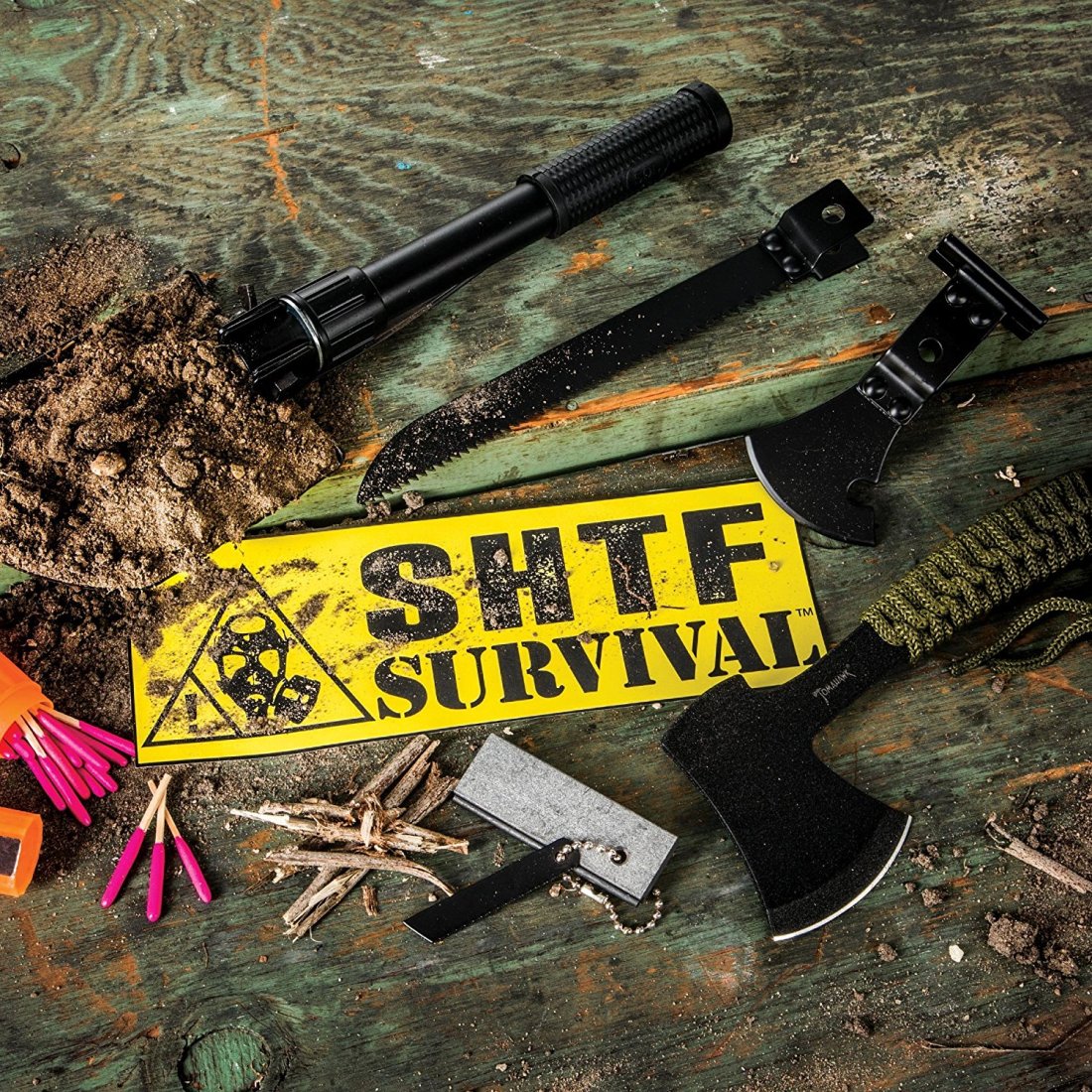
What to Expect During Martial Law And What You Can Do To Ensure Your Safety – Get Ready To Move Your Family ASAP When SHTF

In case you don’t know, martial law is when the government takes over a designated territory, suspends constitutional rights, and enforces authoritarian power with the use of the military. Basic civilian rights such as a trial before imprisonment and other democratic processes are limited or suspended completely. Every democracy has the potential for martial law.

Martial law usually happens during something like large riot, a terrorist attack, or a large scale natural disaster. During frightening events like these, many people prefer to give up their rights so they can have the peace of mind an authoritarian government offers. Who needs rights as long as you can feel safe from looters, right? The trouble is, there have been instances where martial law has gone too far.

Here are a few things to expect during martial law and what you can do to ensure your safety.

1. Confiscation of Firearms

As it shows in the video above, one of the first things to occur under martial law is the confiscation of firearms. Any civilian with a firearm will be deemed a threat, which means it’s important to hide your weapons in a place that only you and trusted family or friends know about. Have multiple stashes so if one stash is found, you can pretend that’s all there is. If you have a bunker, keep some weapons and firearms there as well. Make sure you have plenty of ammo, too.

Expect to be searched without cause. Anything that is found on you is in danger of being taken. Keep this in mind when going out so that you don’t lose something valuable to government forces or other opportunistic enemies. Also, if you have children in your home, please keep your gun in a combination safe.

2. Curfew

Curfew under martial law will be strictly enforced, and it is inadvisable to break it. In the event that you must go out past curfew, be prepared. Know back routes and less traveled paths to your destination. Stealth is of the utmost importance, so be sure you have the appropriate gear to move about quickly and undetected. If you must travel in groups, keep them small. The larger the group, the higher the risk of being detected.

3. Restriction of Free Speech

Your constitutional rights are void under martial law, so it’s best to keep your opinions to yourself. There will be people who will object to martial law, and those that loudly protest will suffer. A protester during martial law is likely to be imprisoned and possibly shot. If you have the desire to rally together a militia, do so with extreme care and discretion. Militias typically operate underground as they are the weaker and smaller force.

4. Forcible Removal from Property

Just because you own the land or house you live in doesn’t mean you’ll be allowed to stay there once martial law is in place. Depending on the situation, it is possible that many people, including you, will be relocated. They may also decide to set up camp in your home, so be prepared for this. Have a bug out bag ready at all times in the event of martial law so when the time comes you can relocate quickly and safely.

You may choose to stay on your property and in your house, but it would be a high-risk move for the average home owner. The precautions taken to prevent the take-over of your home are only going to be effective against looters and not against well-equipped and trained government forces.

5. Confiscation of Food Supplies

Along with your firearms, military forces may choose to take your food supplies as well as other basic living essentials. If you have any medicine you need, hide it somewhere. Keep most of your medicine in your bunker, a little on your person, and the rest in a hidden location in case you are unable to bunker down in time. While most people stock up on food supplies at home, it would be wise to have a good stock of food and water in a well-prepared bunker. Homes are easy targets and may be raided for supplies by military forces, leaving you high and dry as well as dependent on the government for your next meal.

6. Detained or Imprisoned at Will

For whatever reason, you may be imprisoned by military forces without provocation. They may find you suspicious or threatening, mistake you for someone else, or just hate your face. The best thing to do under military law is to stay out of sight. Never draw attention to yourself. In the event that you are in the presence of or confronted by government forces, always act as a good citizen should, being readily obedient until you can slip away.

When Has Martial Law Been Enacted Throughout History?

National martial law in the United States was only declared once, and that was in the great Civil War. Keep in mind that the national level requires the declaration of the President or the Congress. Other than that, history has shown that martial law has been limited to states.

Use of military force was enforced in instances such as the Whiskey Rebellion and during the Civil War, but there wasn’t any declaration of martial law. Here are some more instances where martial law was enacted throughout history:

Freedom Riders – Alabama governor Patterson declared martial law on May of 1961 in order to combat the agitators coming in the state specifically to violate Alabama’s laws and customs.

Hawaii Territory – Hawaii was held in December 7 1941 under martial law during WW2 and was not lifted until October 24 1944. Hawaii’s federal judges later condemned the rule stating that a military dictatorship was set up not in the island’s best interests, but to those of the army.

San Francisco 1934 – Frank Merriam, governor of California during 1934 declared martial law and cited “unlawful tumult and riots” when dock workers held a strike. The National Guard was summoned to open up the docks and were able to successfully control it, averting the crisis. Furthermore, the guardsmen were given the power to make arrests or detain the employees for later court trials.

Tulsa Race Riot – The Oklahoma National Guard decreed martial law in 1921 in response to KKK members conspiring to eradicate Black Wall Street. The plan was to wipe out the business center of African Americans by jealous whites. Those who tried to flee were shot or lynched by the KKK.

Coal Wars in West Virginia – Martial law was declared for the West Virginia state when coal wars erupted in the years 1920 to 1921. Federal troops were sent by Governor Cornwell’s orders to rally up the miners who rallied. It was one of the few martial laws that was used for ostensible reasons, as the army officers used their power to jail union members. Martial law dictatorship by Governor Cornwell and the army ended with Sid Hatfield’s trial.

Colorado Coalfield – War Martial law was imposed on the climax of the Colorado Coalfield War in 1914. The decades-long conflict finally bubbled over and it was the town of Ludlow, Colorado that took the hit. As such, the Colorado National Guard was summoned to calm the protests. The shifting of National Guard opinions led to clashes and resulted in the Ludlow Massacre. American President Wilson ended the violence by sending in the federal troops.

1906 San Francisco  Earthquake Presidio – troops were called to action after the great earthquake in 1906. Martial law was declared and the guards were stationed all throughout San Francisco. Dynamite was utilized to destroy buildings in the path of fire to prevent it from spreading further.

1892 Coeur d’Alene – Mine workers shot at opposing miners and destroyed a mill in the 1892 Coeur d’Alene incident in Idaho.  The governor promptly called for martial law, summoned the guardsmen and requested for federal troops as well. The result was the arrest of over 600 people, which ended with the court martial of more than 20 ringleaders.

The Chicago Fire – Roswell Mason, then mayor of Chicago, declared martial law in 1871 after the Great Chicago Fire. He then ordered General Philip Sheridan to take over and put the city under control on October 9 1871. When the great fire was put out, the state of martial law was lifted in just a few days.

Ex parte Milligan – President Abraham Lincoln imposed martial law authorized by the congress on September 15 1863. The act effectively suspended habeas corpus throughout the whole of United States, declaring the suspension on spies, aiders, prisoners of war and enemy abettors. It was later challenged by the Ex parte Milligan and won as the Supreme Court ruled the martial law as unconstitutional.

The War of 1812 – General Andrew Jackson declared the state of emergency in New Orleans, Lousiana during the War of 1812. He then successfully fought off the invading British, but kept the martial law active, saying he didn’t receive the official word of peace.

The American Revolution – Parliament effectively passed the Government Act of Massachusetts after the Boston Tea Party, which suppressed any and all assemblies and town meetings. It also imposed an appointed government, which is very similar to the current martial law we have today.

Summary

Martial law has happened countless times before, and it is bound to happen again. if martial law is in place, you are in danger and it is in your best interest to hide until normal government functions resume. It is important that you at least have a plan of action for when martial law takes place. Your survival is all that will matter in that time, and it will not be an easy effort. There are many opportunists and bad people out there that will thrive under martial law. You will need to be able to defend yourself from such people.

Defending yourself from an attack is the worst case scenario and best avoided by staying out of sight. Don’t go out in public, and especially avoid high trafficked areas. Learn basic survival skills like hunting and off grid cooking. You must be ready for anything. If you have a bunker to hide out in, be sure not to take any cell phones or GPS devices that could give away your location (even if you think you can’t get a signal underground). Only leave your bunker or hiding spot when absolutely necessary. Your welfare during martial law will depend on your preparedness.

America’s Second Civil War Has Already Begun – “We are five days away from fundamentally transforming the United States of America.”

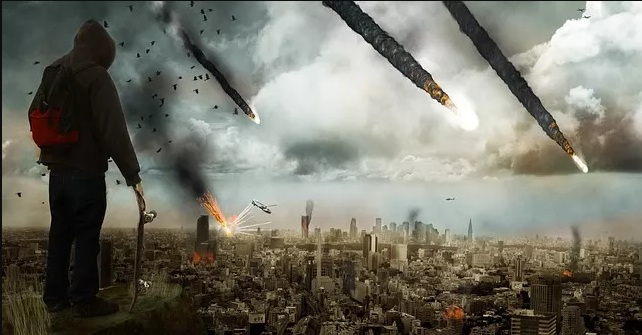
In an excellent article by Jeff Lukens here on American Thinker, he asks the question, “Is a second civil war coming?”  In reply, I say that America’s second civil war has already begun.  Its opening shots were fired by Barack Obama when he stated, “We are five days away from fundamentally transforming the United States of America.”

Most of this country is center-right and never considered America a place that needed transformation.  Most people can think of things they would change but few believe the nation needs to be torn down and rebuilt.  Obama failed but the left soldiers on in its quest for a new America remade in their own image.

When Obama went on his world apology tour, he wasn’t apologizing forAmerica, he was apologizing for Americans.  This is the essence of this second civil war.  Leftists are demi-gods who believe they are America and that anyone who does not believe in them cannot lay legitimate claim to this country as their own.

Yes, this war has begun.  The opening skirmish was the Obama presidency itself, which history will see as a failure, despite what the media want us to believe in the here and now.  Sure, he passed ObamaCare and Dodd-Frank, overregulated, and ruled by executive diktat to great media acclaim.  Yet, ObamaCare and Dodd-Frank have been whittled away by legislation and judicial rulings, while Trump has prioritized deregulation and reversed many of Obama’s illegal executive orders.

The war’s second battle was the 2016 presidential election when Hillary Clinton, Obama’s chosen successor, lost to a television personality whom very few took seriously as a candidate.  Trump won despite the Obama administration conspiring with the Clinton campaign to steal the election and has remained as president even as that conspiracy fundamentally transformed into a failed coup attempt to depose him.

Trump’s presidency has been the third battle and with his string of successes, the battle is being won.  This, despite near-universal acrimony and condemnation among the media, the Democrats, and the left.

But, “what difference, at this point, does it make?” because these victories are pyrrhic.  As the eminent Michael Walsh said of the left, “they never stop, they never sleep, they never quit.”  Democrats are chipping away at this nation with their policies.  This is a war of attrition and we Americans are being attrited.

For example, their “open borders” policy is effectively importing a new electorate — one guaranteed to vote for them.  The left agrees with Obama, there is nothing wrong with America, it’s those damn Americans, so they are going to drown the conservative vote with new Democrats.  It’s the same with their policy of “everything should be free.”  Why vote for someone who promises equal opportunity when someone else promises a better outcome?

Nuclear winter became global warming became climate change became “we want total control over everything.”  The reason why Democrat candidates for the presidency so quickly signed on to my congresswoman Alexandria Ocasio-Cortez’s Green New Deal is its promise of comprehensive control over every aspect of our lives.  Eliminating planes, trains, and automobiles will keep us close to our homes and jobs or for those “unwilling to work” in their basement enjoying their “universal basic income.”  Dependent people without mobility are easier to control.

The 2020 election looms as the next battle and it will be hard fought because Democrats have myriad policies that may sound great but are really about control.  They have always been masters of micturating down our leg and telling us it is raining.

Yet, they don’t need to trick us into acquiescence, because even should Trump win, without a complete reversal by the Democratic Party, a renewed free and fair media, and a return to the principles upon which this nation was founded, this war will continue, and it is only a matter of time before the left again wins the Presidency, or the House, or the Senate — or all three.

When that happens, this civil war will become hot because the Democrats are going to come for our guns.  An armed citizenry is a free citizenry, and they can’t have that.

The third most populated nation with 330,000,000 people, America has an estimated 350 million guns in circulation; any effort to seize them will call for the total mobilization of our armed forces, city and state police, and the National Guard.

People are not going to turn in their guns and politicians who think they will do so are being naïve.  Fighting will surely ensue as the forces of the regime go door to door to try to take them.

Many of those empowered to confiscate weapons won’t obey orders.  Defections will be common and there will be fighting in the streets, limited at first, but it will soon break out into open rebellion.  The regime will become increasingly strident and many states will refuse to comply.  Using Democratic-run “sanctuary cities” as an example of state nullification of federal law, talk of secession will become rife.

The ruling leftists will, of course, be surprised, and orders will be given to the remaining loyalist forces to put down the rebellion.  In the end, the death toll will far exceed the 620,000 people who died in our first civil war.

To people who say it can’t happen here, I say history is replete with examples of places that no longer exist where people believed “it can’t happen here.”

It can’t happen here?  Open your eyes, it has already begun.

Could You Turn Friends/Family/People Away When the SHTF? This Question We Need to Ask Ourselves and Think About Very Seriously

older-couple-walking-relationship-advice-780x518

One part of prepping that is sometimes overlooked or not given the consideration it deserves is what you will do when someone comes knocking on your door. I’m not talking about the wondering stranger, I’m talking about close family members that may or may not know you are prepping.

The question we need to ask ourselves and think about very seriously is who you would turn away, and what extended family members would you help out in a disaster or SHTF event.

Unfortunately this is just the first step, now you need to think about how you are going to handle the situation of having extra mouths to feed. This is all dependent on whether you decide to help them or turn them away, and as I said in the last article, (and I am talking about close family, not the entire family) I just couldn’t turn close family members away. If you could, my bet is there are other circumstances that weigh into your decision other than survival.

Missed it by That Much…

How would you decide who could stay and who needed to go away? This is a tough question, but it’s one we really need to put a lot of thought into. Deciding on who would make the cut could be the difference between surviving and thriving, or throwing everything you have down the tubes.

To me there are a few factors that I would have to think about…

1. How Close Are They?

It’s just not feasible to think that you can bring everyone and everyone they bring with them in during an SHTF event, most of us can barely afford to get ourselves prepared. Like it or not, we are going to have to figure out how to say “I just can’t do it”

In the podcast we used my son and his fiancée as an example, I absolutely want him here, and I know he won’t come without her. She has her twin sister that she is very close to and who knows who else she would want to bring along, so how do I handle that situation?

As much as it would pain me I would have to have a conversation with my son and tell him that he has a choice to make. If he chooses to stay it will only be him and her, if he chooses to stay with her I would help as much as I could and send them on their way.

2. What is my Family’s Opinion?

In any marriage we are bound to have different opinions about people than our spouse, and this should weigh heavily into your decision. Your husband or wife’s opinion about your favorite cousin might be completely different than yours.

Have a conversation now with your family about who would stay and why, try to put personal feelings aside and come to a rational conclusion about whether they would be an asset or a hindrance to your survival plan. Also, try not to get into an argument when you’re talking about this, a divorce is the last thing you want.

3. How Helpful Have They Been?

During your conversation with your family your past experiences with this person are bound to come up. What is their personality like? And how has our past relationship been?

Some people are helpful, some are all about themselves and some people are know it all’s. We can tolerate these personality traits now, but in an SHTF situation these traits will be magnified.

4. How Helpful Would They Be?

I dig a little deeper into this later, but think about how they would benefit your situation, what skills do they have that would help you in a disaster situation. Even if someone is a “one upper” and it drives you crazy, they might have skills that would be useful to you.

Do they have carpentry, electrical, gardening or welding skills? In situations like these we will need to weigh the good with the bad to figure out if we give them a thumbs up, or a thumbs down.

5. What Challenges Do They Bring?

Just as important as thinking about what they bring to the table is what they will be taking from the table. The truth is that any time you add someone to the equation the situation becomes more complicated, and sometimes the negatives so outweigh the positives you need to make that tough decision.

The Double Edged Sward

As much as it drives me nuts knowing that I shouldn’t have to prepare for someone who doesn’t see why it’s important, I do understand that this is a catch 22 that I might have to deal with.

We can barely prepare for ourselves, let alone for the family members that might end up on our doorstep, but unless you are willing to turn everyone away it is a problem you are bound to face.

One other option that could be another article all by itself is bugging out altogether. We always think about security from marauders and criminals, but what if so many people end up at your door that you have no option other than leave, you might have to.

How Much Extra do you Prepare?

Because we can only do what we can do, and sometimes storage space and money are limited I think more along the lines of “how can they make my situation better?” Maybe saying that you should turn this into a positive is a little optimistic, but at least try to make it a little less negative.

Storing extra beans, rice, flour and dry goods will go a long way and give you the basics you will need, but at some point it will run out. Have plans in place to use them like you would an employee, start thinking like a post collapse CEO.

Set the guidelines and expectations from day one. You need to let them know that if you are going to let them stay there for however long that might be you expect them to help. What is impossible for 2 or 3 people to do in a day might be possible with more people, expanding the garden, foraging, hunting, raising more animals for food and building/repairing will become more possible with more people.

The Come to Jesus Talk

At first we might need to lower our expectations because most unprepared people will try to hold on to their Pollyanna reality as long as possible, they will be like a junkies going through withdraws. This is why it’s important to set your expectations from day one.

You might hear things like “why are you rationing the water? This will be over in a day or two?” or “Look at all this food, were going to eat like kings!” These people might have no idea what we could be in for, and need to be set straight before it becomes a problem.

At some point it might become necessary to have what I call the “come to Jesus talk” people will tell you whatever you want to hear to get your help, but if they are not holding up their end of the bargain you might have to have the tough conversation neither one of you want to have.

You might have to say…

“This is what you told me you would do when you came here, and this is what you are actually doing (or not doing), how are we going to fix this? Does this mean you need to go? Or are you going to get onboard and pull your weight?”

Problems like these are bound to happen, and these are situations we need to be able to face, otherwise disappearing and not letting people know where you are might be the better option.

What Would you Do?

This is a question a friend in our Facebook group posed and we dig into it because it is a situation we might need to think about. Would you turn people away and why? Let us know in the comments below.

Note: I have no problem with people disagreeing with me and explaining why, but is you are just going to be negative and rude don’t bother commenting…it won’t be approved.