

Many people are convinced that civilization as we know it will collapse or, at best, experience a prolonged interruption. Very few of those people are actually planning for it and even less are preparing for it in advance. For those of us actually preparing we have forums, books, videos, and meetings to help us get ready for SHTF.
A few are even likely hoping for it for various reasons. What if this collapse occurs in a matter of minutes as well it might in various SHTF scenarios; nuclear war, terrorism, EMP, pandemic, conventional war, civil unrest becoming civil war? I am sure you can add a few to this list. Using the Golden Hour concept from trauma medicine I am proposing a few unusual ways of handling the first hour of SHTF.
In this Golden Hour things you do and do not do will have a profound effect on your chances of a decent survival outcome. The Golden Hour is getting a major trauma victim to a trauma center within an hour. Survival rates plummet by minute 61. What will you do in the first 60 minutes of a sudden SHTF? I expect disagreement and hope the comments will give me some good ideas.
SHTF Happens and you are at Home
Reacting rather than data gathering is the key to all of these situations. As humans used to experiencing normal conditions the sudden ending of the normal is a shock and many react to it by standing still and trying to find out what is going on. The lights go out, you check your phone, you look out the window, and you try to find your battery radio and the flashlights. You are in bed and the loud bang shakes the house violently and the power goes out. You use your phone, you turn on the TV, and you go outside to find out what is going on. You might even go through these actions several times!
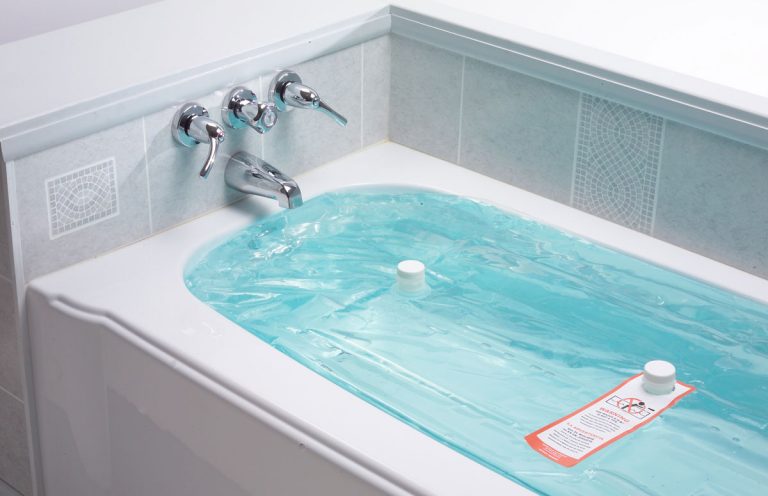
I am not saying these responses are always wrong. Geography, etc. has an input into your plan which is a pre-written plan. If you are hundreds of miles from cities then your response might be different especially if you have large volumes of water stored. What I am saying is get moving early and start using the Water Bob, the clean rain barrels from storage within minutes of any alert that normal no longer might exist. Finding out what has happened is a secondary concern to preparing to survive. Who cares if Russia has attacked the USA or if it was a terrorist bomb? Listen to your gut not to CNN.
Even worse is leaving the home to collect wife (or husband) and kids. During the opening hour you have to prepare the home for a possible prolonged end of normal life. The wife (or husband) and kids have a plan and they will use it. It might be to hunker down and wait for you knowing it might be a day or two or come home immediately but they know it and you know it. Fight the very human desire to gather the loved ones immediately at the time of crisis unless is your plan and they know it. If you (or they) are at home then the preparing of the home is the best thing you can do for them in the opening hour. You have no idea how long the water or electricity will last.
Obviously if your children are young you need a plan to collect them but do you need to go immediately? If yes, then go. But the decision is a logical one not an emotional one. Emotional reactions to sudden shocks often lead to faulty decision-making. It might be best to protect your food and water supplies while the electricity and water remain on before heading out to collect your child from school. An hour or two’s delay in setting out means they get to eat and drink for sure.
If it is a temporary thing you have at worst wasted the water bob and will have to buy a new one (people say you can reuse it but I am not sure water safety is worth the risk). Other things you may consider doing during the first hour is nailing tarps over your raised garden beds and moving supplies into the house or bug out vehicle. What you do not want to be doing is chatting to neighbors or wasting time trying to get information. Something bad seems to have happened so deal with it. How much you know about it is a human desire but preparing is the essential thing in the first hour.
SHTF Happens and you are on the Road
This is the hardest of all situations to experience sudden SHTF yet it is the most common one in society. Motor Vehicle Collisions (they are not ‘accidents’) kill and maim many people each and every day. Plan for this in advance and have a seat belt cutter stored.
However in a sudden SHTF of major local, national, or international scope what is your plan if you are in the vehicle? If the vehicle works get fuel as soon as possible and buy food and water in the first gas station you see using cash but only if it is safe and uncrowded. Then get home or to the preplanned bug out location using the vehicle. Do not delay at all. In sudden SHTF people literally drive miles in one direction, usually to collect family, and then end up being directed the opposite way by Police. When they finally get home it is burned down or looted. As ever everyone in your family know to stay in place or come home in an SHTF and when to do so. You are not their savior. Your role is to trust them and the written and discussed plan. Get home or to the bug out location and get busy.
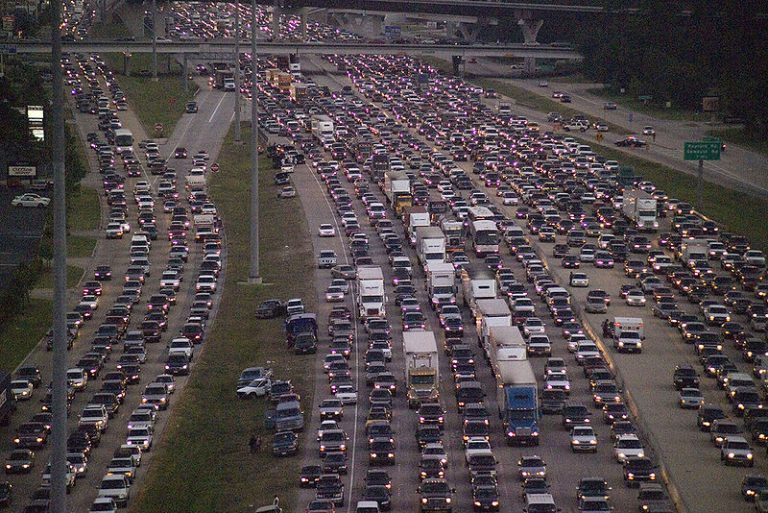
Some SHTF scenarios will see the vehicle fail or be blocked in its progress. Abandon the vehicle immediately gathering all useful supplies and get moving away from people and towards home or the bug out location. Drive alternative routes if possible but a vehicle is not going to last long in a major SHTF so try not to be attached to it! Again chatting to people, trying their phones, and wondering what is going on is pointless. It is bad and that is all you need to know. Use the sides of highways to move away from the groups of scared, annoyed, and confused people on the road. No need to walk up the exit ramps as you have the physical ability to use less usual routes. You always have a paper map however basic and a get home bag in the car.
Transit by boat, plane, or train in a sudden SHTF is problematic. In your Golden Hour gather supplies, learn exits, and start thinking how best to get out and home. Water in train, boat, and plane washrooms is not drinkable but empty a recycling bin and fill up those bottles with it. You should have a few water purification tablets on you at all times. Do not bother washing out those bottles. People are not really that infectious (this advice is NOT to be followed in a pandemic) and you can easily get 10 liters or more of okay water stored up in the first few minutes of the SHTF while everyone else is shouting into dead phones. By Day Two you will be very happy you did this in those first few minutes.
As a rule I never travel by boat other than short ferry rides and I cannot see a good outcome in SHTF on a cruise ship but if you cruise at least carry your own flotation vests and survival kit.
Experiencing a sudden and dreadful SHTF on a plane might be interesting. If it falls out of the sky then all the prepping you have done will hopefully be used by your loved ones. However diversion and being kept in an airport is more likely in a sudden SHTF. Carry cash in large amounts and try to carry some cash that can be used in the countries you are flying over or near. If the power is on and you can use credit cards to immediately start an alternative route home. In 9-11 people were stuck in Canada for up to four days when they could have got home via train and bus if they had started immediately. A few hours later and there were no seats available! If a small nuclear war is the cause of air travel suspension imagine how long you might be stuck somewhere and how likely is it you will be well treated?
If a SHTF is likely I’d advise you to call sick and stay at home even if you have a cruise booked but SHTF can happen with almost no warning and what you do immediately can make or break your survival chances.
SHTF Happens and you are at Work, School, or the Mall
Ideally using your preplanned route(s) and get home bag you will immediately start home. If the car park is a mess or the car will not work immediately abandon it after getting the supplies. In a sudden and serious SHTF roads and car parks likely will be both slower than walking and less safe.

If it is a chemical or nuclear SHTF you might need to shelter in place. Know where the washrooms are especially those deep in the building and infrequently used. If mushroom clouds bloom on the horizon people will mainly rush to their cars and attempt to flee home not that home is a magically safe place. Go to the nearest couple of recycling bins, open them, and carry the trash bags loaded with cans and bottles to the washroom (preferably one on a lower level). Dump them out and start filling them with tap water. Don’t bother cleaning them out. Try to get 50 litres or more. Do this immediately and you can store up 4 weeks’ worth in minutes. Store it in a cubical, lock it, and climb out. At this point try to buy food as you head for the car but do not if it will take time. At the car grab everything useful and back to the washroom. Bunker in and trust your loved ones are similarly safe.
It is unlikely people will use the washrooms in Malls and schools in these scenarios especially those out-of-the-way ones. If they do all your stuff is in a locked cubical. Food and warmth are not the priority in the Golden Hour but water and security are. Consider breaking all the lights in your washroom after securing the water and jamming the door. Consider breaking all the lights in the corridor outside and pulling stuff into it. Initially people will not take hard routes.
Looting supplies is reasonable once people have gone and Security has left. Before then the chances of getting into trouble makes it not worth the risk. Most fast food places have the food (such as it is) in the back. Mall, workplace, and School offices have lockers and many will have something to eat inside if you take your time looking through them. At work know who keeps food at their desks (you do I hope!). Most people will grab their keys and bags and flee towards home leaving behind a lot of food and useful items.
Many people think about using coins to raid vending machines. Maybe this is a good idea but water is from the washroom taps and the recycling bins and lining up slowly buying chocolate bars might make you a target. In a sudden SHTF it is more than likely you can use your small crow bar from your get home bag to access the vending machines the next day. You are going to be sitting in dark for at least a week but I’d try to do this for four weeks. Then you go home. Radiation will hopefully not kill you in four weeks but likely will the first day.
Many places have drapes and carpets that you can cut up to make sleeping ‘bags’ and this is the sort of re-purposing you need to do in SHTF. Keep active and do whatever you need to do to optimize your survival chances.
The hardest part is not fleeing but thinking, planning, and acting. Prepping is a state of mind as much as anything and I hope this article gets you thinking a bit. Much of it is arguable so please argue!
 SURVIVAL BLOG