HERE IS YOUR CHANCE. WE HAVE THE UNIVERSAL DECLARATION OF HUMAN RIGHTS

NOW IS THE TIME TO WRITE A CONSTITUTION FOR THE PLANET THAT WE ALL LIVE ON – THE EARTH.

We can observe our Planet from space, but many of us are still not able to see it as a unique and precious miracle of life.

Why a Constitution?

Because most of the declarations like the universal declaration of human rights or the US constitution do not, constitute viable instructions for change: they are rather moral discussion papers, containing much wishful thinking, or a list of flaws people are perceived to commit in their relation to Nature.

Because neither human beings nor culture is independent self-sufficient existences – they are dependent on the Earth.

Only the Earth can be thought of as a relatively independent existence within the Universe.

They depend on the health and prosperity of the biotic assembly that constitutes our Planet.

Because there will be no exit strategy without a healthy Earth.

The relationship between man and Earth up to now has been exploited for profit.

All noble sentiments and efforts to understand and resolve the current crisis while ignoring the splitting of the planet into two opposing systems – Culture and Nature – are doomed to failure.

The currently prevailing anthropocentric vision of the world is incorrect, not only in its details and in its specific arguments, but also in its deepest underlying principles – in short, in its entirety.

Culture is not a continuation of natural evolution by different means.

Culture is an artificial system opposing Nature.

If it were set as Nature is in biophilia, life-reverencing format, then Culture’s self-activity would grow in a desirable way.

Culture would respect Nature and both systems would co-operate at a new level.


Our world is not only surrounded by junk it is full of junk.

———————————————————————————————-

HERE: IS A DRAFT EARTH’S CONSTITUTION.

Feel free to add.

Article I

The Earth

  1. The Earth is the natural home to all of its interdependent live beings. It cannot belong to any biological species, not even to the human species. Humans, the founders of Culture, must not ravage the Earth to the detriment of themselves or of any other living beings.
  2. The Earth represents the highest value for both our species and for human Culture. It constitutes the oldest, broadest and most powerful creative activity, the unique planetary subjectivity. We have to defend its right to evolution, and its right to maintain a planet-wide balance between animate and inanimate systems.
  3. Our Culture must not expand further, neither at the expense of the natural diversity of the planet nor at the expense of human health.
  4. As a system superordinate both to humans and to their artificial Culture, the Earth is sovereign and our elected and controlled institutions must become its defenders and advocates.
  5. We commit ourselves to halting the decline, destruction, and pollution of Earth’s natural existence and, to that effect, also to advancing the recognition of a system of human responsibility, including effective and deterrent sanctions against those who fail to respect this Constitution.

Article II

Humans

  1. Human beings are not the immediate cause of the current environmental crisis. The root cause of the crisis is the systemic conflict between the artificial cultural orderliness and the natural orderliness of the Earth.
  2. Humanity is not responsible for the Earth. It is responsible for Culture, its product, which has divided the Earth into two mutually opposing systems: the Cultural and the Natural. It is the paramount task of law, politics, and science in the coming period of life-reverencing – biophilia – Culture to reconcile Culture with Nature.
  3. The human species subjectivity is restricted by the superior subjectivity of the Earth. All persons and government authorities are obliged to respect this wider subjectivity, protect the diversity and unity of the biosphere and sparingly use the inanimate products of the Earth.
  4. We hereby declare that the human species can only be biologically congruent with natural existence – not with artificial cultural existence. We acknowledge that anything that is good for the Earth is good for human beings as well.
  5. All legal systems must protect and enforce the natural orderliness of the Earth.

Article III

Culture

  1. Culture is an artificial system with its own internal, intrinsic information, and that is intellectual culture. A change in the orientation and contents of the intellectual culture, including values, knowledge, and precepts, is a prerequisite of the biophilia transformation of Culture.
  2. Culture, which is a human creation, is neither a continuation of the evolution of Nature nor a process in its improvement. It is an artificial and temporary construct, which is dependent on mass, energy, and information coming from Nature. It is a structure incongruent with the biological structure of human beings and it will cease to exist after the demise of humankind.
  3. The Culture system’s growth marginalizes and exterminates live systems and breaks up the natural structures of the Earth. Should the evolution of the Culture system’s continue, it must abandon the predatory orientation and adopt a position of a humble integration into the superior evolution of our planet.
  4. It has been political entities – States – that have made the ravaging of Nature possible, since these States have, directly or indirectly, supported the development of the predatory entrepreneurship and unrestricted extension of both materials- and energy-intensive consumer techniques. These States, therefore, bear the main responsibility for the current crisis of civilization.
  5. All States must be obliged to take steps towards a state of sustainable co-operation between Culture and the Earth. They are charged with the task of changing the predatory spiritual paradigm of Culture, starting the process of adopting biophile laws and spreading knowledge about the need for reconciliation between Culture and Nature.

Article 1V

Technology.

1. New innovations and uses of technology will be an active and integral part of the
international development story going forward. Developing a deeper understanding of how technology can impact development will better prepare everyone for the future, and help all of us drive it in new and positive directions.

2. The link between technology and governance is critical to consider in a better
understanding of how technology could be developed and deployed. The distinction between “developed” and “developing” nations should no longer apply.

3. Strong global cooperation on a range of issues drives technological
breakthroughs that combat disease, climate change, and energy shortages.

4. Governance, in turn, will play a major role in determining what technologies
are developed and who those technologies are intended, and able, to benefit.

5. Transparency allows states to glean insights from massive datasets to vastly improve the management and allocation of financial and environmental resources.

6. All technology must carry a world-recognized seal of safety verifying the authenticity of anything.

——————————————————————————————-

But no one was prepared for a world in which large-scale catastrophes would occur with such breathtaking frequency. Not surprisingly, the coronavirus pandemic has put enormous pressure on an already overstressed global economy.

Most nation-states could no longer afford their locked-in costs, let alone respond to increased citizen demands for more security, more healthcare coverage, more social programs and services, and more infrastructure repair.

So yes I can hear you saying this will never happen.

How would such a constitution be ratified, by who, at what cost, who will pay?

It can be ratified in the United Nations, passed at the next global climate summit, the cost of not doing so outweighs any alternative, and it can be paid for fairly by placing a world aid commission on all activities that are for-profit sake. ( see the previous post on world aid commission)

As you have seen, each of the scenarios, if it were to unfold, would call for different strategies and have different implications for how a range of organizations will work and relate to changes in technology. But no matter what the world might emerge, there are real choices to be made about what areas and goals to address and how to drive success toward particular objectives.

“Biodiversity is the totality of all inherited variation in the life forms of Earth, of which we are one species. We study and save it to our great benefit. We ignore and degrade it to our great peril.” Wilson, Edward O.
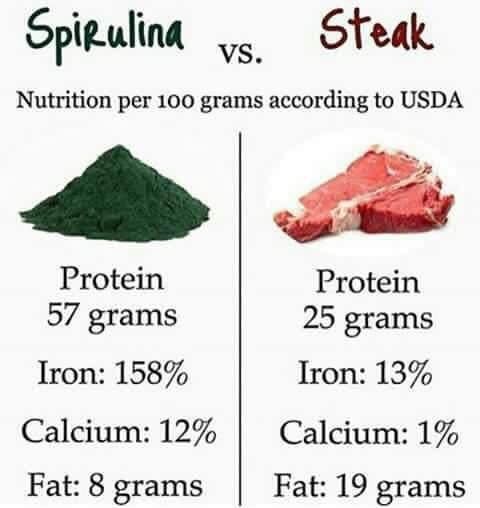
Spirulina: An Extraordinary Food Source During Famines

As food shortages would most likely be widespread, it would be – without question – vital to have nutritionally dense food like this available. Let me explain why keeping a supply of spirulina on hand is wise.

In 1974, the United Nations declared spirulina “the best food for the future” at its World Food Conference. That was over 40 years ago, and spirulina has more than lived up to this claim. Research has revealed the immense nutritional and health benefits of this amazing superfood.

It also proves that great things can come in very small packages. Spirulina is a type of microscopic bacteria known as blue-green algae. The term “algae” refers to a diverse group of aquatic organisms that are capable of producing oxygen through photosynthesis.

Spirulina naturally grows in warm, alkaline lakes. Ancient Aztecs used to harvest spirulina from lagoons around what is now Lake Texcoco in Mexico. Today, the Kanembu people who live along the banks of Lake Chad in Africa still harvest spirulina from the lake as they have for centuries. They dry it into cakes, which are then crumbled and included in the majority of their meals.

Compared to other foods by weight, spirulina is one of the most nutritious foods on the planet[1]. It’s high in protein and contains all essential amino acids. Spirulina is also high in B vitamins, iron, magnesium, potassium, and a wide range of other vitamins, minerals, and antioxidants. As spirulina is a very simple organism, the proteins and nutrients are easily digested and absorbed.

Spirulina is such an important food source that various international organizations, such as IIMSAM[2], have formed to help establish small-scale spirulina production in impoverished communities throughout the world. These small spirulina producers have made tremendous advances in combating malnutrition and promoting local food security.

The ecological footprint of spirulina is also relatively small. As spirulina grows in water, it doesn’t require any fertile land. It doesn’t even need much water because the water it grows in can be reused. As the UN predicted in 1974, spirulina truly is the food we need in today’s world.

Conditions Spirulina Can Remedy

Research is also discovering that spirulina has a wide range of health benefits. In fact, the World Health Organization predicts that spirulina will become one of the most curative and prophylactic foods of the twenty-first century.

Spirulina’s nutritional density may actually be the secret behind its health-boosting effects. A strong immune system is the foundation of good health. Yet, many of us suffer from a range of nutritional deficits that we may not be aware of. And these deficits are known to impair your immune function.

Malnutrition in some form affects almost 11% of the entire earth’s population[3]. And it’s not only in lower-income countries. According to the Child Welfare League of America, more than 30 million Americans[4] experience hunger regularly, or are at risk of going hungry.

Also, not having enough food isn’t the only problem. As we eat increasingly more processed foods, we’re often consuming foods that are high in calories, but lack essential vitamins, minerals, and other nutrients. This is called “hidden hunger”, and it’s estimated to affect up to 85% of Americans[5].

A 2016 scientific review[6] concluded that “spirulina can be used as a source for alleviating hidden hunger or micronutrient deficiencies”. Eating as little as one gram of spirulina per day is proven to correct malnutrition in a small child[7] in a few weeks. And international spirulina supplementation programs have helped rehabilitate many malnourished adults affected by HIV/AIDS with only two grams of spirulina per day.

In addition, research suggests spirulina can help prevent or treat many different conditions, including:

  • Age-related Brain Degeneration
  • Anemia
  • Cancer
  • Diabetes and Pre-diabetes
  • Fibromyalgia
  • Hay Fever
  • Heavy Metal Toxicity
  • Herpes
  • High Blood Pressure
  • High Cholesterol
  • HIV Infection
  • Inflammation
  • Malnutrition
  • Obesity

How to Grow Spirulina

As mentioned above, spirulina is a type of algae that grows in water. But don’t let that put you off. Growing spirulina is actually quite a straightforward process that’s used successfully by many families and small growers throughout the world.

And considering the outstanding nutritional and health benefits of spirulina, it’s well worth learning how to grow this superfood. You can buy spirulina supplements and powders, but spirulina loses some of its nutritional properties during the commercial dehydration process. In addition, a study[8] that compared fresh and dried spirulina found that fresh spirulina has more bioactive compounds, which makes it easier to digest and absorb.

Commercial spirulina may also be grown overseas in open ponds, where contamination with heavy metals and other pollutants is common. In fact, a Chinese study[9] found that 95% of spirulina supplements in the country contained serious liver toxins known as microsystins. For this reason, the Medical Center at the University of Maryland recommends that you always check the source of any spirulina supplements you buy.

You can easily avoid these risks by growing your own spirulina. You’ll ensure a safe, sustainable supply of this amazing food source for years to come.

Microsoft Employee Literally Wrote Washington’s Facial Recognition Law

Plus, live facial recognition updates and the week’s A.I. research

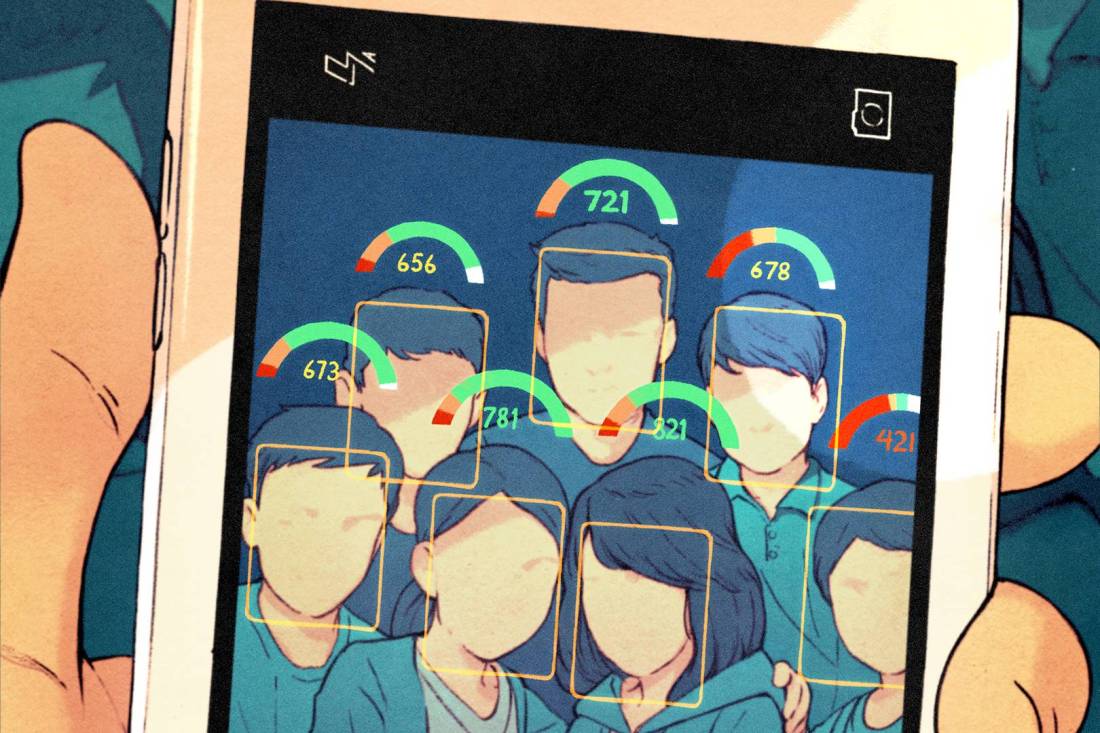
Tuesday should have been a win for privacy advocates. Washington state signed SB 6280 into law, making it the first state in the country to pass a facial recognition bill, which outlines how the government can and cannot use the technology.

But a closer look reveals the bill’s flaws. The law does little to curtail government use of facial recognition, instead setting up basic transparency and accountability mechanisms for when the state does decide to deploy dystopian real-time surveillance.

The bill has little impact on the commercial development or sale of facial recognition technology. The bill doesn’t limit sales to law enforcement, or even hold companies responsible for the outcomes of their algorithms.

The bill was sponsored by State Senator Joe Nguyen, who is currently employed as a program manager by Microsoft

It’s no surprise then that the bill was championed by Microsoft in public and behind closed doors. In fact, the bill was literally sponsored by State Senator Joe Nguyen, who is currently employed as a program manager by Microsoft.

I’m not a fan of the phrase “Let that sink in,” but you really do have to take a minute and think about that one.

The ACLU of Washington wrote a strong rebuttal of the law, which is set to take effect in July, saying that anything short of a facial recognition ban will not safeguard civil liberties.

“Alternative regulations supported by big tech companies and opposed by impacted communities do not provide adequate protections — in fact, they threaten to legitimize the infrastructural expansion of powerful face surveillance technology,” ACLU project manager Jennifer Lee wrote. “This is why we strongly opposed SB 6280, which purports to put safeguards around the use of facial recognition technology but does just the opposite.”

The transparency and accountability measures are better than nothing. The new law requires state and local government agencies to alert the public about what facial recognition algorithms they are buying, and train its staff adequately to use the technology. Companies selling the technology to the government now need to open their algorithms to independent testing. State or local prosecutors relying on facial recognition must tell defendants that before the trial.

But when it comes to real-time surveillance, the new law says police must now get a warrant except in the broad case of “exigent circumstances,” enshrining the capability of real-time facial recognition in the state legislature.

In other facial recognition news, Wolfcom, which, as revealed by OneZero, is testing live facial recognition in police body cameras, recently spoke with Government Technology about its new tech.

“People are always afraid of something new, but there’s no stopping technology. We can either ignore it and other people develop it, or we can understand it’s here to stay … and try to steer its path toward the force of good, ” Wolfcom CEO Peter Onruang said.

Onruang said concerns about constant police surveillance were overblown.

“I know there are fears out there that people will get shot for facial recognition. That’s not what it will be designed for … It’s only meant to help an officer realize there’s a possibility (they’re interacting with a wanted or missing person),” he said.

Thankfully, no technology has ever been used for something other than what it was designed for.

And now, the best part: Let’s take a look at some new A.I. research from this week.

Evading Deepfake-Image Detectors with White- and Black-Box Attacks

Detecting deepfakes and other synthetic media will always be a cat and mouse game. Here, researchers show that it’s possible to fool “deepfake detectors” with fake images.

Physically Realizable Adversarial Examples for LiDAR Object Detection

Uber’s self-driving car unit has found that algorithms analyzing 3D lidar data can be tricked into missing objects around them. That also means a car relying on lidar to see other cars on the road can be fooled into catastrophic accidents.

Future Video Synthesis with Object Motion Prediction

This paper seemingly gives self-driving cars the ability to predict the future, by analyzing the movement of objects around them and trying to guess their trajectory.

PIFuHD: Multi-Level Pixel-Aligned Implicit Function for High-Resolution 3D Human Digitization

Facebook is researching the ability to create highly detailed 3D models of people from just a single image. The obvious use case is in Facebook’s virtual reality software for its Oculus headsets.

Recognizing Characters in Art History Using Deep Learning

Computer scientists and art historians try to build a deep learning algorithm that can find popular Christian iconography, like Mary and Gabriel, in thousands of historical works of art.

Your Most Paranoid Pandemic Election Questions, Answered

If the 2020 election is canceled, a Vermont senator (no, not that one) could become president

Can the presidential election be canceled?

No, it can’t. The terms of federal elected officials are set by the Constitution. Trump’s term ends on January 20, 2021. Extending it would require two-thirds of both the House and the Senate to support such an amendment and then having three-fourths of the state legislatures ratify it. That is not happening.

Can it be postponed?

Almost certainly not.

But are there any weird loopholes?

The language actually doesn’t provide for a popular vote. It states, “The electors of President and Vice President shall be appointed, in each State, on the Tuesday next after the first Monday in November, in every fourth year succeeding every election of a President and Vice President.” While the Constitution provided for a popular vote for the House in its original text and for the Senate in the 17th Amendment, it still doesn’t do so for the election of presidential electors.

Back to Planet Earth, if a general election can’t be canceled, can a primary election be canceled?

Yes. Primary elections are administered by each state and subject to state law. More than a dozen states and territories so far have formally delayed primary elections.

Do polling places present health hazards?

Yes. Abdul El-Sayed, former health officer for the City of Detroit and author of the forthcoming book Healing Politics, told GEN in mid-March that there are “real risks” from “having people wait in line… and constantly touching the same [surfaces].” While it might be possible to mitigate some of the risks with in-person voting, “the overhead would be extreme,” he said. Instead, El-Sayed suggested voting by mail as a far safer alternative.

Is voting by mail safer?

Yes, it is. El-Sayed, who mounted an unsuccessful campaign to be governor of Michigan in 2018, noted while mail-in voting does pose risks, those can be mitigated. “You could create a vote-by-mail system once we understand a little bit more about the survivability of the virus that could, in effect, quarantine the envelope for that period of time,” he said. El-Sayed added that if he was an official responsible for elections, he would be asking himself, “How do I move my state to a vote-by-mail scenario ASAP? And then how do I figure out a system to mass-fumigate returned ballots and be counting that way?”

So, should everything in November go to vote by mail?

Not necessarily. While voting by mail presents public health advantages, there are still other significant issues with it. The only actual major voter fraud in recent political history involved a Republican operative in 2018 harvesting absentee ballots in a congressional election that had to be rerun. Further, sending a ballot to every voter can create confusion, particularly with older voters who are used to showing up to the polls on Election Day.

The Science Behind Coronavirus Testing, and Where the U.S. Went Wrong

To detect a virus, we just have to look for its instruction manual.

How does the coronavirus test work?

To answer these questions, let’s first consider the culprit the test aims to detect: the virus itself. Viruses, at their core, are surprisingly simple entities: capsules with machinery to penetrate a cell, containing genetic information with instructions to make more viruses. Once a virus enters a cell, the instructions are read and more viral parts are made and assembled. Newly made viruses have mechanisms to escape their host cells and, in the case of coronavirus, travel further down the respiratory tract, eventually reaching the lung cells. When infected, lung cells can no longer perform their normal jobs, leading to the respiratory symptoms of Covid-19 (the disease caused by the novel coronavirus).

The novel coronavirus enters and multiplies inside our cells

The coronavirus test is relatively simple, and operationally the same in every country.

(To be totally accurate, coronavirus is actually an RNA virus. RNA is similar to DNA, but this method looks a little different in practice and is referred to as RT-PCR. The outcome is the same: Many, many copies of the DNA are made from the viral RNA instructions.)

If the test is so simple, why is the U.S. having trouble getting it to work?

The U.S. initially mandated the use of CDC-developed test kits for all coronavirus testing, but labs reportedly had trouble getting them to work. The CDC was criticized for not using test kits developed in Germany, which were successfully detecting coronavirus around the world and were backed by WHO. U.S. labs responded by developing their own tests, and in some cases reporting quicker turnaround of results. This prompts the question: What are the differences between these tests and why do some work better than others?

Most molecular biology labs can develop such a test in a week or two, but those who have done so have come against another major hurdle: FDA regulations.

Choosing primers for any PCR experiment turns out to be tricky and sometimes unpredictable. Primers are just short pieces of DNA themselves, and some DNA has a tendency to fold in on itself, creating a “hairpin” structure which inhibits PCR. (This is a bit like the matching letters in a palindrome finding one another). These “palindrome” primers can produce a false negative — an infected patient whose sample appears to lack the virus. Alternatively, the primers can work just fine to make copies of coronavirus RNA, but might also be capable of copying some part of human DNA. Because patient samples (most often nasal swabs) contain both viral particles and human cells, these primers can produce a false positive — an uninfected individual testing positive for the virus. Other potential sources of RT-PCR failure are temperature issues, low primer or sample concentration, and contamination, among others.

How a coronavirus test can fail. A “palindrome” primer can cause a false negative. Primers which can recognize human DNA can lead to a false positive.

Federal regulations complicate in-house testing

Before we get into the weeds here, it is important to remind ourselves why FDA regulations exist: to protect the consumer — us — from being given incorrect medical information. Typically, there is regulatory oversight both of the laboratories where clinical tests are performed and of the tests themselves (though as this article points out, prior to this outbreak, FDA oversight of clinical tests under the current administration has been alarmingly slim).

Massive supply shortages require creative solutions

Labs that manage to get proper certification to run clinical testing face another hurdle: a massive shortage of supplies. Patient samples are most commonly collected as nasal swabs, and before RT-PCR, viral RNA must be separated from mucous, human cells, and other debris. Commercially available RNA extraction kits are by far the quickest and safest way to process many samples at once, but unsurprisingly, demand has quickly outpaced supply, forcing testing labs to seek donations locally via social media.

Will drive-thru & at-home testing help?

First, let’s clear up some confusion here. When it comes to coronavirus testing, “drive-thru” and “at-home” do not describe the test itself, which requires training and specialized equipment. These terms refer instead to how and where nasal swabs are collected. Though these strategies may not substantially increase the speed of testing, there may be immense public health benefits to performing sample collection via mail or a drive-thru point. Why? Because those who fear they are ill need not travel to a clinic, risking infecting others while there or in transit. Plans to implement at-home sample collection are already in progress, and drive-thru testing is already available for UW Medicine patients and staff. But regulatory hurdles exist in this domain as well. To process at-home tests, labs must provide substantial evidence that these samples are reliable relative to those collected by trained individuals, further hampering labs’ ability to quickly roll out these operations.

Where do we go from here?

The challenges outlined here all converge around one conclusion: The U.S. was completely unprepared for a public health emergency of this scale. South Korea revamped its emergency preparedness plans after the MERS outbreak of 2015, recognizing that early detection and isolation were effective to mitigate an outbreak, and putting resources and procedures into place which could be mobilized quickly.

A List of Research Questions As A Way Of Kick-Starting A Social Research Agenda For A COVID And Post-COVID World

The coronavirus (COVID-19) pandemic has erupted, affecting all regions of the world, and the news media are dominated by reporting developments and effects. At the time of writing, tens of thousands of lives have already been lost worldwide, and many healthcare systems are straining under the burden of caring for unprecedented numbers of seriously ill patients with pneumonia. Everyday lives have been disrupted: schools and workplaces are closed, many people have lost their jobs, vast populations have been confined to their homes, people are cut-off from face-to-face interactions and worried about their own health or those of their family members.

Bearing all these issues in mind, below I have come up with a list of research questions as a way of kick-starting a social research agenda for a COVID and post-COVID world. (Please note the important caveat that these are only my initial thoughts based on the current situation in these early months of the pandemic where conditions are rapidly changing.) Researching these topics will generate better understandings not only of the current social impact of COVID, but also continuing or new impacts into the future. Findings will have immediate and long-term applications for contributing to policy and service delivery and development to better support publics as they deal with and recover from the myriad challenges they are experiencing to their ways of life and health status. They will also offer ways forward for how to deal with and manage new large-scale health crises in ethical and effective ways.

Key social research questions

· What are the situated responses of government agencies and healthcare organisations to the pandemic, and how do these differ between countries? Which agencies and organisations have been most effective in countering the spread of the COVID virus among their populations?

· How are people from diverse social groups and geospatial locations responding to the crisis? What are their lived experiences and social relationships as the pandemic’s effects continue to unfold and into the future of the post-COVID world? How do attributes such as location, age, gender, health or disability status, ethnicity/race, income, educational background, employment status, housing situation structure their experiences and wellbeing?

· Which individuals and social groups are the target of neglect, stigmatisation or marginalisation? How has this been recognised and dealt with (or ignored) in different socio-geographical-political environments?

· What were the rationales behind the widespread panic-buying that emptied supermarket shelves of essentials for weeks on end, and how can such responses be better managed in the future?

· How have people’s general wellbeing and mental health been affected by the current conditions of the crisis and into the future, and how can they be better and more ethically and effectively supported?

· How have family relationships been influenced by confinement to family homes for long periods, and what are the positive or negative consequences (e.g. increased risk of being a victim of family violence for women and children, post-natal women losing hands-on help with their new infants from extended family members)?

· How are children and young people coping with the disruption to their usual routines, education and social relationships, now and into the post-COVID future?

· What are the lived experiences of healthcare workers and other key support workers in dealing with the working conditions they are faced with, and what are the implications for their current and long-term health and wellbeing? How can they be supported now and into the future?

· What socioeconomic support systems offered by government and non-government agencies have best managed the crisis and how should they deal with support into the post-COVID future?

· How are digital technologies contributing to disseminating information — which are most helpful and useful for publics?

· What digital media and devices have been most helpful and useful for publics in dealing with physical isolation conditions?

· Which digital health technologies have been most effective and helpful for offering self-diagnosis and healthcare? What are the experiences of patients and healthcare workers in offering these mediated forms of diagnosis and care?

· What is the role played by novel digital technologies such as ‘smart’ devices, drones and automated decision-making software in health surveillance and diagnosis systems?

· How have educational and working-from-home arrangements been supported by digital technologies, and which have been most useful and helpful?

· How have the working practices of teachers at all levels of the education system (primary to tertiary) changed? What are the losses and gains for both students and teachers in moving to online teaching and learning?

· How will education and work systems change as a result in the post-COVID world?

· How have major internet companies as well as start-ups responded to the crisis?

· Which forms of grassroots organisation and networking have emerged and which are most helpful and effective for communities, now and into the future?

· How have more-than-human agents contributed to supporting people’s health and wellbeing in conditions where they have been forced to be physically distant from other people (e.g. companion animals, plants, natural landscapes, bodies of water)?

· What research methods can we use to understand the more-than-representational dimensions of people’s lived experiences (their affective and sensory responses, experiences of space and place)?

· What social and cultural theories can help us understand the COVID and post-COVID worlds?

Let’s get started!

The United States would be in the deathgrip of a pandemic and on the brink of a prolonged economic recession

Last New Year’s Day—a mere three months ago—few could have imagined that by this date the United States would be in the deathgrip of a pandemic and on the brink of a prolonged economic recession. The nation’s sudden envelopment into this two-fold crisis has left politicians and policy-makers scrambling just to make sense of events, let alone to make the life-and-death decisions that fall to them. Given the sheer scale and complexity of the crisis, it is not surprising that public officials should struggle to find answers. At a minimum, however, they need to ask the right questions, especially about what they do not know, which is a great deal more than most would care to admit.

In recent days, a few public officials, including President Trump, have suggested that the current efforts to mitigate the impact of the coronavirus outbreak—social distancing and public closures—should be curtailed earlier than public health experts, including the president’s own advisors, think is prudent. It is clear that the virtual lockdown of the country is causing vast economic damage. It is also true that recessions and economic hardship have life-and-death consequences, often resulting in higher rates of suicide, domestic violence and substance abuse.

We do not know, for example, whether the official number of deaths in the United States will be 10,000, 80,000 or more.

It is understandable, then, that people are asking whether the coronavirus mitigation measures are doing more harm than good. These discussions usually take the form of comparing an unknown data point (i.e., the number of avoidable deaths Covid-19 will cause) against another unknown data point, which is assumed to be worse (i.e., a second Great Depression), or against a known, unarguable good (i.e., economic growth).

As for the first unknown, the number of avoidable deaths, we do know something—namely, that there will be many such deaths and each involves a profound human tragedy. We also know that the epidemiological models have large confidence intervals, meaning that the actual number of avoidable deaths is projected to fall within a very large range. We do not know, for example, whether the official number of deaths in the United States will be 10,000, 80,000 or more.

The reason the confidence intervals are so large is because we have terribly insufficient data, due in large part to the inadequate availability of testing. The federal government has badly bungled its response. The effects of ongoing, systematic underinvestment in the nation’s public health infrastructure were made worse by a president who spent the first weeks of this impending crisis behaving as though the number of cases would remain low. Mr. Trump downplayed the threat, and a federal bureaucracy unaccustomed to using its own power (including marshaling and coordinating private-sector forces) failed to efficiently address problems that affect the common good.

It is impossible to make good prudential decisions about completely unknown risks.

If U.S. officials had prepared for the coronavirus landfall by building up effective testing capacity, the nation would have been better able to enter into the required calculus. Perhaps the United States would have been able to mount a response similar to that of South Korea—isolating and contact-tracing known infected individuals instead of quarantining the whole population. This would permit public officials to accurately compare a more narrowly modeled epidemiological risk against the economic risk. As of now, we do not know enough to make that comparison.

These process failures have left Americans to debate ethical tradeoffs for which we lack the information to make good prudential decisions. It is impossible to make good prudential decisions about completely unknown risks, and it is a catastrophic failure of imagination and moral responsibility to act as if we are unable to learn what we need to know to make a better decision.

Making decisions such as these necessarily involves risk assessments and weighing different possible outcomes. But such decision-making must not descend into a strict arithmetical calculation that values human life as merely one material good among many. The inherent worth and dignity of human life are immeasurable.

We know there are many people who know more than the rest of us. We should listen to them. Experts can be overrated and can surely make mistakes, but in a public health emergency, prudence dictates both following their advice and doing what is possible to improve the data they are using to provide it.

And their nearly unanimous advice is clear: As Dr. Anthony Fauci told CNN on March 26: “When the numbers are going up, that’s no time to pull back. That’s when you have to hunker down and mitigate, mitigate, mitigate—get the people taken care of, that’s what you have to concentrate on.”

A crisis is not coming. It is already here, and it will be as defining a moment in the history of the United States as the Great Depression and Civil War

The Factors that Led to the Great Depression of the 1930s Had a Lot in Common with Today’s Economy, but That Depression Was Very Different.

The coronavirus or COVID19 has affected all aspects of our lives and most notably has affected the stock market. While the stock market is not always an indicator of overall economic health for an one way or the other, it’s the canary in the coal mine that reflects important economic factors.

What is worth watching is the effect COVID19 has on all factors affecting the economy, not only in the U.S. but globally. Certain impacts lead to a recession, and if those impacts are long-term, economies fall into what is described as a depression.

What is a Depression?

The term “economic depression” does not have a formal definition. Traditionally, it has been described as an extended and severe recession. Not surprisingly, recessions and depressions are never announced immediately.

It’s not until some key factors continue in a certain way over a period of time that economists reluctantly declare that a recession is occurring, and much later surrender to the realities of a depression.

What is a Recession?

Unlike a depression, a recession has a formal definition: “Two consecutive quarters of shrinking GDP.”

GDP stands for gross domestic product. It represents everything we produce over a specific period. Coming out of 2019, U.S. GDP growth stood at 2.3% in the last quarter. In the first quarter of 2020, it’s currently running at 1.6%. If the second quarter of 2020 sees a reduction from 1.6% by the end of the quarter, it will fit the formal definition of a recession.

However, most economists will wait until the end of the third quarter of 2020 before they even think to declare a recession, while ignoring that a third quarter of falling GDP is the sign of a depression.

The Unemployment Factor

In addition to a consistent decline in GDP is a rise in unemployment. While job numbers have been rising as of late, the effect of COVID19 on numerous industries has already become apparent.

  • Professional sports venues across all sports have shut down their seasons and the jobs that accompany them in both stadiums and other peripheral suppliers.
  • Retailers are either closing or reducing their hours, particularly in clothing and general merchandise.
  • Restaurants and bars are closed in many parts of the U.S. for an unknown period of time.
  • Theaters, gyms, and other spaces and places where large groups of people gather in close contact are closing.
  • Cruise ship companies and many vacation resorts have shut down or closed for an unknown period of time.
  • Airlines have seen a dramatic falloff of up to 50% and will all be bankrupt by the end of May if nothing changes.
  • Tourist destinations in the U.S. are either closing or seeing a rapid decline.

As a result, 18% of U.S. workers have already lost jobs or hours since the impact of coronavirus hit about a week ago. 

As businesses and locations that combine large numbers of people for any length of time continue to close or reduce hours, the impact on employees for all of those businesses will grow. Some stopgap measures have been implemented by the federal government to cover loss of employment but for now that only averages two weeks.

What happens if the closures continue? The obvious answer is growing unemployment which was one of the primary causes of the Great Depression of the 1930s.

In a press conference on March 16th, President Trump stated that social distancing and the effects of COVID19 could extend well into the summer. He also stated that there is a possibility of a recession. That’s longer than two weeks for anyone receiving brief unemployment benefits.

What Happened in the 1930s?

Most people are unaware that the Great Depression actually consisted of two severe recessions. One lasted from 1929 to 1934 and the second lasted from 1937 to 1939. A variety of factors caused the recessions of the 1930s including poor government policies related to management of the money supply, banking, interest rates, and taxes.

Another factor was poor land management that led to the dust bowl and rampant unemployment across the farm states and foreclosures on homes and farms. To give you a point of reference, from 1929 to 1932, global GDP fell by about 15%. This was much more than the 1% decline during the Great Recession, which started in 2008.

Many policies and laws have been put into place to forestall some of the mistakes of the 1930s including better management of interest rates and the money supply by the Federal Reserve Banks, the creation of the FDIC to insure cash deposits in banks up to $250,000, lower taxes relative to the 1930s, and better land management practices.

All of these changes should forestall a depression, but the depression we may be facing will be more similar to what happened in Japan in the 1980s. It was driven by real estate and credit speculation and the deflation and falling wages that ensued have continued to this day.

The point is that there is no set formula for a recession and the driving factors can come from anywhere, including a pandemic.

A New Definition of Economic Depression

Based on the past patterns leading to recessions and eventual depressions worldwide, two factors have now been identified as indicators of a depression.

  1. GDP must shrink by at least 10% (total GDP contraction).
  2. The economic downturn must last longer than three years.

Other signals of a recessionary cycle leading to a depression include growing unemployment, foreclosures, falling wages, credit defaults, deflation, and reduced economic activity. And that last point brings us back around to COVID19.

Reduced Economic Activity

COVID19 is causing an abrupt economic shock that some economists think is more unnerving than the 2008 financial crash, which caused the worst downturn since the Great Depression.

Widespread closures and cancelations seem certain to lead to more losses and layoffs, already reflected in a stock market down 28% in less than a month. A manufacturing survey hit its lowest level since 2009 on March 16, a sign of things to come. “This feels much worse than 2008,” according to Harvard economist Jason Furman.

This all gets back to the fundamental feature of a depression: duration of the recession. If the necessary response to COVID19 continues to have the severe impacts currently indicated… a depression is inevitable.

10 Ways to Prepare for this Depression

You can, in fact, take control of the situation at least to some degree. Here are 10 things to do to prepare for an economic depression:

1. Pay off debt starting with credit cards. 

Eventually, you can move on to other debts. There’s no need to pay off your mortgage, but if you have paid all of your debts and want to make some principal payments, you can consider it, but only after you’ve taken the next step.

2. Shore up your emergency fund for at least 6 months of expenses.

In the event you are laid off, this fund can get you through. However, the standard recommendation is for a 6-month emergency fund even in the best of times. If you’re concerned, you can extend that to the time frame you’re most comfortable with.

3. Build your network, both professional and personal.

If you lose your job, your professional network can be the fastest path to new employment. Also, people need to help and support each other in desperate times, so a strong social network is a smart idea.

4. Learn to prepare food at home and how to can and store food. 

If restaurants continue to be closed for any length of time and you don’t know how to cook, now’s the time to learn. It also saves money and keeps you out of public restaurants. The ability to can and preserve foods is also a good skill and a cost saver.

5. Learn to shop wisely. Shop for sales and only buy what you need.

With many retailers closed or closing, shopping may not be the issue it once was but even then, shop wisely. If you need it, buy it. But ask yourself if you really need it.

6. Plant some food. Start a vegetable . Plant vegetables instead of flowers. 

To a large degree, we depend on imports of produce. If for any reason those imports are affected, the cost and availability of produce could increase significantly. Plant a garden and take a second look at those flower beds. You may be better off planting strawberry plants or vegetables rather than zinnias.

7. Learn to live below your means.

Again, only buy it if you need it. Here are five frugal tips that will save you some money.

8. Keep your car in good condition. Especially if it’s paid off.

A new car payment adds to the debt.

9. Buy classic style clothes, not the latest trend.

Now is the time to think functionally not fashionably.

10. Avoid aggressive investments.

The stock market is deceptive and unless you have a strong grasp of investment fundamentals, stay with the safe investments.

Monitor What’s Happening

What has been true about all past recessions and depressions is that economists and governments don’t announce them until they have become woefully obvious. At some point, they are likely to point back to March 2020 as the beginning of the depression.

Don’t allow yourself to be surprised. Consider the 10 steps listed above and keep a close eye on reports related to GDP and unemployment.

The stock market can be a fool’s game and a fool’s indicator of the underlying strengths or weaknesses in an economy. Statistics related to GDP and unemployment paint a more accurate picture. With any luck, the steps being taken worldwide will curb the pandemic.

Recent reports from Hong Kong indicate life is getting back to normal. How their economy or any other economy in the world recovers has yet to be seen.

A Pandemic That Scares The General Population Into Submission Can Act As Cover For Many Different Events. This may be the future of gun control in America and total government control?

If a pandemic were to get lose in the nation most people would look to government for answers and help but there are those that would stay as far away from the government as possible. These are the self sufficient people that government fears the most. They have the supplies and knowledge to stay alive when most others won’t and that is reason enough for the government to get them out of the way. They are potential impediments to total government control. So what might the feds do to eliminate this potential threat to their power?

The first thing needed is to identify these people and assess their potential threat to the government. That has been ongoing for several years now with doctors asking about firearms ownership and new regulations to get child protective services into homes to insure the safety of the children.

The second thing is to verify the location of the individuals home. After all, you cannot do anything to someone unless you can find them. This was done in part during the last census when workers recorded the GPS coordinates to individuals homes and it is said that the postal service now scans the front and back of letters to capture the addresses on them not only to tag your address but to see the location and identity of those you are in communication with.

Once you have the enemy identified you want to destroy, neutralize or suppress their abilities to work against you. This can be done in many ways. The ostracizing of the prepper community and the listing of preppers, veterans and Christians as domestic threats by fusion centers has forced these people to try to keep a low profile while they prepare for future events.

The final phase is to remove these people from society completely. That is where we are now. There must be some coordinated way to separate these people from their supplies and their support networks.

With a pandemic the government has the excuse to conduct wellness checks on individuals to assess their condition. This will be done under the cover of containing the virus. The reality is that once it goes nationwide, the virus cannot be contained and these wellness checks can be used to remove those that the government wants out of the way. After all, what citizen would complain about the government removing someone that can infect the community. If the government has to get violent, no one will say anything so it is a good time to remove people for other reasons as well.

The health officials will force entry into homes to check individuals and when someone with firearms and ample supplies is found they can be labeled as infected and removed to camps with the sick. In the beginning those that know what is going on will resist and probably shoot at government workers that try to break through self imposed quarantine zones around their homes. This will lead to workers being escorted by armed security that will be able to assault homes and force entry. This is the future of gun control in America. It is the only way they could hope to accomplish it.

After these well individuals are placed in sick camps they will suffer one of three fates. They will either contract the disease and die, contract the disease and survive or not get sick at all. Those that survive will likely be kept at the camp to care for the sick that continue to come in. A pandemic would require tens of thousands of workers to tend to the sick and there are not enough to do that at this time so this is a likely answer. These healthy people would become forced labor for the government. If you do not think this is a possibility you need to read some of the executive orders now in effect. The government can conscript anyone during an emergency and use them as forced labor for free. These free laborers are expendable while trained medical personnel are not.

If the government wishes to maintain some type of healthcare system in the nation they will likely divert infected persons away from hospitals so that those locations can maintain operations. It would be necessary to maintain operational hospitals for the government workers and those that serve them. If hospitals were overrun with plague victims it would decimate the medical staff and completely collapse the medical system. The medical workers that did not die would stop showing up to work in many cases as an act of self preservation. Doctors and nurses are highly trained people and you cannot replace them easily.

Those forced laborers that are left after the pandemic is over can be utilized or eliminated as the government wants and is a good way to get trouble makers out of the way. This may not be the plan but it makes some sense. Its what I might do if I were in charge and had a certain agenda in mind.

A pandemic that scares the general population into submission can act as cover for many different events. It can be cover for the economic collapse that will surely arrive one day, it can be used as a money maker for pharmaceutical companies, it can be used to consolidate power by the government or it could be used to reduce the population which is the stated goal of some in society.

This article is meant to make you ask questions, not to frighten you so here are some things to think about in the days to come. Why did Crucell develop an Ebola vaccine in 2006 and now hides the fact? Why is GSK rushing another potential vaccine into production that will likely be mandatory for the general population? Why does FEMA have contracts with foreign governments like Russia to provide manpower in the event of a disaster in America? Why do we have executive orders that can turn the population into virtual slave labor even in times of peace? Why does the CDC have thousands of coffins on hand? Why do we have UN vehicles being prepositioned around the country? Why have local police been militarized? Why are preppers, veterans and Christians being demonized by the government? Why does the FED continue to destroy the dollar knowing what it will do to the country? Why is our southern border left open? Why is the government reluctant to stop people from infected areas from coming into the U.S.?

This outbreak may fizzle out and become nothing but if this black swan lands, it could be a world changing event. If the government does come for you one day, the only thing you can do is not be there when they arrive. At this time there are more questions than answers and some of the answers are not very comforting. One thing that is certain is that we are living in interesting times. Only time will tell how this will end.


The Day the Coronavirus Came to Prison

In the days before he went into lockdown, John J. Lennon sent this dispatch from Sing Sing, on how the maximum-security prison was preparing for the inevitable arrival of COVID-19.

On the afternoon of March 14, in the conjugal compound at Sing Sing Correctional Facility, in New York, I was chilling out on the couch with my partner, coronavirus talk on the television in the background. The phone rang. It wasn’t count time, so I grew worried.

The voice on the line said to step outside, where the security superintendent was waiting. He told us that our conjugal weekend was cut short due to the COVID-19 pandemic. All visitations at prisons statewide were suspended until April 11.

Sing Sing was going into quarantine.

Our movement was limited. No gym. Hospital and commissary runs limited to groups of ten. Staggered seating in the mess hall.

Yet the measures appeared to roll out inconsistently. On Tuesday evening, I found as many as 150 guys gathered in the yard. Elbow bumps had replaced fist bumps and pound embraces, but all else appeared normal. They knew that wouldn’t last, and wondered why the corrections officers weren’t required to wear protective masks. That should be the priority, my peers reasoned, not preventing prisoners from getting a little fresh air.

We only later found out that while we’d talked in the yard, the Department of Corrections had confirmed that an employee at Sing Sing had tested positive for COVID-19. The virus had arrived.

The Hand Sanitizer

A couple of weeks ago, I woke up in my cell with a fever and chills. I was alarmed, like anyone feeling sick these days. I retraced my steps. A few days earlier, on line for the phone on our tier, I’d watched a fella who lives a few cells down from me talking and coughing, sloppy and phlegmy. He’d pulled a sock over the handset, an attempt to block his germs from coating the receiver.

I dropped a sick-call slip that night.

“Sick call leaving the block,” crackled a voice over the PA the next morning. I’d sweated out the bug overnight, but figured that I go for the walk anyway, curious to see how the medical unit was prepping for coronavirus.

As I walked through the white halls of the hospital, I passed a Corcraft hand-sanitizer dispenser. Corcraft supplies prisoner-made products to government agencies and affiliates—government offices, non-profits that receive tax dollars, prisons and jails. I’d seen the dispensers here and there around Sing Sing, mostly where civilians worked, never in the cellblocks where us prisoners live. The foam supposedly kills 99% of germs. I pressed the lever and nothing came out. The dispenser was empty.

I stood on a red line to see the sick-call nurse. A man with a kind face, in scrubs, called me into the office. I told him that I was feeling better. Then I went into reporter mode: “What was the plan?”

Inmates with serious flu-like symptoms, he told me, were being quarantined and swabbed for influenza.

image
Prison employees open a door to a former cell block at Sing Sing.

“But we’re concerned about coronavirus,” I told him. “Do you have those tests yet?”

“Everybody’s concerned. I have kids….” He caught himself. “But no, we don’t have the tests yet.” On my way out, he gave me a few packets of ibuprofen and a bottle of Robitussin, in case my symptoms returned, along with a few alcohol pads.

Sing Sing is on the east bank of the Hudson River, in Westchester County. Behind a thirty-foot wall, 1600 of us live in close quarters on open-tier cellblocks stacked four or five floors high. In here, there is no such thing as “social distancing.”

On March 5, a memo from the Department of Corrections was posted to the bulletin board at the front of my tier, about a few simple ways to keep safe from COVID-19: Wash your hands for twenty seconds; avoid touching your face; cover coughs and sneezes with your elbow; stay away from those who are unwell; if family or friends are sick and plan on visiting, tell them to reschedule.

I started to wonder who would unknowingly carry the virus to breach the walls of Sing Sing. A prisoner’s wife coming to visit, their kids in tow? (New York allows brief and respectable contact during visits, such as hugs and kisses.) One of the approximately nine hundred corrections officers who rotate in and out of the facility during the three shift changes each day? A teacher who sneezes on an incarcerated student’s algebra assignment before returning it? A maintenance worker, or a cook, or a commissary cashier?

On March 9, New York State governor Andrew Cuomo announced that Corcraft would ramp up the production of hand sanitizer and distribute it to communities across the state. The prisoners manufacturing it would likely be paid extra, but that wasn’t likely to amount to much. Herbert Long, who locks a few cells down from me, used to have an industrial-caustics job when he was at Great Meadow, in Upstate. “It’s like a factory job,” he told me. “Punch in, work your station. Make the quotas, punch out.” He’d made 26 cents an hour.

Now, there was even less chance that the sanitizer produced by our peers up north would end up being used to refill the empty dispensers at Sing Sing.

The Mouthpiece

Aprisoner at Sing Sing who I’ll call Pac has a patent pending on an invention to prevent the spread of germs in the joint. Prisoners come up with great ideas all the time, but few carry through. Countless times, Pac has rested his elbows on my cell bars and rambled on about his latest concepts. His thoughts come rapid-fire. Usually I nod along. This time, I’m listening.

Look down the phone line at any prison in America, and you’ll see prisoners holding socks. When it’s you’re your turn, you pull the sock over the handset. Lately, some guys have brought nasal-spray bottles filled with bleach and water, which they use to wipe everything down. A primitive form of preventative health.

Pac has designed a hypoallergenic, rubber-compound mold that fits over the handset. Prisoners could bring it with them every time they used the phone. Commissaries could sell them. Pac hopes to pitch the Department of Corrections on buying them in bulk and distributing them statewide. He knows there’s a market and he has done the math—thousands of jails and prisons, hundreds of thousands of phones between them, millions of prisoners using them.

Pac, a fifty-something Dominican dude from Washington Heights, looks like a tattooed tank. He’s been incarcerated for twenty-seven years. He grew up as a Jehovah’s Witness and then got sucked up in the life in the eighties, running with a crew who sold the crack cocaine. All of them wound up dead or in prison.

Pac filed the provisional patent on his own. It cost a few hundred bucks. Then he tapped some friends to hire InventHelp, which analyzed similar products. That cost $800. Another friend hired the law firm Holland & Knight to bring home the utility patent. That cost another $15,000. If the patent comes through, Pac should be cleared to bring the product to market.

‘The Green Shit’

Recently, a crew of porters were sent to the second floor of a building in Tappan, a decommissioned medium-security compound within the walls of Sing Sing. There, one porter told me, they received orders to “G.I.”—clean so well that the military would approve—a room with around 100 beds and a communal bathroom. The space would be used to quarantine sick prisoners.

They scrubbed the bathroom, mopped the floors, wiped the lockers and bedframes, painted the walls, and brought in new mattresses. (We are lucky, in a way—most prisons don’t have a vacant dorm conveniently available for quarantining.)

“Which cleaning agent did you use?” I asked the porter.

“You know, the green shit.”

The green shit is Germicidal Cleaner 128, also made by Corcraft. It is the go-to cleaning product in New York prisons. Barrels of the stuff are stored at Sing Sing. Lately, he said, porters have been issued twice the normal amount throughout the facility, and at a higher potency. The instructions recommend diluting 1.5 ounces with a gallon of water, but the containers going out now are 50% germicide, 50% water.

Porters assigned to the visiting room were hard at work, too. Microwave knobs, vending machine buttons, tabletops, chairs, the Legos and action figurines in the children’s area—everything was getting sprayed and wiped with Germicidal 128.

Then spray bottles of bleach were issued, the porter told me. Germicidal Cleaner 128 is powerful, but it doesn’t get rid of everything. Bleach does.

Which is why you couldn’t walk through Sing Sing in the past week without catching whiffs of germicide and bleach mixed in with body odor, cigarettes, weed.

But the virus still came. No one knows when it will go away, nor what destruction it will have left behind.