People Are so Busy With Their Phones and Their Own Devices That They Forget to Look up… Many People Seem to Be Under a Spell of Satanic Apathy or Mind Control

2016030100532_0

Most people still do not take the threat of technological disruptions to society seriously. They think that if something happens, someone will fix it and life will go on as normal. What they refuse to contemplate is if something happens and nobody can fix it. As society moves along this technological road they become more dependent on it and the risk to their lives increases as they lose the ability to do basic tasks. Hopefully this latest cyber attack will instill in people the need to have backup systems in place to continue their daily activities and live life as a free person and not be a slave to the technology they so eagerly seek.

Many young people do not know a time when they could not email, surf the web, text or call someone from anywhere at any time of day. It has become evident that many people, young and old alike would suffer from a type of withdrawal effect if their electronics were lost for even a day. Many people have replaced human contact with electronic correspondence which reduces their human relations skills and many children spend most of their free hours on the computer instead of playing outside with friends as past generations have done, Growing children have a lot of pent up energy and when they don’t release that energy through physical activity it can cause them to be hyperactive in places such as school where they are diagnosed with all kinds of “disorders” that never existed before. This has caused the present generation to be the most highly medicated people in our history.

For the first time in history, a terrorist attack on the electric power grid has blacked-out an entire nation

And that’s not nearly the worse of it all. CIA Director James Woolsey’s public conversation with Republican Senator Ted Cruz led to the shocking realization that 9 out of 10 Americans will be dead by the end of the first year.”

bnr

Lack of regular contact with others can deprive us of skills to deal with everyday life and work through difficult situations. Our dependence on machines and electronics have left many in want of basic necessities when disasters or power outages occur. How many times have you seen people leave home and go to a motel when the power goes out? A snow storm hits and people cannot heat their homes, watch TV or cook food. A thunderstorm knocks out power and people are desperate to find air conditioning and water. I find it incredible that most people feel so important now that they have the need to be on the phone constantly, especially while driving. I can’t help but wonder how we ever made it out of the 1950’s without cell phones.

People have become slaves to the machines they made to make life easier and now cannot live without. People rely on GPS now instead of reading maps and because of that they can be a block away from their destination and not know it if their GPS goes out. The art of writhing letters has been replaced with text messages and symbols. When you realize you are one of these people what could you do to limit the effects of the loss of this technology on occasion?

Spend one afternoon a week and take a walk through the neighborhood, assuming the area is safe, to get to know the neighbors.

At least once a week, cook a meal from scratch and use a cooking source that won’t go out with the power.

Meet a friend occasionally for a cup of coffee and chat instead of using the computer or phone.

Make your kids go outside and play, without the electronic gadgets, or better yet, go outside and play with them.

Have an old fashioned family picnic or a cookout at a local park.

Play board games at home occasionally.

Avoid using your cell phone one day a week or cut out talking while driving all together.

Send a card or write a letter instead of sending an email.

Plant a garden and can some of your own food during the summer.

If you are so dependent on technology that the temporary loss of it causes problems, you are too dependent on it. Using technology to leverage your time and energy is a good thing but it should not replace the human actions we have used for centuries. In the end, the old ways still work and they can help you slow down and enjoy life more rather than speeding through it.

Many people today can actually have withdrawal symptoms if they lose access to their technology for any length of time. This should be an alarm to society but most just brush it off as fear mongering. When the loss of technology causes a business to completely stop operations, that should be an indication they do not have sufficient backup systems to fall back on.

One of the prime tenants of the prepper movement is that they have multiple backup systems to rely on if technology stops working. This is just a logical step taken by people that have taken the time to analyze the threats posed by the loss our technology and determine action is warranted for the preservation of life following certain events. The less technology you require to take care of daily activities, the more freedom you have to live a normal life.

Most people still do not take the threat of technological disruptions to society seriously. They think that if something happens, someone will fix it and life will go on as normal. What they refuse to contemplate is if something happens and nobody can fix it. As society moves along this technological road they become more dependent on it and the risk to their lives increases as they lose the ability to do basic tasks. Hopefully this latest cyber attack will instill in people the need to have backup systems in place to continue their daily activities and live life as a free person and not be a slave to the technology they so eagerly seek.

If you’re interested in learning more old remedies, you should read The Lost Book Of Remedies.

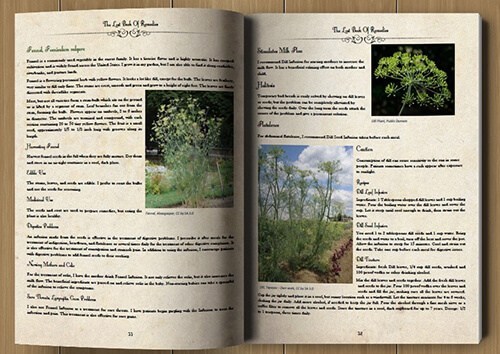
The physical book has 300 pages, with 3 colored pictures for every plant and for every medicine.

Lost Book of Remedies pages

It was written by Claude Davis, whose grandfather was one of the greatest healers in America. Claude took his grandfather’s lifelong plant journal, which he used to treat thousands of people, and adapted it into this book.

Learn More…

Lost Book of Remedies cover

Lost Remedies from Our Forefathers: Our Grandparents Knew (That Most Of Us Have Forgotten)

apple-cider-vinegar

Often my grandmother’s remedies worked faster and more effectively than conventional treatments. These lost remedies can treat and improve a variety of conditions. Whether you have a headache, stomachache, or sore throat, you can quickly find something around the house to relieve pain.

Lost Remedies From Our Grandfathers:

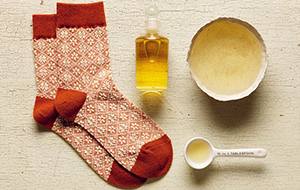
Lost remedies Vinegar SocksVinegar Socks

If you have high fever, just soak your socks in vinegar. Keep them on your feet for about 20 minutes, and refresh them every half hour until the temperature begins to drop. You can use regular or apple vinegar.


Salt Socks

Salt is used not only to flavor food but also for healing purposes. Heat a handful of salt in a pan until it gets very hot. Put the salt in a towel, and then put it on your chest and hold it until it is cold. You can also take a handful of it and put it in a basin.

Pour hot water over it, and then keep your feet in there for at least 10 minutes.

Don’t wipe your feet off; just put on some socks and get under some blankets as soon as possible.


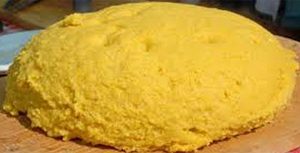
polenta on chest remedyPolenta

You can wrap hot polenta in a piece of gauze and put it on your chest close to your neck.

It’s best if you do this in the evenings before going to bed.


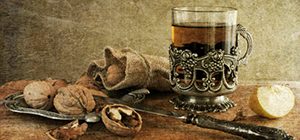
Walnut Tea Remedy lostNut Shells Tea

If you have a bad cough, you could always make tea from nut shells. You can put around five ounces in a pot and boil it.


Onion Tea

Yes, the taste is awful, but you drink it because you need it, not for pleasure. Just take a big onion and boil it well.

Leave it covered for a couple of minutes, and when is not too hot, just drink it in a big gulp.


SodoulSodoul

My favorite dessert when I was a kid and had a cold was Sodoul. You need an egg, milk, and either sugar or honey. These three ingredients make a wonderful remedy for any sore throat, and it is actually very tasty. Bring the milk to a boil, rub the yolk with sugar or honey, pour the hot liquid over it, and drink. After the second cup, you won’t remember the pain.


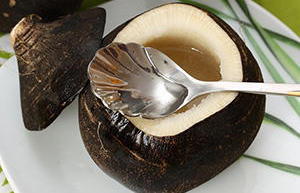
Black Black RadishRadish

Wash a black radish, make a hole in it, and put a teaspoon of sugar in it. Put in next to a heat source, such as a cooker or a radiator. After a couple of hours, a syrup will form that you can drink to soothe your throat.


Pine Syrup

If you have a sore throat, a couple of teaspoons of pine syrup will alleviate the pain.

Rinse 1 cup needles, then finely chop in a food processor. Bring 1/2 cup plus 2 tablespoons water, 2 tablespoons corn syrup and a pinch of salt to a boil in a saucepan, whisking, then boil 1 minute without stirring. Remove from the heat, add the needles and steep 2 to 3 hours. Strain the syrup and refrigerate up to a month. It tastes great in cocktails!


Salt Water

If you have a bad cough you can gargle with salt water or with freshly squeezed lemon juice. Or you can mix vinegar, honey, and warm water and drink it.


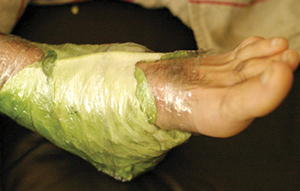
Cabbage Leaves

Cabbage leavesCabbage is renowned for its anti-inflammatory properties. You can also use Brussels sprouts, broccoli, cauliflower, or green salad. These plants accelerate toxin elimination from the organism and protects tissues from cold. You need two or three leafs of cabbage softened in boiled water or brushed with a little oil; put them around the neck, and cover them with a towel or a scarf. Keep them there for a couple of hours.


Potato Slices

You can treat headaches or migraines with potato slices. You need two or three slices of raw potato that you just put on your forehead and keep in place with a scarf. If the pain is still there after a while, then you should drink warm potato juice. You grate the raw potato, you squeeze it, and afterwards you drink about a quarter of a glass three times a day. The potato has anti-hemorrhagic and anti-anemic qualities, vitamin A, vitamin K, sulfur (an element that combats excess oil), and vitamin C.


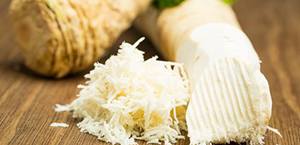
Horseradish

Horseradish RemedyHorseradish is a good remedy for sinusitis. Wrap up two to three teaspoons of grated horseradish, and apply to the root of the nose or forehead. Keep it up until a burning sensation occurs on the skin. Horseradish applied externally can cause skin redness and irritation. Protect the skin with a moisturizer applied at least a quarter of an hour before in a thick layer. 


Walnut Leaves

Due to the disinfectant, astringent, and healing properties, walnut leaves are used to treat skin problems. A rash can be removed with a decoction prepared from 30–40 grams of green walnut leaves per liter of water. Boil the leaves for fifteen minutes on high heat, then leave it to cool down, strain it, and afterwards wash the injured skin using a piece of clean gauze soaked in the decoction.


Other Remedies That Our Forefathers Used For:

Skin Irritations

  • For irritated skin due to shaving, you can make chamomile tea. Allow it to cool down, filter it, then refrigerate it. Using a cotton ball, rub the irritated spots for about 10 minutes.
  • If the skin irritation is a result of chickenpox, you can take a warm bath with oatmeal to soothe and reduce the desire to scratch.Are you ready to turn back the clocks to the 1800’s for up to three years? Our grandfathers and great-grandfathers were the last generation to practice the basic things that we call survival skills now…
    WATCH THIS VIDEO and you will find many interesting things!

    lost-ways

Stings

  • If a bee stings you, just put parsley, honey, or salt on the spot.
  • In cases where the stings are more severe, bandage the place with a poultice made from onions, leeks, or raw cabbage.
  • Apply fresh plantain leaves, basil, sage, or rattle. Make sure you crush them well to release the active substances.

Burns

  • To treat burns, chop an onion and gently rub it on the affected area. The substances emitted from the onion layers can work wonders on the burned area.
  • Cut a potato and put the slices on the burn.
  • Use the inside of a banana peel or even toothpaste on the burn.
  • Also try putting a raw beaten eggon it (this creates a kind of coating that neutralizes the burned skin), or rub buckthorn oil on it.
  • To relive the pain and stop the formation of blisters, you can grate a carrot and apply it as a poultice.

Cuts, Scratches, and Bruises

  • For minor cuts and scratches, wash the place with marigold oil, and rub the affected area with the inside of a banana peel.
  • To heal a bruise, put soaked bread in vinegar or wine and rub the spot with it.

Conjunctivitis

  • To treat conjunctivitis, put a few drops of cabbage juice in your eyes. Also, boil 2 tablespoons of crushed fennel seeds in five glasses of water, wait for it to cool down, filter it, and wash your eyes a couple of times a day. You can do the same thing with chamomile Furthermore, add some drops of castor oil or a few drops of egg white.

Toothaches

  • Clove oil is a well-known treatment for toothaches. Soak a cotton ball in clove oil, and press it on the painful area. It also relieves pain to chew two or three cloves.
  • Garlic ToothAnother natural remedy is garlic. Take a clove, and press it onto the tooth. Garlic juice is a natural anesthetic that acts swiftly and effectively. If you get used to eating raw garlic every morning, your teeth will strengthen and will not be so sensitive to cold or sweet foods.
  • Onions have the same properties as garlic and are excellent for strengthening teeth. Chew for three minutes a day, and you will avoid pain.
  • Lemon is an important source of vitamin C but also a good remedy for teeth that are affected by improper nutrition. Wash your mouth with the lemon juice in the morning, as soon as you wake up. Bacteria and plaque will be removed, and you will have clean teeth and fresh breath.
  • Take a glass of lukewarm water and add half a teaspoon of salt. Rinse your mouth with this solution every few hours.
  • Put some oregano leaves in a cup of boiling water, keep them there for five minutes, and then leave it to cool to an infusion. Then make a gargle.
  • Prepare a paste of black pepper and basil leaves, and apply on the painful area.

Corns

  • Boil hawthorn root in water until it turns brown. Put your feet in that water as hot as you can take it. Do this daily for two weeks. The result will be seen after a few days.

Calcium Deficiency

  • Mix 1 teaspoon sesame mills mixed with honey and a few drops of lemon. Take it every morning for 20 days out of each month. Do this for at least three months.

Sunburn

  • Dissolve baking soda in water, and apply it with the help of a compress to the affected area. Also, you can take a warm bath in the tub, adding half a cup. After the bath, let the water dry on your skin; do not use a towel. Baking soda is refreshing and helps to rehydrate skin.
  • Gently rub the affected areas with slices of watermelon. They are soft and will smooth the area affected by sunburn.
  • Mix 20–25 drops of lavender oil in a cup of water, and pour the mixture over the affected area.
  • Mix the juice of three lemons with two cups of cold water, and apply it to the sunburn. The lemon will cool the burn, will act as a disinfectant, and will help the regeneration of the skin.
  • Lost remedies sun burnMake compresses with milk, and apply them on the affected area for 20 minutes, repeating the process every two hours; then remove the milk from the skin. The fat contained in milk is very helpful for burns. You can also mix one cup of skim milk, four cups of cold water, and some ice cubes, blend it, and afterwards apply it on the affected area with a compress.
  • Cover the affected area with cooking oil, and sprinkle ginger oil over it so that you can facilitate the healing process.
  • Apply peppermint oil on the affected area. You can also make a mint tea to wash the affected area.
  • Grate a potato, and apply it on the affected area. The starch will cool and smooth the area.

If you’re interested in learning more old remedies, you should read The Lost Book Of Remedies.

The physical book has 300 pages, with 3 colored pictures for every plant and for every medicine.

Lost Book of Remedies pages

It was written by Claude Davis, whose grandfather was one of the greatest healers in America. Claude took his grandfather’s lifelong plant journal, which he used to treat thousands of people, and adapted it into this book.

Learn More…

Lost Book of Remedies cover

The Current Generation Has Known Nothing But Excess – Einstein’s Quote-‘I fear the day that technology will surpass our human interaction,The world will have a Generation of Idiots’!

The current generation has known nothing but excess and prosperity. They have been raised with the notion that everything is easy and when that paradigm fails they will not know how to cope with reality. This is the problem we face and must deal with in the months to come.

The current generation has lost the ability to trouble shoot the problems they are faced with and come up with simple solutions. Creativity is something many people no longer possess and that is one of the things that will make life hard on them. The greatest generation knew how to devise creative solutions to their problems that allowed them to get by and even prosper. That is a lesson we need to take away from the last depression.

When the great depression hit in the 1930’s, many people had a difficult time surviving. When the system they depended on ceased to function properly, they no longer had the ability to earn a living wage and care for their families. Even at a time when you could get a meal for a nickel, many people struggled to feed themselves.

In many rural areas, farmers faced the difficulty of being able to even grow enough to feed themselves. The drought that accompanied the depression left many no choice but to move to more hospitable locations where jobs could be found.

Some people were in a much better position to weather the national problems than others. They were not rich in monetary terms but they had a stable living condition that enabled them to get by as always.Find Out More

In the rural community that my family had called home for over 100 years, my family got by better than most. The fact that many of the people were watermen, who made their living on the Chesapeake Bay catching various types of seafood throughout the year, made the depression different for them. As my father related to me, they really didn’t know there was a depression going on most of the time.

The men went to work every morning catching what they could. Anything they couldn’t sell was taken home for dinner. Everyone had a garden and maybe some chickens and a hog out back providing meat for the winter. The area was also surrounded by many small farms producing many things they could trade for. Nobody had much money but the area teemed with the things that were needed to get by and barter was the norm.

Electricity was not seen in the community until the late 1940’s and few people had a car. These people really did live off the grid. That was the norm for them and they got by very well even with the national economy in a state of hard times. They could not buy many of the things they needed so those things had to be made out of whatever materials they had.

There are many stories like this that have been told and they are worth listening to once again. These stories provide the foundation people will need when the economy fails again in spectacular fashion leaving many in dire straits. When everything fails you have to go back to what works. That is a lesson that our ancestors have left for us to follow if we have the sense to learn from their hardships.

The current generation has known nothing but excess and prosperity. When the system turns down again they will be lost without all of the creature comforts and gadgets they are used to getting with great ease. They have been raised with the notion that everything is easy and when that paradigm fails they will not know how to cope with reality. This is the problem we face and must deal with in the months to come.

There are two lessons that can be taken from this story. When hard times come your location and creativity can make up for many shortfalls in life. Those things can make the difference between suffering and having a decent standard of living. Living in an area rich with resources allows you to produce many of the things you need locally with little money and can even provide you with a stream of income. The lack of resources in your area can make things very difficult over the long term.

It is good for people to plan for hard times by stocking up, learning to produce food and storing real money for times of need but that will not be enough when the time comes. Your location and the ability to be creative and solve the many problems you face will be necessary ingredients to surviving the coming hard times. Keeping your plans simple and learning the ways of our grandparents will help in ways we cannot even contemplate at this time but their wisdom will be as critical as your other supplies. One of the many slogans that came from that time is worth remembering.

What Would It Really Be Like To Have No Running , Sewer, Newspaper Or Internet? No Supermarket Or Fire Department Close At Hand?

original

It’s fewyears af ter an EMP attack and you are safely tucked away in your retreat somewhere in the middle of nowhere. Your storage foods have mostly been used and your high tech electronics is useless. The really bad stuff is mostly past. Now it’s try to stay fed and alive and pray that civilization as you know it is coming back. You’re going to have to work your environment to live. Ever wonder what life might be like to Homestead? What would it really be like to have no running water, electricity, sewer, newspaper or Internet? No supermarket or fire department close at hand?

I have a good imagination but I decided to talk to someone who would know first hand what it was like: my mother. She grew up on a homestead in the middle of Montana during the 1920s and 1930s. It was a two room Cottonwood cabin with the nearest neighbor three miles away. She was oldest, so she was in charge of her brother and sister by the time she was 9 years old. This was her reality; I feel there are lessons here for the rest of us.

There was a Majestic brand cookstove that used wood and coal. The first person up at four thirty A.M., usually her father, would start the fire for breakfast. Then he would go out to take care of the livestock while his wife made breakfast. For the kids, it was a comforting start to the day but your feet would get cold when you got out of bed. There was no sleeping in.

FIREWOOD AND COAL

A crosscut saw and axe was used to cut wood for the stove and after that experience, you got pretty stingy with the firewood because you know what it takes to replace it. The old timers say that it warms you when you cut it, when you split it, and again when you burn it. The homes that were typical on homesteads and ranches of the era were smaller with lower ceilings than modern houses just so they could be heated easier. The saw and axe were not tools to try hurrying with. You set a steady pace and maintained it. A man in a hurry with an axe may lose some toes or worse. One side effect of the saw and axe use is that you are continuously hungry and will consume a huge amount of food.

Usually in the fall of the year, a wagon load of coal would be purchased. It was used sparingly and had its own dangers as it was known to produce a lot of carbon monoxide. They were lucky in that there were coal seams within thirty miles and they could use their own wagon for pickup. Even so, it was a large undertaking: travel to and from, loading the wagon and then unloading by hand; it wasn’t unusual to take a week from start to completion. The coal was really appreciated when a Blue Norther came whistling through and everyone huddled by the stove. Of course, the regular chores at home still had to be done. No excuses.

Also in the fall of the year, people would scour the rivers and creeks looking for a bee tree and the honey they could harvest. Somehow, ‘free’ honey in the wild tastes sweeter. One enterprising man cut a back door into a bee tree so he didn’t have to destroy the hive to get the goodies.

Lights in the cabin were old fashioned kerosene lamps. It was the kid’s job to trim the wicks, clean the chimneys and refill the reservoirs. Candles were in use as well, but any breeze could snuff out the flame and the risk of fire from a dumped candle was much higher.

The privy was downhill from the house next to the corral and there was no toilet paper. Old newspaper, catalogs or magazines were used and in the summer a pan of barely warm water was there for hygiene. During a dark night, blizzard, or brown out from a dust storm, you followed the corral poles-no flashlights.

SPRING WATER

There were two springs close to the house that ran clear, clean, and cold water. The one right next to it was a “soft” water spring. It was great for washing clothes and felt smooth, almost slick, on your skin. If you drank from it, it would clean you out just as effectively as it cleaned clothes. Not all clean water is equal.

The second spring was a half mile from the cabin and it was cold, clear, and tasted wonderful. The spring itself was deep – an eight foot corral pole never hit bottom- and flowed through the year. It was from here that the kids would fill two barrels on a heavy duty sled with water for the house and the animals. They would lead the old white horse that was hitched to the sledge back to the buildings and distribute the water for people and animals. In the summer, they made two trips in the morning and maybe a third in the evening. In the winter, one trip in the morning before school and one in the evening after school before supper. They did this alone.

COOKING

Breakfast was a big meal because they’re going to be working hard. Usually there would be homemade sausage, eggs and either cornmeal mush or oatmeal. More food was prepared than what was going to be eaten right then. The extra food was left on the table under a dish towel and eaten as wanted during the day. When evening meal was cooked, any leftovers were reheated. The oatmeal or the mush was sliced and fried for supper. It was served with butter, syrup, honey or molasses.

The homemade sausage was from a quarter or half a hog. The grinder was a small kitchen grinder that clamped on the edge of a table and everybody took turns cranking. When all the hog had been ground, the sausage spice mix was added and kneaded in by hand. Then it was immediately fried into patties. The patties were placed, layer by layer, into a stone crock and covered with the rendered sausage grease. The patties were reheated as needed. The grease was used for gravies as well as re-cooking the patties. Occasionally a fresh slice of bread would be slathered with a layer of sausage grease and a large slice of fresh onion would top it off for quick sandwich. Nothing was wasted.

On special occasions, some of their protein came from dried fish or beef. Usually this had to be soaked to remove the excess salt or lye. Then it was boiled. Leftovers would go into hash, fish patties, or potato cakes.

Beans? There was almost always a pot of beans on the stove in the winter time, not so much in the summer as it was too easy for the beans on a cold stove to go sour. That pot of beans wasn’t just beans; usually leftover meat would be cut up and go in the mix to add flavor and variety.

The practice of leaving the food out for a noon snack also would lead to what was referred to as “Summer Complaint”, or as we would call it, diarrhea… which was probably a low level of food poisoning. The attitude was ‘So you have summer complaint? Don’t we all. Keep working.’
I’ll say it now, those were some tough people.

Chickens and a couple of milk cows provided needed food to balance the larder. They could not have supported a growing family without these two resources. The quality and volume of food from these resources was determined by how much work people put into them, especially the milk cows. Careful treatment, regular milking (you absolutely could not miss a milking session or it could ruin a good cow) and attention to hygiene was very necessary. The hygiene part was difficult to achieve when you consider the somewhat crude conditions, location of Bossie’s tail to the milk pail and the fact that warm fresh milk is great for growing any number of organisms.

GARDENING

The kitchen garden ran mostly to root crops. Onion, turnip, rutabaga, potato and radishes grew under chicken wire. Rhubarb was canned for use as a winter tonic to stave off scurvy. Lettuce, corn, and other above ground crops suffered from deer, rats, and gumbo clay soil. Surprisingly, cabbage did well. The winter squash didn’t do much, only 2 or 3 gourds. Grasshoppers were controlled by the chickens and turkeys. There was endless hoeing.

Washing clothes required heating water on the stove, pouring it into three galvanized wash tubs-one for the homemade lye soap and scrub board, the other two for rinsing. Clothes were rinsed and wrung out by hand, then hung on a wire to dry in the air. Your hands became red and raw, your arms and shoulders sore beyond belief by the end of the wash. Wet clothing, especially wool, is heavy and the gray scum from the soap was hard to get out of the clothes.

Personal baths were in a galvanized wash tub screened by a sheet. In the winter it was difficult to haul, heat and handle the water so baths weren’t done often. Most people would do sponge baths. Youngest went first in the tub, then the women, then the men.

Everybody worked, including the kids. There were always more chores to be done than time in the day. It wasn’t just this one family; it was the neighbors as well. You were judged first and foremost by your work ethic and then your honesty. This was critical because if you were found wanting in either department, the extra jobs that might pay cash money, a quarter of beef, hog, or mutton would not be available. Further, the cooperation with your neighbors was the only assurance that if you needed help, you would get help. Nobody in the community could get by strictly on their own. A few tried. When they left, nobody missed them.
You didn’t have to like someone to cooperate and work with him or her.

GATHERINGS AND HOLIDAYS

Several times a year people would get together for organized activities: barn raising, butcher bee, harvest, roofing, dance, or picnics. There were lots of picnics, usually in a creek bottom with cottonwoods for shade or sometimes at the church. Always, the women would have tables groaning with food, full coffee pots and, if they were lucky, maybe some lemonade. (Lemons were expensive and scarce) After the work (even for picnics, there was usually a project to be done first) came the socializing. Many times people would bring bedding and sleep out overnight, returning home the next day.

Christmas, Thanksgiving and birthdays were celebrated but the gifts were somewhat understated by todays comparison. There might be a shirt made from a flour sack, a homemade leather knife sheath, some colored thread or fancy buttons. The Christmas stocking might have an orange, or an apple, maybe nuts. Hard candy was always welcome. The holidays were made special by a batch of cinnamon rolls or special cookies. In the meantime, get those chores done first.

A half dozen families would get together for a butcher bee in the cold days of late fall. Cows were slaughtered first, then pigs, mutton, and finally chickens. Blood from some of the animals, usually cows, was collected in milk pails, kept warm on a stove to halt coagulation and salt added. Then it was canned for later use in blood dumplings, sausage or pudding. The hides were salted for later tanning; the feathers from the fowl were held for cleaning and used in pillows or mattresses. The skinned quarters of the animals would be dipped into cold salt brine and hung to finish cooling out so they could be taken home safely for processing. Nothing went to waste.

The most feared occurrence in the area was fire. If it got started, it wasn’t going out until it burned itself out. Kerosene lights, candles and wood stoves were not taken for granted as they could become deadly dangers. People could and did lose everything including their lives.

HUNTING

The most used weapon was the .22 single shot Winchester with .22 Short cartridges. It was used to take the heads off pheasant, quail, rabbit and ducks. If you held low, the low powered round didn’t tear up the meat. The shooters, usually the kids, quickly learned sight picture and trigger control although they never heard those terms. If you took out five rounds of ammunition, then you’d better bring back the ammunition or a critter for the pot for each round expended. It was also a lot quieter and less expensive [in those days] than the .22 Long Rifle cartridges.

If you are trying to maintain a low profile, the odor of freshly baked bread can be detected in excess of three miles on a calm day. Especially by kids.

Top 6 Anti-Cancer Fruits (+3 Amazing Recipes)

04-pomegranates-Fruits-and-Vegetables-that-Taste-Best-in-the-Fall_560360356-Tosa

The American Cancer Society shows that cancer is considered the second most common cause of death in the United States.

It is characterized by the uncontrolled development of abnormal cells harming your body in different ways. There are multiple types of cancer such as skin, breast, ovarian, lung, pancreatic, colon, lymphoma, and prostate. Aging, excessive alcohol intake, excessive smoking, overexposure to the sun, exposure to harmful chemicals, obesity, and genetics are some of the factors that increase your risk of developing cancer. You can’t manage hereditary and a few environmental factors, but you can reduce your chance of cancer by making lifestyle choices and healthy diet.

There are many fruits rich in phytochemicals and antioxidants that give anti-cancer benefits. According to studies, a higher fruit and vegetable intake is related to lower risks of cancer in the colon, lungs, pancreas, stomach, and oral cavity.

Let’s check out these following six anti-cancer fruits.

Anti-Cancer Fruits

1.Goji Berry Or Chinese Wolfberry

Goji berry ranks among the top 120 medicinal herbs in the world. It can help to provide strength and extend lifespan. It also works upon both the kidney and liver channels to provide detoxification and nourishment. Besides, its dense lineup of glycoconjugates and polysaccharides show unique immunomodulatory, antitumoral, and antioxidant agents. Administration of polysaccharide-protein complexes extracted from goji berry has indicated benefits in reducing the development and spread of cancer cells.

2. Blueberries

Blueberries are abundant in nutrients that help to combat various diseases including cancer. According to American scientists, blueberry phenolic compounds may help prevent cancer cell division, guard the DNA against oxidative damage, and decrease the production of pro-inflammatory molecules. Along with that, blueberries are storehouses of anthocyanidins, which are effective at inhibiting the development of blood vessels feeding the tumor cells. Apart from that, they are full of antioxidants and cancer-fighting phytonutrients, which all help to neutralize free radicals damaging cells and causing diseases including cancer. Furthermore, they help to decrease cancer risk thanks to their vitamins C and K, manganese and dietary fiber. To reap the anti-cancer advantages, eat about a half cup of frozen or fresh blueberries daily.

3. Grapes

Grape and grape seed extract both are a rich source of the antioxidant resveratrol, which offers anti-cancer benefits. Plus, they may help to block the action of a protein, which leads to cancer growth. Besides, grapes are rich in the anti-inflammatory properties that help to inhibit chronic inflammation and oxidative stress, two main reasons for cancer. According to a 2005 study, the polyphenols from muscadine grapes consist of anti-cancer properties. For this purpose, you can eat one cup of grapes every day. You can also take 150 to 300 mg of grape seed extract with 50 to 75% GSP.

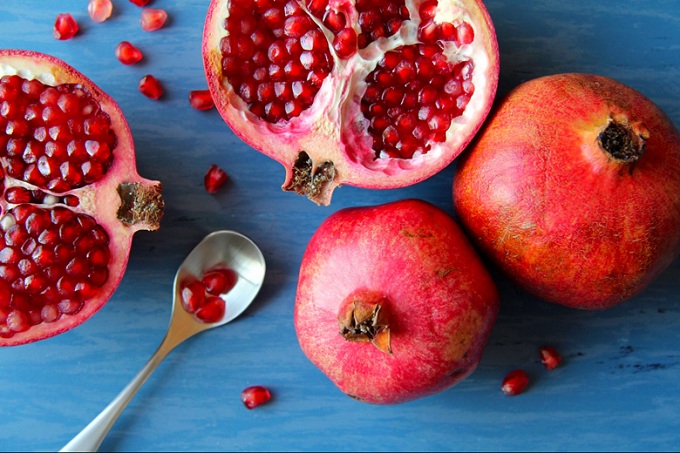
4. Pomegranate

Pomegranate has a good amount of antioxidants that offer anti-cancer benefits. The fruit has shown to prevent the growth of colon, lungs, skin, breast, and prostate cancers. It additionally has a mixture of flavonoids, phenols, tannins, and anthocyanins that aid in modulating cellular biochemistry. For this treatment, it is advisable to consume about ½ to ⅔ cup of pomegranate daily. You can also add it to your morning cereal, fruit salad, and smoothie or enjoy its juice to combat cancer.

5. Peas

Peas are a powerhouse of antioxidants and exhibit antimicrobial, anticancer, anti-inflammatory, and cholesterol-lowering effects. They also embrace biologically active compounds such as phytic acid, tannins, phenols, saponins, and isoflavones making them one of the best fruits to prevent colon, larynx, breast, and liver cancers. It is suggested to eat ¼ cup of peas every alternate day. Consume boiled or raw fresh, dark green peas.

6. Avocado

Avocados are filled with healthy fats and vitamin E. This fruit is enjoyed in smoothies, salads, and other food recipes all around the world. A type of fat known as Avocatin B presenting in avocados was found to fight acute myeloid leukemia that is a deadly form of cancer. It is also loaded with cancer-fighting carotenoids. It may help to inhibit DNA mutation and halt prostate cancer cell proliferation. To reap its benefits for cancer, you should eat half an avocado every day. You can also add this rich, creamy, nutty-flavored fruit to smoothies, salads, and toasts.

Learn More…

II. Cancer-Fighting Foods Recipes

1. Anti-Inflammatory Juice Recipe

What You Need

  • Celery stalks – 4
  • Cucumber – ½
  • Pineapple – 1 cup
  • Green apple – ½
  • Spinach – 1 cup
  • Lemon – 1
  • Knob ginger – 1

How To Make

Add all of the above ingredients to a vegetable juicer and gently stir juice. Drink immediately.

Imagini pentru Kale Chips Recipe

2. Kale Chips Recipe

What You Need

  • Bunch kale, chopped – 1
  • Lemon juice – 1 tablespoon
  • Sea salt – ¼ teaspoon
  • Coconut oil – 2 tablespoons

How To Make

Preheat an oven to 350 °F. Chop the kale into ½-inch pieces. Take a large bowl and place all elements in it. Use your hands to massage the oil, sea salt, and lemon juice into the kale. Place the mixture on baking sheets and bake for around 10-12 minutes.

3. Pumpkin Blueberry Pancakes Recipe

What You Need

  • Paleo flour blend – 1 cup
  • Eggs – 2
  • Coconut milk – 1 cup
  • Pumpkin puree – ½ cup
  • Vanilla extract – 2 teaspoons
  • Cinnamon – 1 teaspoon
  • Fresh or frozen blueberries – ½ cup

How To Make

Mix the wet ingredients in a bowl and then whisk in the dry ingredients to avoid clumping. After that, stir in the blueberries. Heat a greased pan over medium heat and pour about 1/3 cup of batter a pancake until the pan is full. Cook until bubbles make on the top of batter and start to pop, flip. Repeat cooking. Finally, serve warm with maple syrup and blueberries.

III. Tips To Minimize Cancer Risk

  • Don’t overheat the cooking oil.
  • Consume foods with generous amounts of antioxidants.
  • Stay away from processed and charred foods.
  • Practice yoga. Keep yourself active.
  • Cook food at low temperatures to inhibit overcooking and charring.
  • Stay away from foods with added sugar.
  • Stay away from heating food in the microwave.
  • Don’t keep your cell phone close to your body.
  • Don’t hold your laptop on your chest or lap.
  • Don’t consume foods with flavoring agents and artificial color.
  • Add herbal supplements to enhance detoxification.

By maintaining good lifestyle habits and eating some healthy fruits, you can avoid cancer and even fight it. So, start incorporating these fruits into your daily diet to live a long and happy life. Do you know other anti-cancer fruits? Have you ever tried any of these cancer-fighting healthy fruits? Feel free to share with us the best natural home remedies that you know, in the comments section below.

If you’re interested in learning more old remedies, you should read The Lost Book Of Remedies.

The physical book has 300 pages, with 3 colored pictures for every plant and for every medicine.

Lost Book of Remedies pages

It was written by Claude Davis, whose grandfather was one of the greatest healers in America. Claude took his grandfather’s lifelong plant journal, which he used to treat thousands of people, and adapted it into this book.

Learn More…

Lost Book of Remedies cover


11 Powerful Plants That Kill Pain Fast

lost-book-of-remedies-pages

“The art of healing comes from nature and not from the physician. Therefore, the physician must start from nature with an open mind.”

These wise words come from the Swiss physician, philosopher and alchemist known simply as Paracelsus (1493-1541). Paracelsus taught that the human body was a complex chemical system that had to be balanced with its environment. One way to keep your body in alignment with nature is by using plants to treat common physical ailments.

Whether your passion is emergency preparedness, homestead survival, or you just want to avoid modern medicine with all its side effects, you should check out these 11 powerful plants that can quickly relieve pain.

Here are 11 powerful plants that can quickly relieve pain.

Are you ready to turn back the clocks to the 1800’s for up to three years? Our grandfathers and great-grandfathers were the last generation to practice the basic things that we call survival skills now…
WATCH THIS VIDEO and you will find many interesting things!

lost-ways

Aloe Vera

The ancient Egyptians called Aloe Vera the “plant of immortality,” and for good reason. The gel from the Aloe Vera plant contains significant anti-inflammatory and antioxidant properties.

You can use this gel to soothe burns, cuts, scrapes, and even cold sores. When you drink it in juice form, it helps the gastrointestinal tract to function at an optimal level.

Similar to a cactus, the Aloe Vera plant has long serrated edges. A translucent gel is found within the thick fleshy part between the layers of tough skin. Here is how to remove the gel.

  1. Break off a leaf as close to the stem as possible and place it on a cutting board.
  2. Then use a sharp knife to slice away both ends and to remove the spiny edges.
  3. Now, hold the leaf with one hand on the top layer of skin as you slide the knife between the top layer of skin and the gel beneath it. Set that skin layer aside.
  4. Next, slide the knife between the gel and the other piece of skin as you repeat the process.

You now should have a section of aloe gel that you can apply directly to the skin for pain relief. Another option is to blend the gel with other smoothie ingredients to help relieve indigestion.

Basil

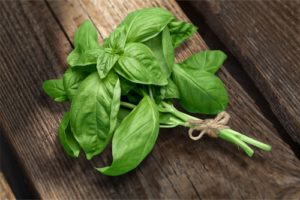
Fragrant basil does much more than just add flavor and aroma to your favorite Mediterranean recipes. It can help relieve congestion caused by colds and flu, and it can help relax muscles and improve blood circulation.

Here is how to make soothing basil tea.

  1. Snip about a dozen basil leaves.
  2. Combine them with a teaspoon of ginger in a skillet or pan and stir gently over low heat until the leaves have softened.
  3. Add a cup of water and boil the mixture for a few minutes.
  4. Add a teaspoon or so of honey if desired and then sip the tea throughout the day, especially after meals.

Cloves

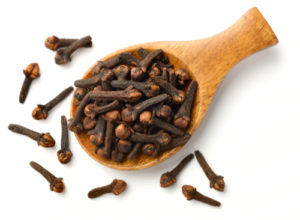
Cloves have analgesic and antibacterial properties that make them useful as a numbing agent for toothaches and gum pain. Here’s how to use them.

  1. Crush a few whole cloves before mixing them with an equal amount of cayenne pepper powder in a small bowl.
  2. Add just enough water to make a thick paste.
  3. Roll a cotton ball or a cotton swab into the mixture and apply the cotton directly to the affected area of the mouth.

As your saliva mixes with the paste, you will notice a numbing effect that eases pain and discomfort.

Dill

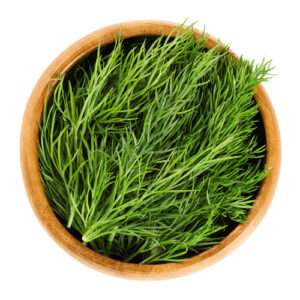
Commonly used to flavor deviled eggs and vegetable dishes, dill also can be used for medicinal purposes. A natural diuretic, dill has properties that can help ease anxiety, insomnia, hiccups, menstrual cramps, and digestive disorders.

You can make a dill powder by simply grinding up the seeds. For ailment relief, take a teaspoon of the powder twice a day for up to 21 days. For best results, hold the powder under your tongue for about 10 minutes.

You can make dill tea with two teaspoons of mashed dill seeds per cup of hot water. Let the seeds steep for about 10 minutes until the tea has a yellow color. Use a filter to remove the seeds, then sip the tea.

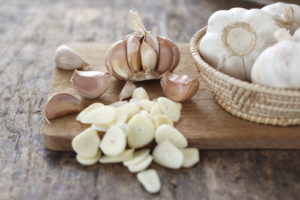
Garlic

The ancient Greek physician Hippocrates, known as the Father of Western Medicine, prescribed garlic to treat many medical complaints. The ancient Egyptian, Babylonians, Greeks, Romans and Chinese civilizations also favored garlic for medicinal uses.

Consuming garlic can boost the immune system and it has both antioxidant and anti-inflammatory properties that may help ease arthritis and back pain.

To use garlic topically, you can crush about 10 fresh garlic cloves to make a paste. Apply the paste on the affected area, cover with a clean cloth and then leave in place for about 30 minutes.

Although cooked garlic still has health benefits, it is most effective in its raw state. Try adding raw garlic to homemade salad dressings, marinades, tomato sauces, soups and stews. Whether you’re using garlic raw or cooked, you can boost its benefits by first chopping or crushing it and then letting it sit for 10 minutes before either eating it as is or cooking it.

What if that were you? What would YOU do?

In the next few minutes, I’m going to show you the U.S. Nuclear Target map, where you’ll find out if you’re living in one of America’s Deathzones.

Easy_Cellar e

Ginger

The root of the ginger plant has anti-inflammatory properties that make it useful in treating headaches. muscle aches and overall body soreness. As a natural remedy for nausea, ginger help many women handle the uncomfortable waves of morning sickness that can come with early pregnancy.

To make ginger tea, grate about two inches of fresh raw ginger into a two-cup glass measuring cup. Then, pour boiling water to the 1-1/2 cup line. Let the tea steep for 10 minutes before straining it into a mug and adding honey or sugar to taste.

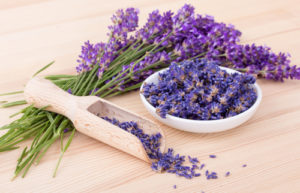
Lavender

Sweet-smelling lavender can serve as an antiseptic, a diuretic and a relaxant. Sipping lavender tea, made from lavender buds, can help relieve muscle soreness and muscle spasms. Lavender tea also can help fight off harmful bacteria and ease stomach irritation.

To brew homemade lavender tea, boil one tablespoon of dried lavender buds in two cups of water for 10 minutes. Strain. Add honey if desired. You may drink lavender tea up to three times a day or just before bedtime to help you relax. Be sure to inhale the aroma, which in itself has healing properties.

Mint

Mint can serve as a decongestant during cold and flu season. It helps ease headaches, arthritis pain and indigestion. In addition, mint has antiseptic and antibacterial properties that make it useful for treating cuts and burns.

Drinking freshly brewed mint tea contributes to fresh breath and reduces stomach bloating and indigestion.

To make a flavorful mint tea, you’ll need a large handful of fresh mint leaves. Roughly tear the leaves and places them in a strainer in your teapot. Add enough boiling water to cover the strainer and cover the teapot. Let the leaves steep for about 10 minutes.

Now gently crush the leaves with the back of a wooden spoon to release their oils. Before removing the strainer, press on the leaves once again to release all the liquid. Pour the mixture into a mug and sweeten as desired before drinking.

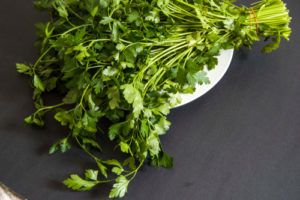
Parsley

Parsley is so much more than a decorative addition to a dinner plate. It is rich in vitamin C, vitamin A, iron, iodine and calcium. It also helps freshen breath.

Parsley can help reduce fluid retention and speed up the elimination of harmful toxins from the digestive tract.

To make soothing and nutritious parsley tea, place one teaspoon of crushed parsley seeds or two teaspoons of dried parsley leaves into one cup of boiling water. Let the mixture steep for 10 minutes before straining. Sip the tea up to three times a day.

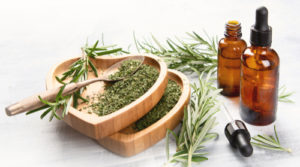
Rosemary

Just smelling aromatic rosemary can benefit your brain’s cognitive function, including concentration and memory. Rosemary also can help ease muscular pain, indigestion and headaches. It has antibacterial properties, and it works to help detoxify the liver. When used topically, rosemary can help relieve toothaches, eczema and joint or muscle pain.

Place a fresh sprig of rosemary in a teapot and let it steep for five minutes. If you allow the sprig to steep longer, you will draw out more nutrients, but the tea will have a more bitter taste. Filter out the stem and needles and sip, adding your favorite sweetener as desired.

Thyme

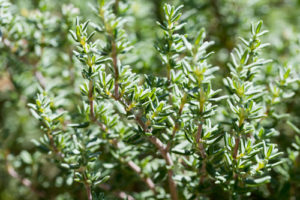
Thyme has numerous antiseptic, antibacterial and antioxidant properties. As a tea, it can work as an expectorant, clearing the lungs of congestion during colds and flu. Thyme tea also soothes a sore throat, settles indigestion, reduces the discomfort of menstrual cramps and helps relieve other aches and pains.

To brew thyme tea, you first need to dry the leaves. Cut the stalks, wash them and dry them by letting them hang upside down in small bundles for about two weeks.

Then remove the dry thyme leaves before crushing them into a fine powder or leaving them whole for your tea.

Add one teaspoon of dried thyme leaves to two cups of boiling water. Then reduce heat to a simmer and cover the pot, allowing the leaves to steep for five minutes. Then strain the tea into a cup, adding lemon or honey as desired.

Conclusion

Plant-based remedies have been tested with time through the centuries — about eighty percent of the world’s population uses plants to treat everything from the common cold to high blood pressure. In many parts of the world, pharmacies even dispense herbs prescribed by physicians. In fact, as late as the mid-20th century in the U.S., many pharmaceutical companies offered plant-based medicines in tablet, ointment and liquid formulas.

Keep your eyes peeled because you may be able to find some of these herbs in your backyard. But if not, most of these herbs are relatively easy and enjoyable to grow. What’s more is that you can enjoy the health benefits of these plants year-round by growing them both outdoors and indoors, often on a sunny windowsill. As with any form of medication, it is to consult your health practitioner before beginning a new regimen of plant-based treatments.

If you’re interested in learning more old remedies, you should read The Lost Book Of Remedies.

The physical book has 300 pages, with 3 colored pictures for every plant and for every medicine.

Lost Book of Remedies pages

It was written by Claude Davis, whose grandfather was one of the greatest healers in America. Claude took his grandfather’s lifelong plant journal, which he used to treat thousands of people, and adapted it into this book.

Learn More…
Lost Book of Remedies cover

Back to Basics – Gardening Wisdom From Thomas Jefferson: 5 Things You Should Learn

af3tplmuedmw0b6ealgx

When they consider Thomas Jefferson, many Americans first think of him as the author of the Declaration of Independence or as our nation’s third president, who was responsible for the Louisiana Purchase and the Lewis and Clark expedition. However, Jefferson’s contributions go deeper than those accomplishments.

Jefferson was a true Renaissance man with a variety of interests and hobbies. He was an accomplished architect, an inventor and a violinist. He could read more than five languages. Jefferson also was a horticulturist who made important contributions to American gardening.

In a letter to Charles W. Peale in 1811, Jefferson wrote, “No occupation is so delightful to me as the culture of the earth, and no culture comparable to that of the garden. … But though an old man, I am but a young gardener.”

At Monticello, his beloved Virginia estate, Jefferson became a pioneer of gardening practices that are useful for us today. Always passionate about growing things, Jefferson further developed this interest during a diplomatic trip to England in 1786 with his long-time friend John Adams.

Here are five examples of Thomas Jefferson’s gardening wisdom.During the two-month trip, he was able to tour and examine many English gardens. Those observations became the basis for his own extensive gardening ideas. Much of what he learned can be applied to any garden of any size.

Are you ready to turn back the clocks to the 1800’s for up to three years? Our grandfathers and great-grandfathers were the last generation to practice the basic things that we call survival skills now…
WATCH THIS VIDEO and you will find many interesting things!

lost-ways

1. Experiment … extensively

Jefferson once wrote that the “greatest service which can be rendered to any country is to add a useful plant to its culture.” When he traveled throughout our young country and abroad, Jefferson often exchanged seeds and seedlings with other gardeners. He enjoyed cultivating those seeds and young plants in his Monticello garden.

Because he grew a variety of crops, including a mix of tropical species with cool weather crops, he devised a unique terraced landscape for his 1,000-foot-long vegetable garden. By placing the garden on a south-facing slope, he was able to capture abundant sunshine.

Creating this unique form of “hanging garden” involved the removal of about 600,000 cubic feet of red clay and the creation of a 1,000-foot-long rock wall that was 15-feet tall in some places.

2. Grow what you eat

Jefferson loved to eat vegetables. In fact, he wrote that “they constitute my principal diet.” Because of his extensive travels, he was exposed to a wide variety of cuisines. He frequently took recipes back home with him and encouraged his cooks to use Monticello’s homegrown produce in new ways. In this way, he created a new American type of cuisine he described as ‘half-French and half-Virginian.”

His Monticello garden featured 330 different varieties of vegetables and 170 varieties of fruits. According to Monticello gardening expert Peter Hatch, Jefferson’s garden inspired a “revolutionary cuisine.” A Monticello recipe for okra soup, for instance, reflects influences from Native Americans (lima beans), Europe (potatoes and tomatoes) and Africa via the West Indies (okra).

Karen Hess, a noted culinary historian, called Jefferson “our most illustrious epicure, in fact, our only epicurean President.”

3. Go natural

Jefferson would be quite at home with the organic gardening movement of today. When his daughter, Martha, wrote to him while he was in Philadelphia serving as secretary of state, she complained about insects damaging the vegetables at Monticello.

He recommended the garden be covered that winter with “a heavy coating of manure. When is rich it bids defiance to droughts, yields in abundance, and of the best quality.”He responded, “I suspect that the insects which have harassed you have been encouraged by the feebleness of your plants; and that has been produced by the lean state of the soil.”

In 2009, White House chef Sam Kass reserved a section of the White House garden to showcase Jefferson’s Tennis Ball and Brown Dutch lettuce, Prickly-Seeded spinach and Marseilles fig, a few of Jefferson’s favorite plants.

4. Keep notes

Jefferson had a scientist’s mind, and because of that, he kept scrupulous notes about what worked and what did not work in his garden.

He recorded his gardening efforts in his Garden Book, a personal journal he maintained from 1766 to 1824. Hatch reports that Jefferson was not afraid to admit defeat in certain gardening circumstances. “On one page in 1809 the word failed is written down 19 times,” Hatch writes.  “He had a holistic view, as we say today, of the gardening process. It is the failure of one thing that is repaired by the success of another.”

5. Make your garden an area for retreatIn his “A General Gardening Calendar,” Jefferson’s only published horticultural work, he offered a monthly guide for kitchen gardening. In the calendar, which was first published in 1824 in the American Farmer, a Baltimore periodical, Jefferson instructs gardeners to plant a thimble spool of lettuce seed every Monday morning from February 1 through September 1.

Jefferson enjoyed the restorative aspects of being a gardener and believed that gardens should be seen, experienced and enjoyed.

For example, he designed and built an octagonal pavilion in a central garden location at Monticello and used this spot as a location for reading, writing and even entertaining.

“No occupation is so delightful to me as the culture of the earth,” he once wrote, “and no culture comparable to that of the garden.”

If you’re interested in learning more old remedies, you should read The Lost Book Of Remedies.

The physical book has 300 pages, with 3 colored pictures for every plant and for every medicine.

Lost Book of Remedies pages

It was written by Claude Davis, whose grandfather was one of the greatest healers in America. Claude took his grandfather’s lifelong plant journal, which he used to treat thousands of people, and adapted it into this book.

Learn More…

Lost Book of Remedies cover

What’s the Limit of Your Morality in a Crisis? To Survive You’re Going To Have To Adapt Your Morals To The Situation

Support

As preppers we usually focus on practical steps that will give us a better chance of surviving whatever crisis comes down the road. We talk about what kind of food to store and how much of it, where our water is going to come from, and the best weapons to have available. These are all important points, and if we don’t get them right life will be a lot harder post-SHTF. But is there something else, maybe just as important, that we’re all overlooking?

Being prepared is about being ready to survive in a world that’s radically different from the one we live in now. Most of us are pretty well equipped to deal with the physical differences – not being able to go to the store for food, or the mains power going out – but what about the moral differences?

The moral standards we use in everyday life are going to be stretched to the limit, and far beyond, if the SHTF. Our standards of right and wrong developed in a safe, organized society where most essentials are easily available. How well are they going to cope in the chaos of social collapse? Probably not very well – and that means we all need to think about our personal moral values, what limits they put on our actions, and how we might have to adapt them when the situation changes.

Most people’s moral code says “don’t steal”. It says “help people who’re in trouble”. Unless you’re a psychopath it says “Don’t shoot at anyone except in self-defense”. It probably includes beliefs about marriage, relationships and what’s acceptable in those areas. You can probably think of a list of other rules you live by. Have you thought about how those rules will work in a crisis situation?

Obviously some of them will still work just fine. Don’t rape; don’t kill for the fun of it; don’t abuse the weak and helpless. All of these things are simply wrong, in any situation. Other things fall into more of a gray area though. You’ll have to be a lot more willing to use violence than you’d usually be comfortable with. Other people’s property rights will often take a lower priority compared to what you and your loved ones need to survive. Helping others has to be balanced against the impact it will have on you – if you give a starving child a meal, you can’t just head down to Walmart to replace the food you gave them.

Madly Murderous

Modern society has strong taboos against killing unnecessarily, and that’s basically what murder is – killing someone without legal sanction. Soldiers on operations are legally sanctioned to kill within their ROEs; a homeowner faced with an intruder is legally sanctioned to kill under self-defense laws. But if you kill someone because they took the parking space you wanted at Safeway, or because you saw them grab an ear of corn from your field, there’s no legal justification for that and it’s murder.

But what happens if law and order have collapsed? In a serious crisis there won’t be any legal sanction, because who’s enforcing the law and making that kind of decision? In that situation you have to look beyond your personal morals and consider what knock-on effects there will be.

Shooting someone for taking a parking space is still wrong; just because it’s the end of the world doesn’t mean you can’t walk an extra ten feet. Shooting someone for taking a single ear of corn is probably also wrong – if they’re taking a single ear. But what if they’re systematically harvesting your crop?

A lot of preppers grow their own food in normal times, and like anything valuable sometimes crops get robbed. Usually, unless they threatened you with a weapon, you wouldn’t be justified in killing someone for stealing your crop. They’re committing a crime, but you can replace the lost food from the grocery store. In a crisis it’s different. Let them take that food and, come winter, you and your family could be starving to death. Will your personal morality let you shoot to keep hold of that food? It’s something you need to consider.

Are you going to make a moral judgment based on who is taking your food? A lot of us would feel justified in opening fire on a group of armed looters, but might be more hesitant to pull the trigger on a starving woman with kids in tow. Are you willing to face a bit of personal hardship to keep someone else alive?

Fair Shares? Forget it!

Most of us do what we can to help the less fortunate. Whether it’s handing some spare change to a homeless person or volunteering for a local shelter, we generally do what we can for others. That’s fine when only a minority of people need help, and the majority can carry them without much of a sacrifice. It’s totally different when only a few are prepared for a crisis and almost everyone else is looking for a share of their supplies.

With the best will in the world, you can’t help all your unprepared neighbors. You just don’t have enough food, fuel and medicine to keep them going for more than a couple of days, and in the process you’ll wipe out your own supplies.

Recently we looked at your options for what to do if someone asks for food during a crisis. That decision has moral dimensions too. You might find it morally unacceptable to leave others hungry when you have food – but is that a realistic approach? Simple – no it isn’t. To survive you’re going to have to adapt your morals to the situation.

Finders, Keepers?

If I find lost property, I do everything I reasonably can to return it to its owner. It’s theirs, not mine, and I don’t have any right to keep it. I never steal, either; property rights are the foundation of any decent society. But when the SHTF I’m going to have to evaluate my positions on that.

In a crisis there’s going to be a lot of lost stuff lying around. When refugees start leaving urban areas, expect their path to be littered with things they got fed up carrying. A lot of these things will be useful to you, and it’s obviously impractical to collect them and return them to their rightful owners. It makes no sense to leave them lying around, either, so I’d say it’s morally acceptable to scavenge them and take anything that improves your own chances.

Stealing, on the other hand, is still wrong. If someone else has something you want, that’s tough; it’s theirs, not yours. If you think you’re justified in taking it from them by force you’re not a prepper; you’re just a bandit.

I’ve looked at three of the biggest moral issues that we’re likely to face in a major crisis, but there are many more. For example a lot of us have religious beliefs that disapprove of sex outside marriage. What happens if a collapse is permanent and there’s nobody left to register marriages? Are you going to let humanity die out because there isn’t a pastor handy? You might think alcohol is immoral – but will you have the same opinion when you need a broken arm reset and a bottle of rum is the only effective painkiller you have left?

The end of the world as we know it will throw a lot of challenges at us. Surviving them is going to take work. Don’t put yourself in a place where that work becomes harder, and you and your loved ones are put in unnecessary danger, because of moral values that don’t fit the situation. You need to look at where you can redraw the limits to survive the crisis and still be a decent person at the end of it.

30 Lost Ways of Survival Skills From Our Grandfathers That Will Actually Help You in Any Situation

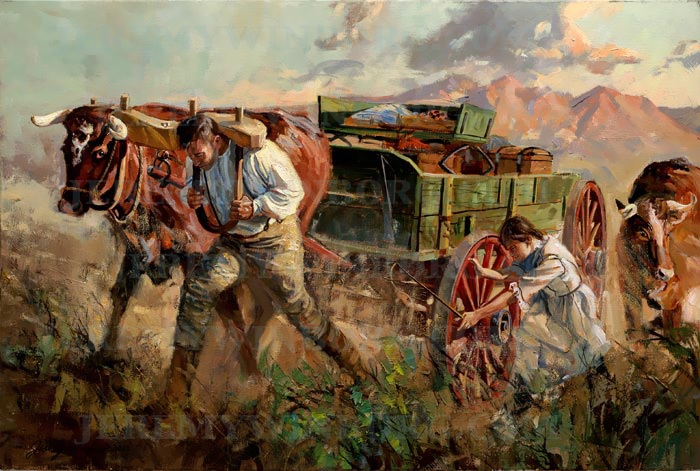
pioneer man must replace his oxen after it dies

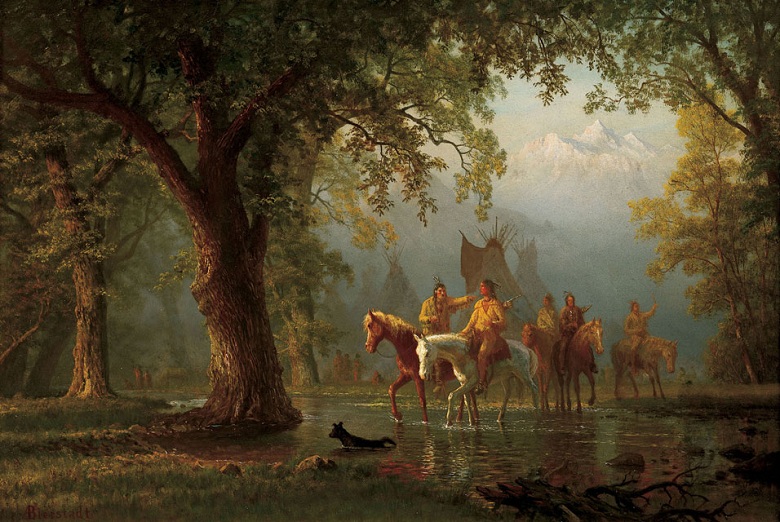
People really should avert their gaze from the modern survival thinking for just a bit and also look at how the guys who wandered the west 150 or so years ago did it.

1.Community – We were not meant to survive in isolation forever. There are many skills we can learn from one another. Nothing will help people survive more than a tight knit community that cares for its members. In this community, you will find different skills, access to different resources, and a psychological morale improvement. Finding others with the same mindset will help you survive long-term, and make the situation far more bearable than braving the dark times alone.

Turns out the popular image of the Old West as a place where manly men solved their differences by shooting themselves in the face simply isn’t true. People were more likely to cooperate than fight – in a harsh and lawless world, it was better to side with your neighbor for mutual benefit than start shooting. One estimate places the number of bank robberies at about a dozen for the entire frontier period.

2.Many small towns in the Texas Hill Country have a secret. Beneath our town’s main street are old tunnels that were built to protect settlers in case of Indian raids. That makes me feel a little safer next time I shop for pickles knowing that if a nuclear bomb goes off my family can go underground. Build or have in mind a hideout in your BOL or better said a hideout in your hideout.

3.We don’t dial 911” – there won’t be any. Every type of gun known to man is here to protect their family and property. A good rule is to honk first when driving up unexpectedly to a ranch so as not to spook anyone.  Watching those old cowboy movies gave me a good idea: use both hands when shooting guns.

4.Shooting your dinner. Or shooting to protect yourself. Learn to hit something with a bullet and you’ll be better fed and it may even keep you and your family alive.

5.Repairing guns and reusing ammo. Limited or no ammo availability for my SHTF Guns meant the brass has to last as long as possible. Semi-auto rifles are harder on brass than bolt, falling block or other type’s rifles. With semi-autos, you have brass elongation; you need to trim your brass frequently, full-length size on every load. And after a few reloads, you basically run out of brass life.

A broken gunstock could be repaired with rawhide. The wet, pliable hide would be stretched over the broken pieces at the break, then either laced or nailed in place. As the rawhide dried it shrank, holding the broken stock together as effectively as if it had been replaced.

6.Stockpiling Wood and keeping warm was a chore in winter. About the only thing folks had to burn was wood. There was a woodpile or a woodshed associated with just about every house. There were no iron stoves in early Texas – they didn’t start coming in until late in the Republic period. Heat came from a fireplace, & it generally wasn’t very effective. Along the Rio Grande, especially in the poorer regions, there were no fireplaces in houses. That’s because Spain & later Mexico taxed chimneys. Those people cooked out-of-doors. Because they mostly built of adobe, their house – walls were very thick, so even a small fire indoors would keep the place fairly warm. In summer going into a properly – built adobe house is like walking into a cave. They stay fairly cool even on the hottest days.

7.Brain Tanning Leather – learning the process of skinning a deer, fleshing, stretching, drying, scraping, soaking, brain tanning, and then smoking the hide to waterproof. Deer hides, horse hides, coon hides – was used for just about everything, & rawhide was very useful. It used to be called ‘Mexican iron.’ The stuff is stiff as a plank, but if you put it in boiling water for a while, it becomes pliable. You can then use it in place of nails to tie a corral’s stringers to the posts. As it dried it would shrink, holding the stringers as effectively as nails.

8.Mostly, clothing was hand-made on the frontier. Almost any source of cloth could be used to make shirts or dresses. One of the reasons floursacks, for many years, were made of patterned cloth, was the fact that women collected them to make shirts or dresses, for themselves, their husbands, & their children. I can remember when I was a kid, farm ladies using white flour sacks to make children’s underwear.

9.Blacksmithing. Being able to make something useful like a horseshoe, tool, or cooking utensil from scrap metal could come in very handy. This is a skill people will barter for. Blacksmith work does require a good deal of practice and some special equipment, but it’s a skill worth learning and the learning curve is cut a bit if you already know how to weld or do other metal work.

10.Preserving food without a fridge. Many people have forgotten this old method of preserving food, especially meet. Here is one of the easiest methods available and doesn’t take much time.  You will need fresh pork, pickling salt, brown sugar, and crocks or jars for storage.

First, cut the pork into slabs. Generally, four- to six-inch slabs work best. Mix 1/2 pound of pickling salt with 1/4 cup of brown sugar. This is enough to cover twelve pounds of pork. Liberally cover the pork with this mixture. Next, pack the meat into sterilized crocks or jars. You should make sure it is tightly packed. Cover the meat with cheesecloth.

Using the temperature chart of your house, determine where to store your crocks. You need to keep the meat in an area that is about 36°F – no higher than 38°F. You also do not want an area that could see freezing temperatures. Leave the meat in this cool storage for at least one month. After that time, you can wrap the meat in plastic or moisture-proof paper and leave it stored all winter. You now have salt-cured pork for any occasion.

Many older people remember having a smokehouse on their land when they were young. Meat would be salted and hung to cure in these cool, dry areas. You could build a storage room for handing meat without too much work. The room should have excellent air circulation and stay cool without freezing.

Canned Meat – If you are familiar with canning fruits and vegetables, you should know that you can also can meat. You have to make sure you get the temperature of the meat high enough to kill bacteria before it seals. Chicken and beef are good options for canning, as are fish. You can cook the meat before you can and seal it. For example, you could make beef stew and preserve it in cans. Stewed chicken also cans and preserves well. Raw packing is another option you can try as well.

11.Navigation and Orientation – basic compass, map, landmarks; preparation for traveling outdoors; reading nature signs, stars, and sun to navigate through wilderness; knowing the best routes and time to travel.

Whether someone is going to bug in or bug out to somewhere safer, they need to know where they plan to take a stand and stay. Transportation is a very important issue to consider and how much of what they have can be moved to where they are planning to go. Fuel will be a huge consideration as the lack of it prohibits how far someone can go. Something else everyone should understand is how to read maps. You will likely not have any GPS system to guide you and the good old fashioned paper map may be the only way to show you where you are going. Understanding topographic maps is also key here

12.Trapping – trapping animals for clothing and food; using dead falls and snares; proper preparation of traps; understanding their use and safety.

13.Gardening.  and fruits, knowing soil conditions, how to get water to your plants, extending your harvest season, and common garden pests will be vital to having a continuous food supply. Check out The Forgotten Skills of Self-Sufficiency Used by the Mormon Pioneers for some great old-time gardening tips.

14.Saving seeds. The other end of gardening is being able to plant again next year. Saving seed can be kind of intimidating and mysterious, especially for plants like carrots that don’t go to seed in their first growing season. Start with non-hybrid seeds and a reference book like Seed to Seed and practice saving some kind of seed from your next garden. This is definitely a learned skill, but could be vital to a continued food supply.

15.Building a home, or another shelter, or a fort, or a fence. Knowing how to use hand tools and simple machines will go a long way if you have to rebuild.

16.Start a Fire without Matches and learn how to keep the fire going 24/7. Prepare your fireboard. Cut a groove in the fireboard. This will be your track for the spindle.

Take the tip of your spindle and place it in the groove of your fireboard. Start rubbing the tip of the spindle up and down the groove.

Have your tinder nest at the end of the fireboard, so that you’ll plow embers into as you’re rubbing. Once you catch one, blow the nest gently and get that fire going.

17.Cooking over a fire. You may have other methods to cook your food available, like a solar oven or barbeque grill, but an open fire is the most primitive and one of the most common means of cooking in a grid down emergency.

18.Tracking – identifying animal tracks; understanding process of tracking.

19.The Bee Hunter. One of the most important men on the frontier was the bee hunter. Sugar was almost impossible to come by. Honey, which was called ‘long sweetenin” in Texas, was the only source of sweetening for many years.

20.Knowing and preparing wild edibles. Which plants in your area are safe to eat and what parts of them are edible? A little foraging can add variety to your diet or even sustain life if there’s nothing else to eat.

21.Learn how to maintain light at night. One of the most depressing situations is to spend night in near to total darkness. Besides this, not being able to see at night is dangerous. Learning how to make candles and wicks should be a skill to consider learning. Fats and other oils will burn and can be obtained throughout nature and the outdoors. Long term solar battery rechargers for flashlights and LED battery powered lanterns are another option.

22.Maintain proper hygiene. This is one of the top priorities because disease and sickness can and do take down the toughest man. People must realize that after a terrible disaster it is not like someone that goes camping, comes back dirty, and takes a nice long shower or a hot bath. After SHTF the water to the faucets, as well the hot water heater, may not work. Bathing on at least a semi-regular basis is necessary to avoid all sorts of bacteria from building up on the skin and causing a variety of health concerning ailments that will then have to be treated. People should plan on just how they will keep themselves clean, even thinking about sponge baths as an option.

23.A car or a horse?

Some people say about SHTF that unless you’re living on an oil well or in a gas tank you won’t have access to gas.

Riding a horse. They make this look easy in the movies, but there is a learning curve involved. A horse is transportation, a pack animal, and a friend. Learning to ride one can get you places when roads are impassable or vehicles aren’t working. Plus, your gas reserves won’t last forever when SHTF.

Texans love all kinds of horse powered transportation. Should an EMP attack render cars useless, they’ll get around riding their horses or driving their horse drawn carriages, buggy’s, hay wagons, chuck wagons and buck board wagons. During the summer on country roads you can run into wagon trains filled with hundreds of people driving their wagons, which is an awesome sight to behold! And yes they still ride their horses into town for a coke, hamburger and even a beer.

There were vast herds of wild horses in early Texas. The horses were considered an excellent source of meat. Many of them were shot for food. Others were captured, but if a horse resisted being tamed and saddle-broke, it usually wound up on the table.

24. Herbal remedies. When the doctor’s not around, knowing which herbs to use and how to use them to treat common ailments like cough, fever, headache, etc. can be a great blessing to your family or others around that may need the help.

25.Learn first aid. Treating yourself and or others will probably be the only thing someone can do as medical professionals are going to be few and far between. Many places offer free classes on first aid because they want people in the community to be prepared. A good first aid book along with a first aid kit is something every household should have before, during, and after a disaster. Primitive conditions should be expected when anyone is helping someone after a catastrophe. A stockpile of antibiotics are always a good idea. Even acquiring the skill of making your own antibiotics can save lives as infection is something that will become an epidemic, especially with minor cuts and abrasives that are sure to be plenty.

26.Don’t throw away anything that may be useful at some point. Personally, I don’t like to keep too many things in my house. So I throw away much stuff. And most of us do that because we know that if we have to, we can immediately buy another one. But our grandparents NEVER threw away jars, plastic bags, casseroles, boxes, cans, metal in general.

27.Stealth. While the survivalist mindset might seem to stem from weathering bad times, it is actually based in a basic enjoyment of nature. Nature is a gift, and the ability to live comfortably from its provisions is one of the most life-changing experiences a person can ever have. The art of survival seems to have been lost over the years, but before the technology boom in the last century, it was commonplace to know and understand survivalist principles.

One of the most basic skills when in the wild is a combination of two methods. These methods are called the “Fox Walk” and “Wide-Angle Vision.” These were the basic “bread and butter” of how tribal populations would hunt and stalk without leaving any trace. Learning lessons from these peoples, it has enlightened us on how to live from the land.

28.How to pan for gold – Although gold pans were much in evidence during the early days of the Gold Rush, miners used them less and less as time went on and they created better gold extraction devices but much more expensive. Even today, however, some gold seekers will use the light and simple pans for prospecting, systematically sampling gravels as they work up a stream, for example, and knowing that when the gold “color” stops, a vein or two of gold feeding into the stream may be close at hand.

29.Understand the psychology of desperate people. This is a difficult one. After a SHTF event people are going to, simply put, go crazy. That neighbor that was in control during many minor emergencies may be the one pounding on your door with whacked out eyes demanding what you have because they did not prepare for anything. In the Wild West most of the travelers when they spotted another traveler – they went around him thinking it’s wiser not to encounter at all.

30.Every cowboy knows that a rope is an important tool. Sure they can lasso a cow, but it serves so many other uses that it would be impossible to list. Suffice to say that that’s one thing that you never can have enough of and I’ve been known to use my son’s lariat in a pinch to tie down furniture on the utility trailer.

If you’re interested in learning more old remedies, you should read The Lost Book Of Remedies.

The physical book has 300 pages, with 3 colored pictures for every plant and for every medicine.

Lost Book of Remedies pages

It was written by Claude Davis, whose grandfather was one of the greatest healers in America. Claude took his grandfather’s lifelong plant journal, which he used to treat thousands of people, and adapted it into this book.

Learn More…
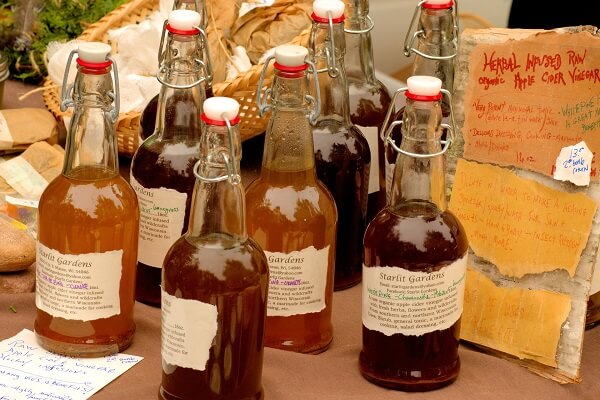
Lost Book of Remedies cover

5 Common ‘Miracle Trees’ The Native Americans Used For Medicine

Albert_Bierstadt,_Departure_of_an_Indian_War_Party

It must have been a long process of trial and error. How do you figure out that a plant or tree can have medicinal benefits? Obviously, some Native Americans, as well as many other ancient cultures from China to the Incas and Aztecs, found solace and relief from plants that surrounded them.

Significantly, many of those natural cures were derived from trees. Typically, it was the inner bark of the trees or the xylem that provided the most potent mix of natural elements with curative properties. However, there are some exceptions, such as the needles of pines and the berries from Juniper trees.

We’re going to explore five common trees in North America that continue to be used for various medicinal purposes. They are:

  • White pine
  • White willow
  • Slippery elm
  • Juniper
  • Poplar

We’ll also review what type of preparation was used and how to prepare it for home use. A word of caution is related to allergies and dosage. Home preparation of natural cures is not always an exact science. Just as important, different people respond to these natural treatments in different ways, depending on their body weight and predisposition to allergies. In all cases, you should first consult your doctor. Take a low dose of any natural preparation you make, such as a teaspoon or less, to assess your body’s response. You should also avoid giving these natural treatments to young children.

Are you ready to turn back the clocks to the 1800’s for up to three years? Our grandfathers and great-grandfathers were the last generation to practice the basic things that we call survival skills now…
WATCH THIS VIDEO and you will find many interesting things!

lost-ways

Bark and needles of pine were available year-round and used regardless of weather or season.  However, warmer months often provided the best concentration of ingredients due to the fact that the sap was still flowing in the xylem of the trees.

An infusion was the most common preparation technique. It’s essentially a tea made by soaking the inner bark or crushed pine needles in very hot, but not boiling water. Boiling water can break down some of the beneficial compounds. The steeping time was usually 5 to 20 minutes. The longer the steep the more concentrated the ingredients, so take good notes if you choose to make your own preparations to determine tolerable dosages.

Poultices were also used frequently to treat external afflictions. This involves an infusion or crushed ingredients that are saturated into a piece of cloth and applied to the skin where the pain or affliction is located.

As we’ve already noted, time of year in addition to the general health and age of the tree can also affect concentration of ingredients, so you may have to take that into account as well.

1. White pine

While the inner bark is often used as an infusion, the young shoots, twigs, pitch and needles of white pine were also used by Native Americans to treat a variety of conditions both internally and externally.

The pitch or pine sap was used as a poultice on a hot cloth and applied to the chest to treat coughs and pneumonia. Pitch applied directly to the skin was used to draw out boils, abscesses and splinters. It also was used as a poultice for wounds or sores.

An infusion of the crushed pine needles, often combined with the inner bark and young shoots, was used to treat colds, fever, heartburn, croup, laryngitis, bronchitis and coughs.

The scent of the white pine itself has aroma therapy properties, especially when applied externally to the chest or throat as a poultice for cough or sore throats.

2. White willow

We’ve covered the health benefits of willow bark in the past, but the medicinal value is so significant it makes sense to revisit the benefits. All willow trees have a chemical element called “salicin” in the inner, xylem bark. White willow has the highest concentrations. A German chemist synthesized this element in the 1800s and developed a tablet with both pain-relieving and fever-reducing properties. The chemist’s last name was “Bayer,” and the tablet he invented was called “aspirin.”

Native Americans would steep the xylem from the inner bark of the white willow in very hot water and drink it as a pain reliever and to reduce fever. One of the side benefits of this infusion for some people is that it does not thin the blood like regular aspirin. This has value for people on blood thinners, people with naturally thin blood due to genetics or diet, and people afflicted with hemophilia.

3. Slippery elm

Slippery Elm preparations were made from the inner bark and in some instances, the leaves. Once again, an infusion was made by Native Americans, often with a combination of inner bark and crushed leaves and used to treat digestive disorders, gastrointestinal conditions, gout, arthritis, stomach aches and sore throat. It also was used as a mouthwash or gargle to treat sore throat, mouth ulcers and toothache. As an external treatment it was used as a wash or poultice to treat skin conditions, hemorrhoids and insect bites.

As a poultice the infusion is poured into a piece of fabric and applied to the skin. It is said to have significant benefits for pain reduction, inflammation of wounds, boils, burns and skin ulcers. One recipe calls for five tablespoons of ground inner bark infused in a very hot cup of water and strained to make the basic infusion that can be either sipped or used as a wash or poultice. Here again, take a little at a time to assess its concentration and your reaction to the compound if you choose to use it as an herbal remedy.

4. Juniper

The Juniper is an evergreen that grows around the world. The small, round bluish berries are the primary flavor ingredient in gin. When the berries are fully ripe in late summer, Native Americans would eat them off the tree to treat kidney, bladder and urinary tract conditions, digestive disorders, gum disease, diarrhea, gout and arthritis, and rheumatic conditions.

There are some cautions to keep in mind. It’s believed that Juniper berries can cause miscarriage in pregnant women, and high doses can irritate the urinary tract. It also shouldn’t be given to children, considering their low body weight and the potential for even the smallest dosage to be too high.

5. Poplar buds

Poplar trees are ubiquitous across North America, and in the spring Native Americans used the poplar buds as a topical treatment for muscle soreness and headaches when applied to the brow as a poultice. The buds were usually ground, and the sticky result was applied to the skin, around painful joints or bruises or anywhere else localized pain occurred, including insect bites. It is not intended for internal use but as a topical treatment only.

The key ingredient in poplar buds that makes them effective as a topical pain reliever has a familiar name: salicin. This is the same chemical found in willow bark and used as the base ingredient in aspirin.

If you’re interested in learning more old remedies, you should read The Lost Book Of Remedies.

The physical book has 300 pages, with 3 colored pictures for every plant and for every medicine.

Lost Book of Remedies pages

It was written by Claude Davis, whose grandfather was one of the greatest healers in America. Claude took his grandfather’s lifelong plant journal, which he used to treat thousands of people, and adapted it into this book.

Learn More…
Lost Book of Remedies cover