The Reality Of U.S. Economic Slowdown: The Longer This Shutdown Has Continued, The More Evidence We Have Seen That The Government Employees Are Facing Severe Hardships

us-stockmarket-crash-640x425

Average Americans Struggling Says Economic Growth May Not Be Real

At the time of this writing, the U.S. government is in a partial shutdown, and it has been going on for several weeks. The shutdown has revealed something significant about the U.S. economy: there isn’t much economic growth.

You see, economic growth occurs when the general standard of living improves—when average Americans have savings, better-paying jobs, optimism about the future, and so on and so forth.

This, however, is not the case these days.

The partial U.S. government shutdown means that close to a million government employees have been furloughed.

What happens to furloughed workers? They are not working and are not getting paid. However, they are still promised back pay.

The longer this shutdown has continued, the more evidence we have seen that the government employees are facing severe hardships.

The Brookings Institutes states, “Furloughed workers have already started taking steps all too common to families living paycheck to paycheck: curtailing spending, increasing credit card debt, delaying paying bills, and seeking short-term, small dollar credit.” (Source: “Furloughed workers are facing an all-too-common problem for many Americans—living paycheck to paycheck,” Brookings Institute, January 17, 2019.)

What does this say? Americans are strapped for cash.

Mind you, federal government workers get paid relatively higher wages compared to workers doing similar jobs in the private sector. So, imagine what would happen if Americans in the private sector were told that they would not be getting their paychecks for a few weeks. Would they be able to sustain themselves for long?

55% of Americans Face Volatility in Their Paychecks

Don’t think it’s only the furloughed government workers who are facing hardships in the U.S. economy. It’s important that you also look at the overall conditions of workers’ paychecks.

According to a study by the JPMorgan & Chase Co. Institute, 55% of American workers experienced volatility in their paychecks of 30% on a month-to-month basis. (Source: “Paychecks, Paydays, and the Online Platform Economy,” JPMorgan & Chase Co. Institute, last accessed January 21, 2019.)

Where’s the U.S. Economy Headed Next?

Dear reader, looking at all this, I am just going to ask one question: If this is what economic growth looks like, how dire will the economic slowdown be?

I believe that things in the past few years have been taken out of context. Everyone looked at the stock market as an indicator of economic growth in the U.S. economy. The thinking has been, “if the stock market is rising, the average American is doing alright.”

This, however, is not true.

Stock markets were boosted due to low interest rates and all the easy money that was around. Average Americans weren’t buying a lot of stocks, though.

Mind you, in every economic growth period in the U.S. economy, there was one factor that played a major role: average Americans spending money.

In the coming quarters, I will continue to watch the U.S. economic data closely. This data is making a strong case that an economic slowdown is ahead.

In A Long Term Grid Down Situation Where Society Breaks Down, Many People Would Die And Those That Hold The Keys To Our Technology Would Be Among Them

original

When technology fails society is suddenly limited to the resources it needs that are already produced and on hand for immediate use. If water suddenly stops being purified and pumped through the lines, you are limited to what you now have in the lines or storage tanks. Gas stations are limited to the fuel they have in storage tanks. Stores are limited to the food and clothing they have on hand. The failure of technology will stop water from being replaced, sewage from being removed, refrigeration from keeping foods edible, light from illuminating dark areas that must be traversed, elevators from getting people to upper floors, gas and electric for heating and cooking, water for fighting fires, communications for calling for help and medical devices to keep people alive.

The reason everything will stop is because of another word to remember, infrastructure. Without infrastructure nothing gets done, even on a simple basis. You cannot cook food without some type of infrastructure to produce heat, you cannot store food without some type of storage to keep it cold or some type of container to keep it protected from rodents and the environment. You cannot process or store food without equipment to cut, grind, dry, smoke, can or root cellar it. You cannot harvest, plant or grow food without some type of equipment to do those jobs.

The original definition of an acre was the amount of ground a farmer could plow in a full day. Farmers now plant hundreds of acres a day to keep Americans fed. With no modern equipment, how many acres can a farmer plant even if he had a trained team of horses and the equipment to pull behind them? Let us not forget that 2 percent of the population now grows the food for the whole country. How much would they now be able to produce even if they had the necessary equipment to do it manually? Let us also not forget that farmers need to buy their seed every year to plant. Very few individuals raise heritage seeds that they can plant every year from their own production. Where would these seeds now come from? Farmers also need lots of fertilizer to make these plants grow, where would that fertilizer come from? Many farms need irrigation to grow plants, so where would the power come from to pump that water? The age old practice of utilizing animal manure to fertilize fields only works if the farmer has livestock to produce that manure. Once harvested, how will that food now get transported to distant markets? How will farmers know where to send it without communications? A telegraph system is simple but must be built before it can be used.

Many people think that if technology fails we will simply live as past generations have but they conveniently neglect the fact that regardless of what systems you use you must have the infrastructure to provide for that system. If you go from mail to telegraphs or from analog to digital technology the problems are the same, you must have the infrastructure in place to switch to first. It is true we know how to build the older technology but where will the resources come from to actually build it? Remember, once technology fails you are somewhat limited to what you have on hand to work with.

If we had to return to 1880’s living, how many people have a team of horses, a wagon to hook them to, a butter churn, a grain mill, cheese making supplies, candles, oil lamps, matches, wood cook stoves, blacksmith supplies, hand pumps or dug wells? People were able to live back then because they had the infrastructure to do so. This is what many people do not understand. How hard would it be for us to go back to vacuum tube technology now without the infrastructure to support it, even if we do know how to build it?

In 1776 America, about 40% of men worked their own farm. Another 30% worked as laborers on farms. About 20% owned large commercial farms or plantations. The remaining 10% or so who were professional businessmen frequently owned modest farms where they might raise a cow, some chickens and have a garden to provide for the home table. Even those town people that had no farm usually had a cow, some chickens and a kitchen garden for home use. To go back to this model would be difficult if not impossible for many reasons only one of which is the fact that city dwellers have no room for gardens or the infrastructure to maintain cows and chickens on the large scale that would be needed.

The other thing that many people ignore are the skills required to live in a different system. Most people cannot simply plant seeds and suddenly become a great gardener. They do not know how to make cheese or how to improvise cheese making supplies from items now in the home. They do not know how to make soap or candles or something as simple as toilet paper. A roll of paper seems simple in design but how many know how to process wood pulp or other fibers to make paper? It does not matter if you are making ten thousand rolls in a factory or one roll at home, you need the skills and infrastructure to do it.

Skills come in many forms but the skills that society depends on the most are the craftsmen and engineers that design and build the technology we depend on. Without their knowledge, it would be difficult to replace the technology we now use. How many people know how to rebuild and maintain the phone system we now use? How many people know how to build and repair refrigeration units or make electric motors? How many people know how to refine oil into gasoline and diesel and make plastics and all the other things from petroleum?

In a long term grid down situation where society breaks down, many people would die and those that hold the keys to our technology would be among them. The longer the duration of disruption, the less likely it would be that those who could rebuild the systems would be able to do so. It is a situation where society’s capabilities decrease as time goes on.

Many people talk of hunting and fishing to fulfill their dietary needs but if even ten percent of the nation decides to do the same due to necessity, how long will the game and fish last before it is all gone? Even if you have some food and seeds to plant, it will take time to grow new supplies. In the days following an event, those that are not prepared will seek out supplies from those that have them, including those that have gardens. It is for this reason that it will be difficult to grow replacement supplies for the first one or two years following an event in most places. This would necessitate those that have supplies be able to support themselves and their families until new crops could be produced. The less prepared the population is the longer your initial supplies will need to last.

Once you take into account these things it becomes evident that it would not be easy to revert to an earlier type of system without major disruptions. It is for these reasons that it becomes necessary for the population in general to have the necessary resources to tide them over until infrastructure and skills can adjust to the new reality people find themselves in.

During the cold war the government maintained three years worth of grain in reserve to feed the population until agriculture could recover after a major attack. Today the government keeps little in the way of food for the entire nation. If something happens they depend on resources coming from unaffected areas of the country to help. In a nationwide disaster, there may not be any help to send. This is the reason individuals need to keep the necessary resources on hand to tide them over until the system can be stabilized in some way and some technology can come back on line.

Unfortunately in a worse case disaster, this would only buy some of the population a little time. If the technology we depend on is offline for longer than the resources that are available to the population last, then a mass die-off would ,occur. It is important to remember that only 2% of the nation farms today. Without the modern systems to farm large tracts of land, it would be impossible for any small percentage of the population to feed the whole nation utilizing older, manual techniques. The population would decrease until technology was sufficient to support the population. This would hold true for other parts of the system such as clothing production and healthcare as well.

Because of the high impact this scenario would have on the population, that is the reason people need to resolve to store supplies and resources to care for themselves in the unlikely event this happens. The possession of basic food supplies, medicines, toiletries, energy supplies and alternative transportation and communication systems can provide society the room it needs to extract itself from the worst of the situation. The lack of preparedness will only insure a higher casualty rate and more destruction of surviving infrastructure in the aftermath of an event. The lower the preparedness level of society, the less likely society will be able to survive and rebuild itself.

A Different Scenario – A Nuclear Power Plan: Defending Against Radiation and Fallout From a Nuclear Nightmare

One of the classic doomsday scenarios, often inappropriately given way more prominence than it deserves, is some type of nuclear event that results in a massive release of radiation.

Let’s understand the nature of radiation and fallout risks – from that understanding can follow a better appreciation of what one needs to protect against and how to do so.  The two terms are sometimes used interchangeably, but they are importantly different.

What is Radiation

The term ‘radiation’ covers a lot of different things.  Light is a form of radiation.  So are radio waves.  But for our purposes, radiation can be split into two types.  The first type is relatively safe, and is termed ‘non-ionizing’ radiation, and this includes radio and light waves, plus heat, sound, and various other things.  Non-ionizing radiation is a type of radiation that isn’t thought to make changes to the atomic structure of things it comes into contact with, but it may cause other sorts of changes or side-effects (as you’ll know any time you stick something in a microwave oven, which uses non-ionizing radiation to cook the food you placed in it), so it is not necessarily completely safe.

Our discussion in this article however is about ionizing radiation.  This is radiation that can change the make up of the individual atoms in things it comes into contact with.  That is almost always a bad thing, and in particular, it can break up DNA in living tissues, which can lead to the formation of cancers.

There are five major and relevant types of ionizing radiation, termed alpha, beta, gamma, neutron and X-ray.  Cosmic rays (primarily protons) are also ionizing, but they are a constant thing that does not change with a nuclear explosion, and so we can ignore them for this article’s purposes.

Let’s consider the main properties of these five types of radiation (and for the nuclear physicists reading, yes, we have simplified things somewhat, but hopefully have not compromised the overall accuracy of the article).

Alpha radiation

Alpha particles are the same as Helium-4 nuclei.  They comprise two protons and two neutrons.  They travel at about 5% of the speed of light (ie at a speed of about 10,000 miles in a second) but they are very short range – they typically only travel a couple of inches in air, and can be stopped by a single sheet of paper.

Because of their short-range and low penetration, alpha particles are not much of a problem.

Beta radiation

Beta particles are typically electrons (if you wanted to be fastidious you could say there may be some anti-matter positrons briefly present too, but let’s not dwell on that).  They are typically very fast-moving, and can travel greater distances than alpha particles, and will penetrate further as well (which is sort of implied by their greater range, of course).  They will be blocked by about 1/10th of an inch of aluminum or other metal, or by an inch or more of plastic.

Gamma radiation

Gamma rays are ‘highly energetic photons’.  In case that doesn’t explain much to you, they are fast-moving things (they travel at almost the speed of light) with no mass and no electric charge.  This makes them hard to block, and they can penetrate a considerable distance through most materials.  As a simplification, the more mass of material between you and the gamma rays, the better the material will act to attenuate (ie reduce) the amount of gamma radiation passing through it.

Gamma rays have an effective danger range of only a few miles, by which stage so few will remain as to no longer be harmful.  Depending on the magnitude of the original explosion and the amount of gamma rays released, this danger range is anywhere from under one mile to perhaps three miles.

Neutron radiation

Neutron radiation is – as its name implies – a stream of the sub-atomic particles we call neutrons.  It is also fast-moving, at a similar speed to that of alpha particles.

This type of radiation is nasty.  When a neutron hits an atom, it can change the atom into a different substance, and it can change a stable substance into an unstable (and therefore radioactive) substance.  Neutron radiation of a given level is generally said to be ten times more damaging than gamma or beta radiation.  Oh – and did we mention that they also penetrate very well, requiring a substantial thickness of material to block them.

Water and concrete are good blocking materials.

Neutron radiation has slightly less range than gamma radiation.

X-rays

X-rays are similar to gamma rays and are sometimes released as secondary radiation as part of a radiation event, but are not a primary product released by radioactive material, and so can be ignored for the purpose of this article.

The Shared and Relevant Characteristics of Radiation

The previous section looked at five different types of ionizing radiation, all of which is harmful to living creatures.  They share a couple of important properties – they are all very fast-moving (even the slowest moves at a rate of about 10,000 miles per second) and they are all very small – some are so small as to have no mass or size at all (yes, we know that doesn’t sound sensible, but it is what it is).

They also have moderately short ranges – generally less than 5 miles, and sometimes less than 5 inches.

A nuclear explosion will almost instantly release lots of radiation, and in only a second or so, not only will this radiation have been released, but it will have also traveled as far as it is going to go.  In other words, if you see a nuclear explosion, by the time your eyes have blinked from the bright flash, you’ve already received all the radiation you’re going to get from the immediate explosion itself.

Depending on where you are, that is either a good thing or a bad thing.

What is Fallout

So, what is fallout?  Fallout is all the ‘stuff’ that was in and around the bomb.  Some of this was radioactive to start with – by which we mean, it was emitting ionizing radiation.  Some of the rest of it has become radioactive, as a result of neutron radiation changing the properties of the elements and making them into new radioactive elements.  To be pedantic, you could term this ‘radioactive fallout’ but it seems to often be referred to merely as ‘fallout’, even though not all fallout is necessarily radioactive (but, to a greater or lesser extent, most of it is).

In the case of a bomb that is exploded in the air, most of this fallout material is simply the remains of the bomb itself.  But if a bomb is exploded close to, on, or in the ground, then the neutrons from the initial explosion will react with the soil and any other materials close at hand (buildings, cars, people, whatever) and will make some of that material radioactive, and the force of the explosion will blow all this material up into the air as well, massively increasing the amount of radioactive stuff up in the air.

So far so good.  Now for the ‘fall’ part of the word fallout.  All that stuff in the air is going to gradually settle back down to earth.  An air explosion will typically blow its remaining ‘stuff’ way up into the upper atmosphere, and it will spread perhaps all around the world and gradually settle, more or less evenly, over a huge portion of the earth’s surface.  This is actually a good thing – there is unlikely to be any massive concentration of radioactive fallout in any one place as a result.

But the ground and near ground bursts are very different.  Some of the material will be hurled up into the upper atmosphere, and will slowly fall down over the weeks and months that follow, all around the world, the same as air burst type fallout.  But some of it will only go up a relatively small distance and will fall back to earth more quickly (usually within 24 hours), and more intensely.  Depending on things like wind and rain, this material is likely to come back down to earth in the area downwind of the explosion, and perhaps spread out over 50 – 300 miles.

A ground burst not only creates a massively greater amount of radioactive fallout, but it deposits it more quickly and in a more concentrated pattern.  This is all bad.

Fallout particles range in size from less than 0.1 microns in diameter up to many microns in diameter.  They are dangerous because wherever they land, they are emitting whatever type of radiation it is they will emit.  They can potentially be breathed in to your lungs, and – for example – if you then have an alpha radiation emitter in your lungs, it doesn’t matter that the alpha particles only travel an inch or two and are stopped even by a sheet of paper, because wherever it is they stop, and whatever damage they then do, it will be inside you and to part of you.

Not only can you breathe fallout particles in, you can ingest them from the water you drink, and the food you eat.  Plus, the vegetables and animals you in turn eat or take milk from are doing the same things, and so your food may not only have surface contamination, but may have internal contamination too.  You can reasonably wash fallout off the outside of some food, but you can’t get rid of it once it has become a part of the thing, itself.

How Long is Fallout Dangerous For?

There’s no exact answer to this, any more than there’s an answer to the question ‘How high is up?’.  The danger life of fallout depends on several things – the level of radiation being emitted, and the half-life of the radioactive materials in the fallout.  Fall-out has a veritable soup of different radioactive substances in it, all with different properties.

The ‘half-life’ of something is the time it takes to reduce in activity by 50%.  Half-lives can range in duration from the tiniest fraction of a second at one extreme, to thousands of years at the other extreme.

To give an example of how half-lives work, let’s say there is a product with a 10 day half-life.  If it is emitting 1024 units of radiation a second at the start of the measuring period, then in 10 days it will be emitting half that rate, 512 units/second.  Now for the trick.  In another ten days time, it doesn’t use up the other half, and drop to zero.  Instead, it uses up half of what remains, so it loses half of the 512 units, and at the end of the 20 days, it will be emitting 256 units of radiation/second.

In another 10 days (30 days total), it will be down to 128 units of activity per second.  At the 40 day point it is down to 64 units, at 50 days it is 32 units, and at 60 days – two months – it is now down to 16 units.

So the rate of reduction of radioactivity slows down.  The first 10 days saw a drop from 1024 units of radiation a second down to 512 units/second.  But the ten days from 60 days to 70 days sees a reduction from 16 down to 8 units – not really much of a change at all.  Furthermore, it sort of never ever gets all the way to zero.  When it is down to 1 unit, the next half-life period takes it to 0.5 units, then to 0.25, and so on down and down but never quite reaching zero.

If the acceptable level of radiation is, say, 10 units/second, then at the 70 day point, when it is down to 8 units a second, it has become relatively ‘safe’, and at the 80 day point and only 4 units a second, it is even safer still, and at 100 days (1 unit/second) you sort of forget about it entirely.

The good news is that many of the most radioactive substances have relatively short half-lives – their half-lives are short because they are so radioactive.  So while you read about radioactive contaminated materials with half-lives of thousands of years, it is usually the case that these very long-lived substances only emit low levels of radiation.

Defending Against Radiation and Fallout From a Nuclear Explosion

Your best defense against the initial release of radiation is to choose your location carefully, so you’re not within range of any likely targets.  If you’re a ‘glass half full’ kinda guy, the ‘good news’ is that if you are within range of the initial radiation release from a nuclear explosion, that is probably the least of your worries.  You’ll probably be toasted to death from the heat, or crushed by the blast, long before the radiation kills you.

The bigger risk is the fallout from the blast.  Again, you should choose your location as wisely as you can.  As long as you can keep at least 20 miles from all air-burst targets, you’re probably going to be okay from air burst effects.  Unfortunately, the ground bursts are much more troublesome, because who is to really know which direction for sure will be downwind on the day?  You don’t want to be within several hundred miles of targets that are likely to receive ground bursts.

What types of targets will qualify for ground bursts?  Only specialized targets, because for general effect and damage, air bursts are much more effective.  But things like missile silos will definitely get ground bursts, and depending on their nature, other ‘hardened targets’ may also get ground bursts.

There’s another factor at play, too.  Fratricide and general errors, failures and mistake.  Not all missiles that are sent in our direction are guaranteed to explode exactly on their designated targets, and at the heights programmed into their warheads.  Some may explode high, others low, and some might go way off target.  Not only are ICBMs a little-tested technology, but routes over the North Pole are difficult to navigate, and with the very high re-entry speeds, even  a slight second of delay can mean a missile is way off course or too high or too low.  Add to that possible distortions caused by anti-missile events, and also what is termed ‘fratricide’ – the result of one missile’s detonation impacting on other missiles close to it, and a high intensity exchange of warheads could well end up with explosions going off hundreds of miles from where they were planned.

So the further away you are from anywhere that might receive any type of attack, the better you’ll be.

Now, for the fallout protection.  If you end up getting a bucket load of high intensity fall-out dumped on you, and survive the initial experience, then you’re just plain completely out of luck for the next some decades, possibly even hundreds of years.  Your only strategy will be to shelter until the fallout has all settled, and then to evacuate to a safer area, probably tens or even hundreds of miles away.

If you however get only a mild level of fallout, you’d be well advised to stay inside and to filter your air supply until the fall-out has done its thing and settled.

Your initial forays outside (ie to sample the area for radioactivity levels) should involve you wearing protective clothing (ideally exposing no skin at all), a breathing mask and goggles, and a decontamination process outside your dwelling prior to re-entering it, so you don’t bring in any radioactive material upon your return.

Opinions differ as to how long to expect radiation levels in fallout to subside – perhaps because different types of nuclear weapons, and different scenarios for their use, result in different mixes of radioactive materials, with different levels of radiation being emitted and different half-lives..  It seems that using three to five weeks as a prudent period to allow for levels to appreciably drop might be appropriate, and so you should factor the ability to survive, entirely inside, for at least twice that period of time, so as to be reasonably well prepared for such situations.

You should also be measuring radioactivity levels yourself, and keeping a record of them so you can try to see what the trend lines suggest (although this is difficult because there are a mix of different materials with differing half-lives, so there is no simple curve that you can plot and extrapolate).

Note also that radiation will probably not be evenly distributed everywhere on your property.  You’ll want to survey the property, and to map out ‘hot spots’ and safe zones, and to then keep away from the hot spots (and/or take steps to mitigate the dangers they pose) while concentrating your ongoing activities in the safer areas.

Beyond that point, practical considerations also intrude.  If it is winter, and there’s no need to be outside, then of course you can play it safer and stay inside more.  But if it is summer and there is work to be done outside, you need to decide what to do, and maybe rotate outside assignments between different people in your community, spreading the exposure more widely.

A Different Scenario – A Nuclear Power Plant Problem

The good thing about a bomb is that it does its work all in a fraction of a second, and after that fraction of a second, it is done and finished.  Sure, you might have to live with the consequences for a long time, but at least the initial event that created the problem has ceased.

But a nuclear power plant problem can be an ongoing issue, that releases nuclear material not just for a split second, but for hours or even days or weeks.  You may have ongoing releases of new material for an extended time.

Perhaps the best (worst?) example of such a scenario occurred in Japan in March 2011 at the Fukushima Daichii power plant in Japan.  An earthquake caused the working reactors at the multi-reactor site to shut down, and emergency diesel power generators started up to keep the cooling pumps circulating water through the power plant cores.  The subsequent tsunami flooded the generator rooms, causing the generators to fail, and without power, the cooling pumps stopped, allowing temperatures in the reactor cores to go dangerously high, with three reactors melting down.

The problems started on 11 March, and significant releases of nuclear materials continued for two weeks or longer (depending on where you draw the line on ‘significant’ releases), and material was still being released a month after the event started.  Here’s a great timeline.

It is probable that less radioactive material, in total, was released at Fukishima than at Chernobyl, but it occurred more recently, over a longer time line, and in full real-time view of the world’s news programs, making it a higher-profile event.

Furthermore, the Chernobyl disaster was relatively short-lived (pretty much all over and done with in less than a day), and we in the west only got wind of it (almost literally so) some time after the problem had been controlled, so there was less opportunity for angst and anguish.

There are a lot of variables at play with a nuclear power plant release of radioactive material.  It could involve any or all types of radiation, and it might be released into the upper atmosphere or instead have a short ride up and a fast ride down again, pooling in concentrated area.  Have a look at this map of contamination levels that were still in place in 1996, ten years after the event, to get a visual feeling for how strange the pattern of radiation concentration can be.

Try and locate up wind of nuclear power plants, and the further away you can be from them, the less risk you’ll run (although note the distribution pattern from Chernobyl where there was a relatively safe zone in the middle distance, with more dangerous areas both closer to the power plant, as you’d expect, but also further away, too).

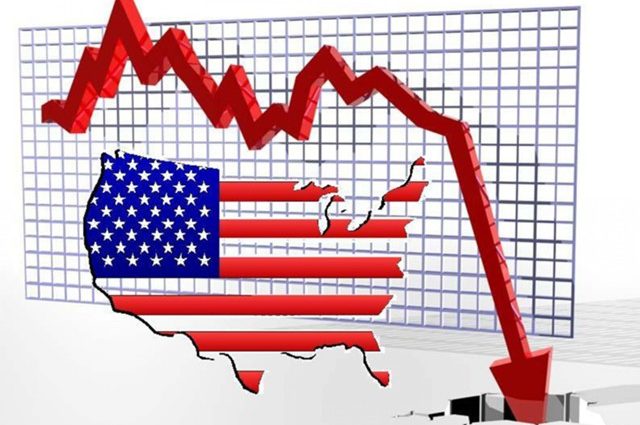
A Depression Era Economics Lesson – When this system fails it will cause much discomfort and even death for some that are not able to adapt to the changing times

economics-final11120x600

When the great depression hit in the 1930’s, many people had a difficult time surviving. When the system they depended on ceased to function properly, they no longer had the ability to earn a living wage and care for their families. Even at a time when you could get a meal for a nickel, many people struggled to feed themselves.

In many rural areas, farmers faced the difficulty of being able to even grow enough to feed themselves. The drought that accompanied the depression left many no choice but to move to more hospitable locations where jobs could be found.

Some people were in a much better position to weather the national problems than others. They were not rich in monetary terms but they had a stable living condition that enabled them to get by as always.

In the rural community that my family had called home for over 100 years, my family got by better than most. The fact that many of the people were watermen, that made their living on the Chesapeake Bay catching various types of seafood throughout the year, made the depression different for them. As my father related to me, they really didn’t know there was a depression going on most of the time.

The men went to work every morning catching what they could. Anything they couldn’t sell was taken home for dinner. Everyone had a garden and maybe some chickens and a hog out back providing meat for the winter. The area was also surrounded by many small farms producing many things they could trade for. Nobody had much money but the area teemed with the things that were needed to get by and barter was the norm.

Electricity was not seen in the community until the late 1940’s and few people had a car. These people really did live off the grid. That was the norm for them and they got by very well even with the national economy in a state of hard times. They could not buy many of the things they needed so those things had to be made out of whatever materials they had.

There are many stories like this that have been told and they are worth listening to once again. These stories provide the foundation people will need when the economy fails again in spectacular fashion leaving many in dire straits. When everything fails you have to go back to what works. That is a lesson that our ancestors have left for us to follow if we have the sense to learn from their hardships.

The current generation has known nothing but excess and prosperity. When the system turns down again they will be lost without all of the creature comforts and gadgets they are used to getting with great ease. They have been raised with the notion that everything is easy and when that paradigm fails they will not know how to cope with reality. This is the problem we face and must deal with in the months to come.

There are two lessons that can be taken from this story. When hard times come your location and creativity can make up for many shortfalls in life. Those things can make the difference between suffering and having a decent standard of living. Living in an area rich with resources allows you to produce many of the things you need locally with little money and can even provide you with a stream of income. The lack of resources in your area can make things very difficult over the long term.

The current generation has lost the ability to trouble shoot the problems they are faced with and come up with simple solutions. Creativity is something many people no longer possess and that is one of the things that will make life hard on them. The greatest generation knew how to devise creative solutions to their problems that allowed them to get by and even prosper. That is a lesson we need to take away from the last depression.

It is good for people to plan for hard times by stocking up, learning to produce food and storing real money for times of need but that will not be enough when the time comes. Your location and the ability to be creative and solve the many problems you will face will be necessary ingredients to surviving the coming hard times. Keeping your plans simple and learning the ways of our grandparents will help in ways we cannot even contemplate at this time but their wisdom will be as critical as your other supplies. One of the many slogans that came from that time is worth remembering.

When the economy as we know it fails, the only thing you can do is to return to an earlier point in time that depended on a simpler more functional system and utilize the available resources. When mechanized farming fails it may be necessary to return to less mechanized methods and cheaper alternatives to grow the food and fibers we need for survival. The thought of having to go backwards to get to the future is not pretty and will likely be difficult but sometimes that is the only way to move forward.

Surviving during a collapsing economy where systems we depend on cease to function requires individual actions to reduce the hardship that will ultimately overwhelm society and cause societal breakdown on most levels. Skills to lessen the hardships are critical to stabilization and recovery. These skills are the only way to utilize available resources to provide the necessities of society. The first things individuals strive to produce are food, shelter and clothing. These are the very basic things people need to survive over time. Later, other things such as security, medicine, communication and transportation become necessary to form a more cohesive community.

The skills to grow and store food, purify water, build shelter, make clothing, produce heat and light, produce energy to power machines, produce medicines and administer healthcare, harvest and move raw materials and communicate over long distances are skills necessary today and will continue to be vital in times of economic distress.

The skills and resources to provide these things are the foundation of a functional society. The lack of these things results in chaos and anarchy that prevents the construction of sustainable systems that a functional society needs to grow. The special skills needed to utilize available resources depends on the location of the person and the natural resources available for development. Because of this, different locations may develop along somewhat different lines but the destination is the same.

The need to know or learn these skills is necessary now while the social situation is stable enough to enable persons to plan and prepare for the hardships we will ultimately face as the economy fails due to fraud and mismanagement. Those with a lack of skills and resources will be a detracting factor on society as hardships increase and constitute an ever present danger for those with the resources to survive the times. These are the things that everyone must prepare for now while the system is still intact. There are no guarantees for tomorrow.

People Are So Busy With Their Phones And Their Own Devices That They Forget To Look Up. Many People Seem To Be Under A Kind Of Satanic Apathy, Or Mind Control

satan-has-a-powerful-tool-to-use-against-good-people.-it-is-distraction.-richard-g.-scott

Most people still do not take the threat of technological disruptions to society seriously. They think that if something happens, someone will fix it and life will go on as normal. What they refuse to contemplate is if something happens and nobody can fix it. As society moves along this technological road they become more dependent on it and the risk to their lives increases as they lose the ability to do basic tasks. Hopefully this latest cyber attack will instill in people the need to have backup systems in place to continue their daily activities and live life as a free person and not be a slave to the technology they so eagerly seek.

Many young people do not know a time when they could not email, surf the web, text or call someone from anywhere at any time of day. It has become evident that many people, young and old alike would suffer from a type of withdrawal effect if their electronics were lost for even a day. Many people have replaced human contact with electronic correspondence which reduces their human relations skills and many children spend most of their free hours on the computer instead of playing outside with friends as past generations have done, Growing children have a lot of pent up energy and when they don’t release that energy through physical activity it can cause them to be hyperactive in places such as school where they are diagnosed with all kinds of “disorders” that never existed before. This has caused the present generation to be the most highly medicated people in our history.

Lack of regular contact with others can deprive us of skills to deal with everyday life and work through difficult situations. Our dependence on machines and electronics have left many in want of basic necessities when disasters or power outages occur. How many times have you seen people leave home and go to a motel when the power goes out? A snow storm hits and people cannot heat their homes, watch TV or cook food. A thunderstorm knocks out power and people are desperate to find air conditioning and water. I find it incredible that most people feel so important now that they have the need to be on the phone constantly, especially while driving. I can’t help but wonder how we ever made it out of the 1950’s without cell phones.

People have become slaves to the machines they made to make life easier and now cannot live without. People rely on GPS now instead of reading maps and because of that they can be a block away from their destination and not know it if their GPS goes out. The art of writhing letters has been replaced with text messages and symbols. When you realize you are one of these people what could you do to limit the effects of the loss of this technology on occasion?

Spend one afternoon a week and take a walk through the neighborhood, assuming the area is safe, to get to know the neighbors.

At least once a week, cook a meal from scratch and use a cooking source that won’t go out with the power.

Meet a friend occasionally for a cup of coffee and chat instead of using the computer or phone.

Make your kids go outside and play, without the electronic gadgets, or better yet, go outside and play with them.

Have an old fashioned family picnic or a cookout at a local park.

Play board games at home occasionally.

Avoid using your cell phone one day a week or cut out talking while driving all together.

Send a card or write a letter instead of sending an email.

Plant a garden and can some of your own food during the summer.

If you are so dependent on technology that the temporary loss of it causes problems, you are too dependent on it. Using technology to leverage your time and energy is a good thing but it should not replace the human actions we have used for centuries. In the end, the old ways still work and they can help you slow down and enjoy life more rather than speeding through it.

Many people today can actually have withdrawal symptoms if they lose access to their technology for any length of time. This should be an alarm to society but most just brush it off as fear mongering. When the loss of technology causes a business to completely stop operations, that should be an indication they do not have sufficient backup systems to fall back on.

One of the prime tenants of the prepper movement is that they have multiple backup systems to rely on if technology stops working. This is just a logical step taken by people that have taken the time to analyze the threats posed by the loss our technology and determine action is warranted for the preservation of life following certain events. The less technology you require to take care of daily activities, the more freedom you have to live a normal life.

Most people still do not take the threat of technological disruptions to society seriously. They think that if something happens, someone will fix it and life will go on as normal. What they refuse to contemplate is if something happens and nobody can fix it. As society moves along this technological road they become more dependent on it and the risk to their lives increases as they lose the ability to do basic tasks. Hopefully this latest cyber attack will instill in people the need to have backup systems in place to continue their daily activities and live life as a free person and not be a slave to the technology they so eagerly seek.

When The Next Great Depression Hits It Will Be Unlike Anything We Have Lived Through Before. No Announcements Will Be Made, No Warnings Will Be Given By The Establishment, It Will Just Suddenly Happen

us-stockmarket-crash-640x425

Numerous economists and investors are warning of another great financial crisis to come but few people want to listen to them. No crisis is ever exactly like the last one and the next great depression will be different from the last one. In the last depression those who had money were in a good financial position to ride it out but the next depression will see those with fiat money drowning in it as it becomes worthless.

Very few Americans have any significant savings today. Most live on credit and those with savings have it stored in financial instruments that will be wiped out as the bankers collapse the system to hide the theft they have been involved in for decades. Those who think they will retire with their IRA, pensions or social security will suddenly find them all gone never to return leaving them with no means to care for themselves.

The west line has moved to Asia. This means that North America is no longer the shipping center of the world. The consequences of this for Americans will be disastrous. This means our economy in the future will be smaller and slower and will result in a standard of living far below what it currently is.

Those that own very few assets free and clear will become the new homeless as they become jobless and default on all of their credit obligations. All of the social safety nets that exist now to keep people fat and happy will fail leaving mobs of people to roam the streets to seek out what they need to survive. One only has to look at Venezuela today to see where this will all lead.

The basic minimum wage in Venezuela today is $7 dollars a month. Not a day or a week but a month. Those that hold local currency see it devalue on a daily basis making things increasingly worse as time goes on. Had any of these people stored some of their wealth in gold they would have the ability to live a little easier as the economy collapses. One ounce of gold in the hands of a Venezuelan today would last them for years. This is a lesson we all need to heed.

Simply storing some of your wealth in gold and silver is no cure all but it is part of a bigger strategy to insure you do not have to suffer as many will in the coming years due to their blind faith in their belief the government will care for them. Keep in mind that the government is actually controlled by the same people that will destroy your standard of living so why would they care about your suffering.

Understanding what will likely happen and insuring you have a plan to deal with it is the only hope you will have of coming through the coming bad years in tact. Those who trust in government or only live for today will reap what they sow and it will be unpleasant at best if they survive at all. A simple strategy to insure you do not suffer does not have to be expensive or complicated. The best plans are simple and allow you to adapt to the changing times. If you invest in a simple, inexpensive plan and the world somehow goes on as normal, you will not be any worse for the investment but if things takes an unexpected turn and your plan becomes necessary, it will allow you to survive the crisis much better than the bulk of the population.

The strategy I outlined in The American Dream Lost is a basic plan that will work for just about anyone but is mainly designed for those that have only a few thousand dollars to draw on in an emergency. That is to say it is designed for the majority of Americans that have little money. It is important to understand that a plan of this type is an insurance policy against bad times that can do great harm to you and your family and needs to be understood in that light.

One of the worst problems people have is that when something bad begins to happen they attempt to continue living as they always have and ignore the future consequences until it is too late to do anything meaningful about it. If a person loses their job they continue to live as they always have using up their small savings in the hope that things will change for the better before they run out of money. Sometimes they win and sometimes they lose, it depends on how lucky they are. This type of mentality often leads people to the point where they run out of money and only then do they try to come up with a plan. The problem is, by then they have no resources left to enact a plan with. This is what you need to avoid.

When your economic situation suddenly changes for the worse you need to immediately sit down and determine what the future is likely to look like. It is good to be optimistic but if the chances of finding a new job are not very good you need to decide how best to use what resources you have to maintain a decent living standard. You may have to make some very difficult choices but the option of doing nothing could be very harmful in the long run. For those that decide radical steps may be needed to continue caring for their family the following list is a good place to start.

Buy a years supply of basic foods and supplies that store easily
Buy some durable clothing for future use
Buy an older vehicle for cash that can pull a trailer
Buy a good used camper trailer for cash that can house your family
Buy a weapon and ammo for protection and hunting purposes
Buy a few rolls of silver coins to preserve wealth and act as an emergency fund

What this gives you is the ability to continue caring for your family even in the worst of situations if everything is lost to creditors. They will have food, shelter, clothing, transportation, security and the ability to buy critical items that are needed at some future time. Convincing your family they have to move to a camper for a while would not be easy but the alternative of being homeless would make it an easy choice. The fact that thousands of people all across America are at this very moment living in tents near large population centers is proof enough it can happen.

Depending on your shopping skills all of these things can be secured for under $5,000 dollars and much less if you have time to look for bargains. Your plan may be slightly different depending on the resources and skills you have. You may have access to a small piece of land you own somewhere that a cabin can be built on or you may have the skills to retrofit a van body truck or enclosed trailer for living in. In situations like this skills are worth as much as gold coins.

When the next great depression hits it will be unlike anything we have lived through before. Nothing will be as it seems and only those that have the resources to adapt will come through it whole. Preparation is the key to adapting to future events and those without resources will reap a bitter harvest as they struggle to survive. No announcements will be made, no warnings will be given by the establishment, it will just suddenly happen out of the blue and everyone will say it was unpredictable. But those who prepared will know better.

How Do You Defeat Superior Technology That You Have No Defense Against

hds4ui6tab121

Many people may find themselves in during some future war or civil disturbance. That situation is you coming up against superior technology that you have no defense against. So, how do you deal with this threat?

Every weapons system is designed to operate in a certain environment and do a certain task within that environment. Because of that, every weapons system has weak points that it cannot hide from once you change that environment.

In WWII Sherman tanks were outmatched by German Tiger tanks. They were able to overcome this disadvantage by superior numbers and by putting the Tigers in situations that gave the Sherman the advantage. The Shermans were smaller and more maneuverable so they would try to engage tigers in dense areas where they could not maneuver and turn their guns because of obstacles. This allowed the Shermans to get behind the tigers and shoot them in their only weak point, their ass. The Tiger might get three Shermans but there was usually a fourth one that managed to get the Tiger.

When radar began to be used in WWII the RAF soon came up against German flak batteries that had radar. To get past this threat they came up with a simple solution. They deployed strips of aluminum foil, code named windows, that confused the radars and allowed the planes to get through. The Germans soon figured out how to deal with this but for a time it made their systems almost useless.

When you are faced with superior weapons you need to do two things.

Determine what its limitations are.

Determine how to attack it in that weak spot.

Those two things are the basis of counter weapons development for centuries. Not long after we got the tank we then developed anti-tank weapons. It’s the same with any new weapons system. Sometimes you need to develop your own superior technology to use against it and sometimes you need to resort to caveman technology.

Killer robots may come after us one day and be able to outrun us but how well do they rappel down a mountain or swim? They may be impervious to rifle bullets but what happens when they are hit by a 6 lb. steel ball from a cannon? A solid object traveling at high speed can do a lot of damage when it hits something. Just look at the DUC rounds the M1 Abrams fires or when a large meteor hits Earth. How do robots handle the bumper of a large truck traveling at high speeds? I have two words for the backyard inventors out there, rail gun.

New optical systems may be able to scan our retinas a mile away and tell who we are but how well do those optical systems work in fog, smoke or covered with mud or paint?

Those new MRAPs may be hard but how well do they operate in woods that have no roads? How well can they drive when all of the windows are covered with paint or other materials that blind them? How fast can they go when they are laying on their side or sitting in three feet of mud? The people in that vehicle must get in at some point and get out at some time. That is a weak point. That vehicle must be refueled at some time. That is a weak point. Are you getting the picture?

How well does any weapons system work when it is hosed down with fuel and ignited? How well does it work without fuel? How well does it work without ammo? How well does it work without repair parts or human operators? How well does it work when it cannot “see”? How well can it operate when it has no traction? How well can it operate in bad weather? What does it take to disable its electronics? What does it take to put a hole in it? What happens to an attack helicopter when a steel cable is suddenly propelled up into its rotors? How well can the operators function when they have no air to breathe?

Every system has a certain environment it works well in. Your job is to get it into a situation that is outside of its operating box so you have the advantage. That is the advantage that humans have over technology. We have the ability to adapt to new situations and learn new tricks. Most weapons systems cannot do that. Even if they can adapt they do not have our imagination. How many weapons systems would think of giving a group of enemy fighters diarrhea to reduce their combat effectiveness?

Our ability to think outside of the box is our greatest advantage. That is what we need to depend on in the days to come. Having weapon systems to fight back with will be important but the most destructive thing we have is our mind. Remember, it was a human that made that new weapon and it will be a human that designs the countermeasure to it.

Preparing For the Future By Learning From the Past – 9 Natural Antibiotics To Use When the Medical System Is Gone

natural-antibiotic-alternatives

Some of these remedies even date back thousands of years, as far back as the tribes of Central and South America. Now, perhaps with the advent of slow-living, these products are slipping back into style. Many appreciate the remedies for their simplicity, price, or their low-impact on the earth. Rather than spend $8 on sea salt spray, you can simple mix some salt with water and spritz it into your hair. You save money as well as a package.

In honor of our ancestors, we’ve gathered some of our favorite time-honored traditions. These timeless products have earned a permanent place in our pantries.

Note: If you’d like to discover even more Natural Remedies , we suggest checking out the  “Backyard Pharmacy” and “The Lost Book Of Remedies

Garlic

Raw garlic when crushed or chewed contains a compound called allicin – which has similar properties to penicillin.

This superfood member of the onion family is antibiotic, anti-inflammatory, anti-viral, anti-parasitic, anti-fungal, and antioxidant (mopping up free radicals that have been proven to cause cancer).

For more than seven millennia, it has been used internally and externally to treat mild illness to serious diseases.

Everything from inflammation to colds to serious infections is minimized and/or obliterated with the addition of garlic and for those who don’t enjoy the taste, there are supplements as well. Check into “aged” garlic supplements for the best results.

Garlic is not only potent, it contains a host of vitamins, nutrients, and minerals that are beneficial to total body wellness. Not to mention the cost is pennies in comparison to doctor visits and prescriptions!

Are you ready to turn back the clocks to the 1800’s for up to three years? Our grandfathers and great-grandfathers were the last generation to practice the basic things that we call survival skills now…
WATCH THIS VIDEO and you will find many interesting things!

lost-ways

Unlike chemical antibiotics that kill millions of friendly bacteria your body needs, its only goal is bacteria and microorganisms. Garlic also encourages and increases the level of healthy bacteria. It is a powerful antifungal agent and destroys any antigen, pathogen, and harmful disease-causing microorganisms.

  • Garlic packs a punch with phytochemicals and healing sulfur components. These sulfur compounds even chelate toxic heavy metals (like lead & cadmium), binding with them for excretion out of the body.
  • It has antibacterial, anti-fungal, and even antiviral qualities.
  • It promotes the growth of healthy intestinal microflora by acting as a prebiotic (food for probiotics).
  • Garlic helps keep fats from oxidizing.
  • Garlic acts as a strong antioxidant and guards against DNA damage.
  • It protects against radiation & sunlight damage.
  • Garlic fights worms and parasites.
  • It benefits digestion, which is good for the whole body.
  • It contains many nutrients such as vitamins (C, B1, B2, B3), minerals (calcium, folate, iron, magnesium, manganese, phosphorus, potassium, selenium, zinc, and phytochemicals (Allicin, beta-carotene, beta-sitosterol, caffeic acid, chlorogenic acid, diallyl-disulfide, ferulic acid, geraniol, kaempferol, linalool, oleanolic acid, p-coumaric acid, phloroglucinol, phytic acid, quercetin, rutin, s-allyl-cysteine, saponin, sinapic acid, & stigmasterol).

Honey

Herbalists consider honey as one of the best natural antibiotics. It also contains antimicrobial, anti-inflammatory and antiseptic properties. A 2014 study presented at a meeting of the American Chemical Society found that honey has the ability to fight infection on multiple levels, making it more difficult for bacteria to develop resistance to it.

Ancient Romans used honey on the battlefield to treat wounds and prevent infection.

Civilizations all over the world continue to consider honey one of the best natural antibiotics, antimicrobials, anti-inflammatories, and antiseptics known to man after thousands of years.

Its unique combination of hydrogen peroxide, acidity, osmotic effect, high sugar concentration and polyphenols help kill bacterial cells. To get the antibiotic benefit of honey, always use raw, organic honey.

Olive leaf extract

This substance has been used for a number of centuries to battle bacterial infections and is now currently being used as well to fight MRSA infections in some European hospitals. It provides immune system support while fighting antibiotic-resistant infections. Olive leaf extract also has anti-inflammatory properties. Additionally, it exhibits free-radical scavenging abilities.

  • You can make olive leaf extract for external use at home. Put a handful of finely chopped fresh olive leaves into a glass jar with a lid. Pour vodka over the leaves until they are completely covered. Close the lid and keep the jar in a dark place for 4 to 5 weeks. Using a cheesecloth, strain the liquid into another glass jar and your homemade olive leaf extract is ready to use.
  • Another option is to take olive leaf extract in supplement form. 250 to 500 mg capsules twice daily is the standard dosage. However, consult a doctor before taking the supplement.

I think you already know the answer to this, our government is preparing for a crisis – A MAJOR CRISIS
So make sure you watch this presentation while it’s still online…

bnr

Turmeric

This herb has been used in Ayurvedic and Chinese medicine for many thousands of years to treat a wide range of infections. The antibacterial and anti-inflammatory qualities have been known to be highly effective in the treatment of bacterial infections. The antimicrobial activity of curcumin against helicobacter pylori showed positive results. Curcumin is the active ingredient in turmeric.

  • Mix 1 tablespoon of turmeric powder and 5 to 6 tablespoons of honey. Store it in an airtight jar. Have ½ teaspoon of this mixture twice daily.
  • You can also take turmeric supplements of 400 to 600 mg, twice daily. However, consult your doctor first.

Echinacea

With similar effects to garlic, it was traditionally used to treat open wounds, as well as blood poisoning, diphtheria and other bacteria-related illnesses. Echinacea is well tolerated and able to stimulate the immune system by naturally boosting infection fighters in your blood stream. Native to North America, Echinacea has been used for centuries in tribal medicine to treat pain and sickness.

Unlike garlic, this antibacterial, anti-fungal, anti-viral solution is generally used at the first signs of illness and should not be taken for more than ten days. It is available in liquid and capsule form.

Echinacea is also used against many other infections including the urinary tract infections, vaginal yeast infections, genital herpes, bloodstream infections (septicemia), gum disease, tonsillitis, streptococcus infections, syphilis, typhoid, malaria, and diphtheria.

Cayenne peppers

Cayenne peppers are the most powerful circulation stimulators. They just send their antibiotic properties to fight the disease where it is mostly needed.

Onion

Onion is garlic’s closest relative and it has a similar but milder action. Together they create a strong fighting duo.

Raw apple cider vinegar

The far-reaching benefits of daily doses of apple cider vinegar (ACV) include antibiotic and antiseptic properties, naturally alkalizing your system, and can aid you in everything from managing your weight to lowering cholesterol and your risk of cancer.

A chemical-free astringent, ACV can be used topically to disinfect and sterilize.

Oregano oil

Oil of oregano is considered anti-microbial, antibacterial, anti-parasitic, anti-viral, and anti-fungal.

It can be used internally and externally in the treatment of wounds, respiratory problems, digestive upset, and even the common cold.

  • For treating foot or nail infections, add a few teaspoons of oregano oil to a tub filled with warm water. Soak your feet in it for a few minutes daily for a week.
  • For sinus and other upper respiratory infections, put a few drops of the oil of oregano in a pot of boiling water and inhale the steam. Do this once daily until you get rid of the infection.

What’s amazing is we are just scratching the surface with this list of home remedies. There are many more home remedies out there.

If you’re interested in learning more old remedies, you should read The Lost Book Of Remedies.

The physical book has 300 pages, with 3 colored pictures for every plant and for every medicine.

Lost Book of Remedies pages

It was written by Claude Davis, whose grandfather was one of the greatest healers in America. Claude took his grandfather’s lifelong plant journal, which he used to treat thousands of people, and adapted it into this book.

Learn More…

Lost Book of Remedies cover

Want To Prep But Not Sure Where To Begin?

What Will You Eat When The SHTF? Neither FEMA Nor Any Other Governmental Agency Is Prepared To Take Care Of You In The Aftermath Of A Major Crisis

food_storage_featuredpic

Neither FEMA nor any other governmental agency is prepared to take care of you. If you believe that they are, and you are depending on that just take a glance back at any of the recent weather events and think of the chaos during Rita or Katrina .People were affected not just at the storm center of the hurricane but for a hundred or more miles around the perimeter.

Think of the Mayor of Baltimore, speaking about the rioters and looters running wildly through the streets of Baltimore when she said, “It’s a very delicate balancing act, because while we tried to make sure that they were protected from the cars and the other things that were going on, we also gave those who wished to destroy space to do that as well.”

This confusing statement was broadcast live as the rioters were wantonly destroying and burning businesses, churches, apartment buildings and toppling over police vehicles and taunting police. The mayor was saying ‘give the rioters space to destroy’!

Individuals and families should prepare to be self-reliant in times of personal and widespread tragedy.

In the aftermath of a major crisis, just about anything can happen to your food supply. This may include unexpected spoilage, theft, or other factors that cause your food supply to go dangerously low or run out.

You will need to be successful at hunting and foraging at least two weeks before supplies run out.

Basic Nutrients and What Happens When you Miss Them

There are 6 main nutrient areas required for good health: proteins (used for building and maintaining the body), carbohydrates (used for energy), fats (used for storage), fiber (no nutritional value, but keeps bowels healthy), and vitamins and minerals (used in just about every bodily process for signaling, beginning, and ending processes).

When you don’t have enough food, and those basic nutrients disappear from your diet, your body will react, as soon as the first signs of starvation appear.

Week 1: You become very hungry, angry, grumpy, irritable. You will begin to lose water weight, which triggers the body to start using fat reserves. Fat will burn immediately if you do not get enough carbohydrates to fuel the body.

This can set up a dangerous situation early on that causes kidney damage. Even if you are catching animals or consuming fish, it is extremely important to find a reliable source of fruit, greens, grain, or other plant based foods that will provide adequate carbohydrates since meat and fish tend to have little, if any usable carbohydrates.

Week 2: You start to get very depressed and begin to feel useless. There is an obvious loss of weight and a noticeable decline in muscle mass because the body is using muscles for protein to keep major organs functioning. Kidneys and liver will begin shutting down, eating will produce stomach pain and nausea.

Week 3: People start acting very crazy and would consider doing things that they normally would not do. Some may have starvation euphoria or other hallucinations at this stage, and perhaps even sooner depending on body weight at the beginning of the starvation period.

The body begins to swell from fluid under the skin. Victim may have bad diarrhea, and the stomach becomes unable to digest food due to decrease in stomach acid production.

Week 4: You have no energy. All that is left is to hang on and hope that you will make it. Most victims have hallucinations, go into convulsions, have horrible muscle pain, and unbelievable cramps through-out the body.

How to Survive for Two Weeks if Your Food Supply Is Gone

Once you enter the first day with reduced food, there will be less time to hunt or preserve food, and more time will be spent recovering from exhaustion and other problems.

Then what is to be done for the survival of the group?

Send out hunting, fishing, and foraging parties

These parties must be sent out as soon as possible before the first week of no food begins. These groups may have to travel long distances into new hunting, fishing, and foraging areas where they may encounter other survivors that will be hostile to them.

When assigning food, you will have to balance the needs of those left behind with those who will go out and forage. Be aware that if they are not successful within the ration limits, they too will suffer from starvation and lose their ability to bring back food.

Search for edible plants, edible insects, and edible reptiles

When people are very hungry they will eat almost anything that they would never think of eating  under normal conditions.

Plants, insects, and reptiles when eaten can keep you alive and in good condition. However, don’t forget to test any new food if you are not absolutely sure that it is edible.

What to Hunt  and Fish 

When you go hunting, always use appropriate caliber bullets or pellets. Ammo that is too large will destroy the meat while ammo that is too small will not kill effectively and make it possible for prey to escape.

Also, being successful hunting certain types of game depends on your experience and the available equipment.

Hunting and foraging parties should be out searching for food long before the stockpile is over, than you should be able to preserve food so that it will last without spoiling.

Could You Really Turn Family Away During a Disaster? This Question We Need to Ask Ourselves and Think About Very Seriously

article-2355135-1a9db331000005dc-405_634x382

One part of prepping that is sometimes overlooked or not given the consideration it deserves is what you will do when someone comes knocking on your door. I’m not talking about the wondering stranger, I’m talking about close family members that may or may not know you are prepping.

The question we need to ask ourselves and think about very seriously is who you would turn away, and what extended family members would you help out in a disaster or SHTF event.

Unfortunately this is just the first step, now you need to think about how you are going to handle the situation of having extra mouths to feed. This is all dependent on whether you decide to help them or turn them away, and as I said in the last article, (and I am talking about close family, not the entire family) I just couldn’t turn close family members away. If you could, my bet is there are other circumstances that weigh into your decision other than survival.

Missed it by That Much…

How would you decide who could stay and who needed to go away? This is a tough question, but it’s one we really need to put a lot of thought into. Deciding on who would make the cut could be the difference between surviving and thriving, or throwing everything you have down the tubes.

To me there are a few factors that I would have to think about…

1. How Close Are They?

It’s just not feasible to think that you can bring everyone and everyone they bring with them in during an SHTF event, most of us can barely afford to get ourselves prepared. Like it or not, we are going to have to figure out how to say “I just can’t do it”

In the podcast we used my son and his fiancée as an example, I absolutely want him here, and I know he won’t come without her. She has her twin sister that she is very close to and who knows who else she would want to bring along, so how do I handle that situation?

As much as it would pain me I would have to have a conversation with my son and tell him that he has a choice to make. If he chooses to stay it will only be him and her, if he chooses to stay with her I would help as much as I could and send them on their way.

2. What is my Family’s Opinion?

In any marriage we are bound to have different opinions about people than our spouse, and this should weigh heavily into your decision. Your husband or wife’s opinion about your favorite cousin might be completely different than yours.

Have a conversation now with your family about who would stay and why, try to put personal feelings aside and come to a rational conclusion about whether they would be an asset or a hindrance to your survival plan. Also, try not to get into an argument when you’re talking about this, a divorce is the last thing you want.

3. How Helpful Have They Been?

During your conversation with your family your past experiences with this person are bound to come up. What is their personality like? And how has our past relationship been?

Some people are helpful, some are all about themselves and some people are know it all’s. We can tolerate these personality traits now, but in an SHTF situation these traits will be magnified.

4. How Helpful Would They Be?

I dig a little deeper into this later, but think about how they would benefit your situation, what skills do they have that would help you in a disaster situation. Even if someone is a “one upper” and it drives you crazy, they might have skills that would be useful to you.

Do they have carpentry, electrical, gardening or welding skills? In situations like these we will need to weigh the good with the bad to figure out if we give them a thumbs up, or a thumbs down.

5. What Challenges Do They Bring?

Just as important as thinking about what they bring to the table is what they will be taking from the table. The truth is that any time you add someone to the equation the situation becomes more complicated, and sometimes the negatives so outweigh the positives you need to make that tough decision.

The Double Edged Sward

As much as it drives me nuts knowing that I shouldn’t have to prepare for someone who doesn’t see why it’s important, I do understand that this is a catch 22 that I might have to deal with.

We can barely prepare for ourselves, let alone for the family members that might end up on our doorstep, but unless you are willing to turn everyone away it is a problem you are bound to face.

One other option that could be another article all by itself is bugging out altogether. We always think about security from marauders and criminals, but what if so many people end up at your door that you have no option other than leave, you might have to.

How Much Extra do you Prepare?

Because we can only do what we can do, and sometimes storage space and money are limited I think more along the lines of “how can they make my situation better?” Maybe saying that you should turn this into a positive is a little optimistic, but at least try to make it a little less negative.

Storing extra beans, rice, flour and dry goods will go a long way and give you the basics you will need, but at some point it will run out. Have plans in place to use them like you would an employee, start thinking like a post collapse CEO.

Set the guidelines and expectations from day one. You need to let them know that if you are going to let them stay there for however long that might be you expect them to help. What is impossible for 2 or 3 people to do in a day might be possible with more people, expanding the garden, foraging, hunting, raising more animals for food and building/repairing will become more possible with more people.

The Come to Jesus Talk

At first we might need to lower our expectations because most unprepared people will try to hold on to their Pollyanna reality as long as possible, they will be like a junkies going through withdraws. This is why it’s important to set your expectations from day one.

You might hear things like “why are you rationing the water? This will be over in a day or two?” or “Look at all this food, were going to eat like kings!” These people might have no idea what we could be in for, and need to be set straight before it becomes a problem.

At some point it might become necessary to have what I call the “come to Jesus talk” people will tell you whatever you want to hear to get your help, but if they are not holding up their end of the bargain you might have to have the tough conversation neither one of you want to have.

You might have to say…

“This is what you told me you would do when you came here, and this is what you are actually doing (or not doing), how are we going to fix this? Does this mean you need to go? Or are you going to get onboard and pull your weight?”

Problems like these are bound to happen, and these are situations we need to be able to face, otherwise disappearing and not letting people know where you are might be the better option.

What Would you Do?

This is a question a friend in our Facebook group posed and we dig into it because it is a situation we might need to think about. Would you turn people away and why? Let us know in the comments below.

Note: I have no problem with people disagreeing with me and explaining why, but is you are just going to be negative and rude don’t bother commenting…it won’t be approved.