Are Enemies Lining Up for Revenge in the Wake of the Coronavirus?

When in trouble politically, governments have traditionally conjured up a foreign enemy to explain why things are going wrong. Whatever one chooses to believe about the coronavirus, the fact is that it has resulted in considerable political backlash against a number of governments whose behavior has been perceived as either too extreme or too dilatory. Donald Trump’s White House has taken shots from both directions and the response to the disease has also been pilloried due to repeated gaffes by the president himself. The latest mis-spoke, now being framed by Trump’s press secretary as sarcasm, involved a presidential suggestion that one might consider injecting or imbibing disinfectant to treat the disease, either of which could easily prove lethal.

So, the administration is desperate to change the narrative and has decided to hit on the old expedient, namely seeking out a foreign enemy to distract from what is going on in the nation’s hospitals. The tale of malevolent foreigners has been picked up by a number of mainstream media outlets and has proven especially titillating because there is not just one bad guy, but instead at least four: China, Russia, North Korea and Iran.

The accepted narrative is that America’s enemies are now taking advantage of a moment of weakness due to the lockdown response to the coronavirus and have stepped up their attacks, both physical and metaphorical, on the Exceptional Nation Under God. The most recent claim that the United States is being targeted involves an incident in mid-April during which a swarm of Iranian gunboats allegedly harassed a group of American warships conducting a training exercise in the Persian Gulf by crossing the bows and sterns of the U.S. vessels at close range. The maneuvers were described by the Navy as “unsafe and unprofessional” but the tiny speedboats in no way threatened the much larger warships (note the photo in the link which illustrates the disparity in size between the two vessels).

Donald Trump characteristically responded to the incident with a tweet last Wednesday: “I have instructed the United States Navy to shoot down and destroy any and all Iranian gunboats if they harass our ships at sea.” Although no context was provided, the president commands the armed forces and the tweet essentially defined the rules of engagement, meaning that it would be up to the ships’ commanders to determine whether or not they are being harassed. If so, the would be able to open fire and destroy the Iranian boats. Of course, there might be a physical problem in “shooting down” a gunboat that is in the water rather than in the air.

In the Mediterranean the threat against the U.S. consisted of two Russian jet fighters flying close to a Navy P8-A submarine surveillance plane. The Russian fighters were scrambled from Hmeymim air base in Syria after the U.S. aircraft approached Syrian airspace and Russian military facilities. One of the fighters, a SU-35 carried out an “unsafe” maneuver when it flew upside down at high-speed 25 feet in front of the Navy plane.

Also in mid-April, North Korea meanwhile fired cruise missiles into the Sea of Japan amidst rumors that its head of state Kim Jong Un might be dead or dying after major surgery. President Trump was unconcerned about the missiles and also commented that he had received a “nice note” from the North Korean leader.

Wars and rumors of wars notwithstanding, China continues to be the principal target for Democrats and Republicans alike on Capitol Hill. GOP congressmen are reportedly urging sanctions against China while there are already a number of coronavirus lawsuits targeting Chinese assets in U.S. courts, at least one of which has a trillion dollar price tag. Theories about the deliberate weaponization of the Wuhan virus abound and they are also mixed in with stories of how Beijing unleashed the weapons and is now engaged in Russia style social media intervention to promote the notion that the United States has proven incapable of handling what has become a major medical emergency. However, those who are pushing the idea that the Chinese communist party has declared war by other means fail to explain why the government in Beijing is so keen on destroying its largest export market. If the U.S. economy goes down a large part of the Chinese economy will go with it, particularly if China’s second largest export market Europe is also suffering.

The craziness of what is going on in the context of the disruption caused by the coronavirus has apparently increased the normal paranoia level at the top levels of the U.S. government. Pentagon plans to fight a war with Russia and China simultaneously, first mooted in 2018, are still a work in progress in spite of the fact that Washington has fewer cards to play currently than it did two years ago. The economy is down and prospects for recovery are speculative at best, but the war machine rolls on. Many Americans tired of the perpetual warfare are hoping that the virus aftermath will include demands for a genuine national health system that will perforce gut the Pentagon budget, leading to an eventual withdrawal from empire.

In spite of the hysteria, it is important to note that no Americans have been killed or injured as a result of recent Iranian, Russian, Chinese and North Korean actions. When you station ships and planes close to or even on the borders of countries that you have labeled as enemies it would be reasonable to expect that there will be pushback. And as for taking advantage of the virus, it is the United States that has suggested that it would do so in the cases of Iran and Venezuela, exerting “maximum pressure” on both countries in their times of troubles to bring about regime change. If those countries that are accustomed to being regularly targeted by the United States are taking advantage of an opportunity to diminish America’s ability to intervene globally, no one should be surprised, but it is a fantasy to make the hysterical claim that the United States has now become the victim of some kind of vast international conspiracy.
A President who suggests the answer to a global pandemic is…injecting disinfectant…drinking it…and that’s after he cut funding for the WHO. “Lockdown liberation” protesters who call the act of staying at home “slavery.” Government after government which disregarded warning after warning about said pandemic…to catastrophic effect.

When I look around the world today, I see shattering ignorance at work, like never before in our lifetimes. Shall I name a few kinds? Bigotry, racism, hate, xenophobia, nationalism, greed, spite, cruelty, fascism. Ignorance upon ignorance, of all the devil’s many kinds.

But the really strange, bizarre, and weird thing isn’t all that — ignorance has always been around, hasn’t it? It’s that today, ignorance is willful. Deliberate. Proud. Boastful, cocky, and exultant. Pompous, high-sounding, and aggrandizing. It waves banners and sings chants and discusses philosophies. Ignorance today thinks of itself as Aristotle by way of Descartes and Kant. The really strange thing about now is that ignorance parades itself as enlightenment.

Ignorance — of every kind, day after day. That’s bad enough. But ignorance proudly presenting itself as wisdom, truth, and enlightenment? In bestsellers, through YouTube “personalities”, by college professors? Now that’s tragedy and comedy both. And yet people buy it. Why? I think this weird phenomenon — of flaunting ignorance as grand-sounding enlightenment — is made of a fatal cocktail of cognitive dissonance, infantile regression, and malignant narcissism.

Let’s start with the first one. I tell someone a fact. “Hey, do you know that Americans live five years less than Europeans?” Bang! Along comes a string of justifications, denials, misinformation, Fox News talking points, followed by mistrust, personal attacks, and finally, rage. Here’s another example. “Hey, did you know Brexit will cost you thousands every year, and make you poorer to begin with?” Snap! The very same string, in response. Don’t you think that’s odd? I do.

What happened, really? Instantly, massive cognitive dissonance was triggered. New information, which conflicts sharply with preexisting beliefs. Old myths. In this case, that America’s exceptional, special, the best, a Promised Land. Or British triumphalism, the idea that by carrying on, it will win, it doesn’t need anyone else, and never has. Whatever the myths may be, the point is the same. New information confronts old myths. The old myths triumph — in a frenzy of defensiveness, people end up lashing out, instead of “processing”, that is to say, accepting, understanding, tolerating, the new information.

Now, people can only ever really decide in favour of new information is the cost discarding old myths is reasonably low. If it doesn’t hurt, them, in other words. But it seems to hurt them immensely, almost absurdly, to discard these old myths. It seems to damage their self-coherence at an existential level, and thus, result in activating a traumatized person’s fight-or-flight response. Hence, the price of discarding the old myths is impossibly high to meet, which is why you can’t reason with a Trumpist or fascist of any kind, ever with facts, logic, or evidence.

But why would the price of discarding old myths be so impossibly high? After all, we do it every day, in littler ways, perhaps. Well, people must already feel fragile. Uncertain. Unstable, even. These myths must be all that is shoring up their identities, their egos, and their sense of morality, too.And so what people are really protecting, by clinging to these old myths — whether of exceptionalism, specialness, triumphalism, or racism — is themselves. At an existential level. “I still exist!! This is the only way I can belong! This is all that defines me! There’s nothing else in me!” (We’ll come back to that.) So this trend of ignorance masquerading itself as enlightenment, where people lash out the moment they’re presented with truths, is a kind of desperate, last-ditch self-preservation. But which self are they trying to preserve?

Well, what kind of people do we call those who need grandiose fairy tales of their omnipotence to feel secure? Children. And what the phenomenon of ignorance parading itself as enlightenment reveals about those who do it is that they have regressed to a childlike state. The fairy tale allows the child to exist, to belong, to feel safe, to feel unique, the only one, the chosen one — the knight or the damsel, take your pick — and in that way, to feel loved in the way that they need to be loved. When people cannot handle the cognitive dissonance of mundane everyday truths, and cling to grandiose myths instead of being able to process, integrate, and accept new truths, it’s stark evidence that they are regressing into a simpler, safer world — because functioning adults don’t need to feel omnipotent, singular, grandiose.

But why would adults, who’ve regressed to childlike states, need to feel grandiose, all-powerful, the only ones in all the world? Because the world is indeed a hostile, frightening place these days. One can hardly survive these days, by meekly following the rules. One must conform, keep one’s head low, try not to stick out. Survival is an act of obedience in the collapsed world that predatory capitalism has created. What is that world really like, though, to experience? It’s a world which constantly tells you have no intrinsic worth. That you are without inherent value. You are only as good as what you can be used for. If you cannot be used for anything, then your just fate is essentially to be left to die. You’re powerless, aren’t you? Ah, you see? Who else needs absolute power, but those who feel powerless inside?

In other words, predatory capitalism creates a world that constantly tears away at people’s sense of self — which is precisely why people are always seeking to shore those absent selves up with grandiose myths of how special, unique, and wonderful they are. There is nothing left inside a person under predatory capitalism — even their sense of self has been taken away from them. They are constantly trying to earn it back, with consumption, with status, with luxuries, with signals, by being the richest, hungriest, strongest, the perfect one with the perfect life. People under predatory capitalism are always trying to earn their missing selfhood back by preying on others, so that they’re the only ones who are loved, needed, desired, in all the world. (Only then can they feel, for just a fleeting moment, no just like they’re safe, whole, or true — but like they exist at all.)

But what is a person with nothing inside called? A narcissist. The narcissist isn’t what we often think — the one who thinks too much of himself. He is the one who thinks too little. So little, in fact, that he has no inherent sense of worth, meaning, belonging, purpose, or value. He is nothing, to himself. And so he constantly needs reassurance, praise, flattery, admiration. Even in destructive, abusive, and ruinous ways. He calls that “love”, and though it isn’t love, only power — it’s the only kind of relationship he is capable of.

Remember the phenomenon of flouting ignorance as enlightenment? Isn’t that what it’s really about? Power? It’s power over you. Power over the world. Power over society. The power to if not earn your praise, then at least demand your submission, your pain, your helplessness — which is what gives the malignant narcissist the validation they need to fill up that hole where a self should be. The pain of your powerlessness is the only thing that can validate the malignant narcissist’s self-existence.

Yet the malignant narcissist has come to exist because predatory capitalism has made him a mirror image of itself — it has left nothing in him at all, not even a self. There’s just an absence, an emptiness, where a self should be — which is insatiable. And so it must be fed with aggrandizing myths, that the narcissist is the only one who matters, counts, exists. But that means that his existence must come at the price of you, me, facts, reality, and, ultimately, even the whole world burning down. The more you suffer — the more I exist. The only thing that makes you feel powerful is my powerlessness — because capitalism has burned a hole through the place where a self should be.

Hence, ignorance parading itself as enlightenment. It’s the defining mood, phenomenon, way of the times we live in. Perhaps you and I, though, should be wiser than those who proudly, boastfully devote themselves to it.

THE CORONAVIRUS PLANNEDEMIC IS AN ACT OF WAR DESIGNED TO CRASH THE GLOBAL ECONOMIES AND BRING IN THE NEW WORLD ORDER WITH A DIGITAL ID

In the United States last week, stimulus checks are going out and I know people who have received them, I have not so far. Those $1,200 checks account for almost $500 billion of the total package, so where did the $1.5 trillion dollars go? They sold this whole thing as something that would primarily ‘benefit the people’, but which people exactly are receiving the other 75% of that massive mountain of money? Here’s something for you to chew on, Jeff Bezos’ wealth increased by $24 billion dollars this week while you were so excited with your $1,200 distraction money.  First rule to apply when you need to figure out something that makes no sense is who stands to benefit the most? That’s rule number one.

Rule number three is understanding we are living in certified end times, and the New World Order must rise to the forefront. Now figure out what the first two rules are.

Here we are at roughly the one month mark since the Plannedemic lockdown here in America went into effect, other nations like Italy, Israel, the UK and others had already been locked down. So what does the view at this level look like? It looks like exactly what I thought it looked like a month ago, a real virus hijacked and weaponized, combined with a worldwide campaign of fear and disinformation designed to make us so afraid that in the ‘fog of war’ we wouldn’t see what the elites we actually doing. ‘Toilet paper shortage’ that’s really a psy-op. But we who have the Holy Spirit saw this coming from a mile away.

“Beware therefore, lest that come upon you, which is spoken of in the prophets; Behold, ye despisers, and wonder, and perish: for I work a work in your days, a work which ye shall in no wise believe, though a man declare it unto you.” Acts 13:40,41 (KJB)

This presentation PROOVES WITHOUT DOUBT that America is in for a major fight that will put you and your family in the firing line, literally… So make sure you watch this presentation while it’s still online…

In the United States this week, stimulus checks are going out and I know people who have received them, I have not so far. Those $1,200 checks account for almost $500 billion of the total package, so where did the $1.5 trillion dollars go? They sold this whole thing as something that would primarily ‘benefit the people’, but which people exactly are receiving the other 75% of that massive mountain of money? Here’s something for you to chew on, Jeff Bezos’ wealth increased by $24 billion dollars this week while you were so excited with your $1,200 distraction money

First rule to apply when you need to figure out something that makes no sense is who stands to benefit the most? That’s rule number one. Rule number two is who is in what position after the changes take place. Rule number three is understanding we are living in certified end times, and the New World Order must rise to the forefront. Any questions? From the very beginning we have been lied to by China, by the World Health Organization, by Bill Gates, by Anthony Fauci, by the CDC, by all of them. Time to rouse from slumber, Christian, there’s a war on.

New World Order elite Jeff Bezos Gains $24 Billion While World’s Rich Reap Bailout Rewards

FROM YAHOO NEWS: The world’s richest person is getting richer, even in a pandemic, and perhaps because of it. With consumers stuck at home, they’re relying on Jeff Bezos’s Amazon.com Inc. more than ever. The retailer’s stock climbed 5.3% to a record Tuesday, lifting the founder’s net worth to $138.5 billion.

The pandemic has brought the global economy to a near standstill and pushed almost 17 million Americans onto the unemployment rolls in the span of three weeks. JPMorgan Chase & Co. and Wells Fargo & Co. signaled Tuesday that loan losses fueled by the unprecedented job cuts — many of them in the retail sector that Amazon so efficiently disrupted — could rival those incurred after the 2008 financial crisis.

Yet Jeff Bezos and many of his wealthy peers have seen their fortunes recover in recent weeks, helped by the boost given to markets by unprecedented stimulus efforts by governments and central bankers. While the combined net worth of the world’s 500 richest people has dropped $553 billion this year, it has surged 20% from its low on March 23, according to the Bloomberg Billionaires Index

“The wealth gap, it’s only going to get wider with what’s going on now,” said Matt Maley, chief market strategist at Miller Tabak + Co. “The really wealthy people haven’t had to worry. Yes, they’re less wealthy, but you haven’t had to worry about putting food on the table or keeping a roof over your head.” READ MORE

A Nice Overview Of The Trail Of Lies Around The Coronavirus

The World Health Organization is Bill Gates favorite group of end times elites, to paraphrase the old 70’s commercial, he liked them so much he bought the company!

Economist Destroys China – Calls Coronavirus An Act of War

Economist Danielle DiMartino Booth calls what China has done an act of war, she talks about the economic impact the coronavirus is going to have on the future and what the aftermath is going to look like in a sit-down with Patrick Bet-David.

Now The End Begins is your front line defense against the rising tide of darkness in the last days before the Rapture of the Church

If you’re interested in learning more old remedies, you should read The Lost Book Of Remedies.

Lost Book of Remedies pages

The physical book has 300 pages, with 3 colored pictures for every plant and for every medicine.It was written by Claude Davis, whose grandfather was one of the greatest healers in America. Claude took his grandfather’s lifelong plant journal, which he used to treat thousands of people, and adapted it into this book.

Lost Book of Remedies cover

Learn More…


HERE IS YOUR CHANCE. WE HAVE THE UNIVERSAL DECLARATION OF HUMAN RIGHTS

NOW IS THE TIME TO WRITE A CONSTITUTION FOR THE PLANET THAT WE ALL LIVE ON – THE EARTH.

We can observe our Planet from space, but many of us are still not able to see it as a unique and precious miracle of life.

Why a Constitution?

Because most of the declarations like the universal declaration of human rights or the US constitution do not, constitute viable instructions for change: they are rather moral discussion papers, containing much wishful thinking, or a list of flaws people are perceived to commit in their relation to Nature.

Because neither human beings nor culture is independent self-sufficient existences – they are dependent on the Earth.

Only the Earth can be thought of as a relatively independent existence within the Universe.

They depend on the health and prosperity of the biotic assembly that constitutes our Planet.

Because there will be no exit strategy without a healthy Earth.

The relationship between man and Earth up to now has been exploited for profit.

All noble sentiments and efforts to understand and resolve the current crisis while ignoring the splitting of the planet into two opposing systems – Culture and Nature – are doomed to failure.

The currently prevailing anthropocentric vision of the world is incorrect, not only in its details and in its specific arguments, but also in its deepest underlying principles – in short, in its entirety.

Culture is not a continuation of natural evolution by different means.

Culture is an artificial system opposing Nature.

If it were set as Nature is in biophilia, life-reverencing format, then Culture’s self-activity would grow in a desirable way.

Culture would respect Nature and both systems would co-operate at a new level.


Our world is not only surrounded by junk it is full of junk.

———————————————————————————————-

HERE: IS A DRAFT EARTH’S CONSTITUTION.

Feel free to add.

Article I

The Earth

  1. The Earth is the natural home to all of its interdependent live beings. It cannot belong to any biological species, not even to the human species. Humans, the founders of Culture, must not ravage the Earth to the detriment of themselves or of any other living beings.
  2. The Earth represents the highest value for both our species and for human Culture. It constitutes the oldest, broadest and most powerful creative activity, the unique planetary subjectivity. We have to defend its right to evolution, and its right to maintain a planet-wide balance between animate and inanimate systems.
  3. Our Culture must not expand further, neither at the expense of the natural diversity of the planet nor at the expense of human health.
  4. As a system superordinate both to humans and to their artificial Culture, the Earth is sovereign and our elected and controlled institutions must become its defenders and advocates.
  5. We commit ourselves to halting the decline, destruction, and pollution of Earth’s natural existence and, to that effect, also to advancing the recognition of a system of human responsibility, including effective and deterrent sanctions against those who fail to respect this Constitution.

Article II

Humans

  1. Human beings are not the immediate cause of the current environmental crisis. The root cause of the crisis is the systemic conflict between the artificial cultural orderliness and the natural orderliness of the Earth.
  2. Humanity is not responsible for the Earth. It is responsible for Culture, its product, which has divided the Earth into two mutually opposing systems: the Cultural and the Natural. It is the paramount task of law, politics, and science in the coming period of life-reverencing – biophilia – Culture to reconcile Culture with Nature.
  3. The human species subjectivity is restricted by the superior subjectivity of the Earth. All persons and government authorities are obliged to respect this wider subjectivity, protect the diversity and unity of the biosphere and sparingly use the inanimate products of the Earth.
  4. We hereby declare that the human species can only be biologically congruent with natural existence – not with artificial cultural existence. We acknowledge that anything that is good for the Earth is good for human beings as well.
  5. All legal systems must protect and enforce the natural orderliness of the Earth.

Article III

Culture

  1. Culture is an artificial system with its own internal, intrinsic information, and that is intellectual culture. A change in the orientation and contents of the intellectual culture, including values, knowledge, and precepts, is a prerequisite of the biophilia transformation of Culture.
  2. Culture, which is a human creation, is neither a continuation of the evolution of Nature nor a process in its improvement. It is an artificial and temporary construct, which is dependent on mass, energy, and information coming from Nature. It is a structure incongruent with the biological structure of human beings and it will cease to exist after the demise of humankind.
  3. The Culture system’s growth marginalizes and exterminates live systems and breaks up the natural structures of the Earth. Should the evolution of the Culture system’s continue, it must abandon the predatory orientation and adopt a position of a humble integration into the superior evolution of our planet.
  4. It has been political entities – States – that have made the ravaging of Nature possible, since these States have, directly or indirectly, supported the development of the predatory entrepreneurship and unrestricted extension of both materials- and energy-intensive consumer techniques. These States, therefore, bear the main responsibility for the current crisis of civilization.
  5. All States must be obliged to take steps towards a state of sustainable co-operation between Culture and the Earth. They are charged with the task of changing the predatory spiritual paradigm of Culture, starting the process of adopting biophile laws and spreading knowledge about the need for reconciliation between Culture and Nature.

Article 1V

Technology.

1. New innovations and uses of technology will be an active and integral part of the
international development story going forward. Developing a deeper understanding of how technology can impact development will better prepare everyone for the future, and help all of us drive it in new and positive directions.

2. The link between technology and governance is critical to consider in a better
understanding of how technology could be developed and deployed. The distinction between “developed” and “developing” nations should no longer apply.

3. Strong global cooperation on a range of issues drives technological
breakthroughs that combat disease, climate change, and energy shortages.

4. Governance, in turn, will play a major role in determining what technologies
are developed and who those technologies are intended, and able, to benefit.

5. Transparency allows states to glean insights from massive datasets to vastly improve the management and allocation of financial and environmental resources.

6. All technology must carry a world-recognized seal of safety verifying the authenticity of anything.

——————————————————————————————-

But no one was prepared for a world in which large-scale catastrophes would occur with such breathtaking frequency. Not surprisingly, the coronavirus pandemic has put enormous pressure on an already overstressed global economy.

Most nation-states could no longer afford their locked-in costs, let alone respond to increased citizen demands for more security, more healthcare coverage, more social programs and services, and more infrastructure repair.

So yes I can hear you saying this will never happen.

How would such a constitution be ratified, by who, at what cost, who will pay?

It can be ratified in the United Nations, passed at the next global climate summit, the cost of not doing so outweighs any alternative, and it can be paid for fairly by placing a world aid commission on all activities that are for-profit sake. ( see the previous post on world aid commission)

As you have seen, each of the scenarios, if it were to unfold, would call for different strategies and have different implications for how a range of organizations will work and relate to changes in technology. But no matter what the world might emerge, there are real choices to be made about what areas and goals to address and how to drive success toward particular objectives.

“Biodiversity is the totality of all inherited variation in the life forms of Earth, of which we are one species. We study and save it to our great benefit. We ignore and degrade it to our great peril.” Wilson, Edward O.

Spirulina: An Extraordinary Food Source During Famines

As food shortages would most likely be widespread, it would be – without question – vital to have nutritionally dense food like this available. Let me explain why keeping a supply of spirulina on hand is wise.

In 1974, the United Nations declared spirulina “the best food for the future” at its World Food Conference. That was over 40 years ago, and spirulina has more than lived up to this claim. Research has revealed the immense nutritional and health benefits of this amazing superfood.

It also proves that great things can come in very small packages. Spirulina is a type of microscopic bacteria known as blue-green algae. The term “algae” refers to a diverse group of aquatic organisms that are capable of producing oxygen through photosynthesis.

Spirulina naturally grows in warm, alkaline lakes. Ancient Aztecs used to harvest spirulina from lagoons around what is now Lake Texcoco in Mexico. Today, the Kanembu people who live along the banks of Lake Chad in Africa still harvest spirulina from the lake as they have for centuries. They dry it into cakes, which are then crumbled and included in the majority of their meals.

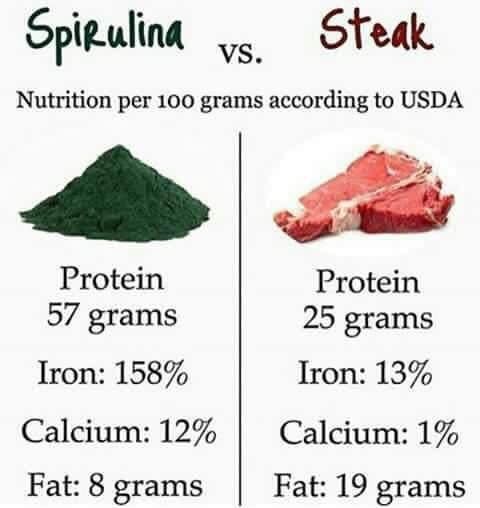
Compared to other foods by weight, spirulina is one of the most nutritious foods on the planet[1]. It’s high in protein and contains all essential amino acids. Spirulina is also high in B vitamins, iron, magnesium, potassium, and a wide range of other vitamins, minerals, and antioxidants. As spirulina is a very simple organism, the proteins and nutrients are easily digested and absorbed.

Spirulina is such an important food source that various international organizations, such as IIMSAM[2], have formed to help establish small-scale spirulina production in impoverished communities throughout the world. These small spirulina producers have made tremendous advances in combating malnutrition and promoting local food security.

The ecological footprint of spirulina is also relatively small. As spirulina grows in water, it doesn’t require any fertile land. It doesn’t even need much water because the water it grows in can be reused. As the UN predicted in 1974, spirulina truly is the food we need in today’s world.

Conditions Spirulina Can Remedy

Research is also discovering that spirulina has a wide range of health benefits. In fact, the World Health Organization predicts that spirulina will become one of the most curative and prophylactic foods of the twenty-first century.

Spirulina’s nutritional density may actually be the secret behind its health-boosting effects. A strong immune system is the foundation of good health. Yet, many of us suffer from a range of nutritional deficits that we may not be aware of. And these deficits are known to impair your immune function.

Malnutrition in some form affects almost 11% of the entire earth’s population[3]. And it’s not only in lower-income countries. According to the Child Welfare League of America, more than 30 million Americans[4] experience hunger regularly, or are at risk of going hungry.

Also, not having enough food isn’t the only problem. As we eat increasingly more processed foods, we’re often consuming foods that are high in calories, but lack essential vitamins, minerals, and other nutrients. This is called “hidden hunger”, and it’s estimated to affect up to 85% of Americans[5].

A 2016 scientific review[6] concluded that “spirulina can be used as a source for alleviating hidden hunger or micronutrient deficiencies”. Eating as little as one gram of spirulina per day is proven to correct malnutrition in a small child[7] in a few weeks. And international spirulina supplementation programs have helped rehabilitate many malnourished adults affected by HIV/AIDS with only two grams of spirulina per day.

In addition, research suggests spirulina can help prevent or treat many different conditions, including:

  • Age-related Brain Degeneration
  • Anemia
  • Cancer
  • Diabetes and Pre-diabetes
  • Fibromyalgia
  • Hay Fever
  • Heavy Metal Toxicity
  • Herpes
  • High Blood Pressure
  • High Cholesterol
  • HIV Infection
  • Inflammation
  • Malnutrition
  • Obesity

How to Grow Spirulina

As mentioned above, spirulina is a type of algae that grows in water. But don’t let that put you off. Growing spirulina is actually quite a straightforward process that’s used successfully by many families and small growers throughout the world.

And considering the outstanding nutritional and health benefits of spirulina, it’s well worth learning how to grow this superfood. You can buy spirulina supplements and powders, but spirulina loses some of its nutritional properties during the commercial dehydration process. In addition, a study[8] that compared fresh and dried spirulina found that fresh spirulina has more bioactive compounds, which makes it easier to digest and absorb.

Commercial spirulina may also be grown overseas in open ponds, where contamination with heavy metals and other pollutants is common. In fact, a Chinese study[9] found that 95% of spirulina supplements in the country contained serious liver toxins known as microsystins. For this reason, the Medical Center at the University of Maryland recommends that you always check the source of any spirulina supplements you buy.

You can easily avoid these risks by growing your own spirulina. You’ll ensure a safe, sustainable supply of this amazing food source for years to come.

Microsoft Employee Literally Wrote Washington’s Facial Recognition Law

Plus, live facial recognition updates and the week’s A.I. research

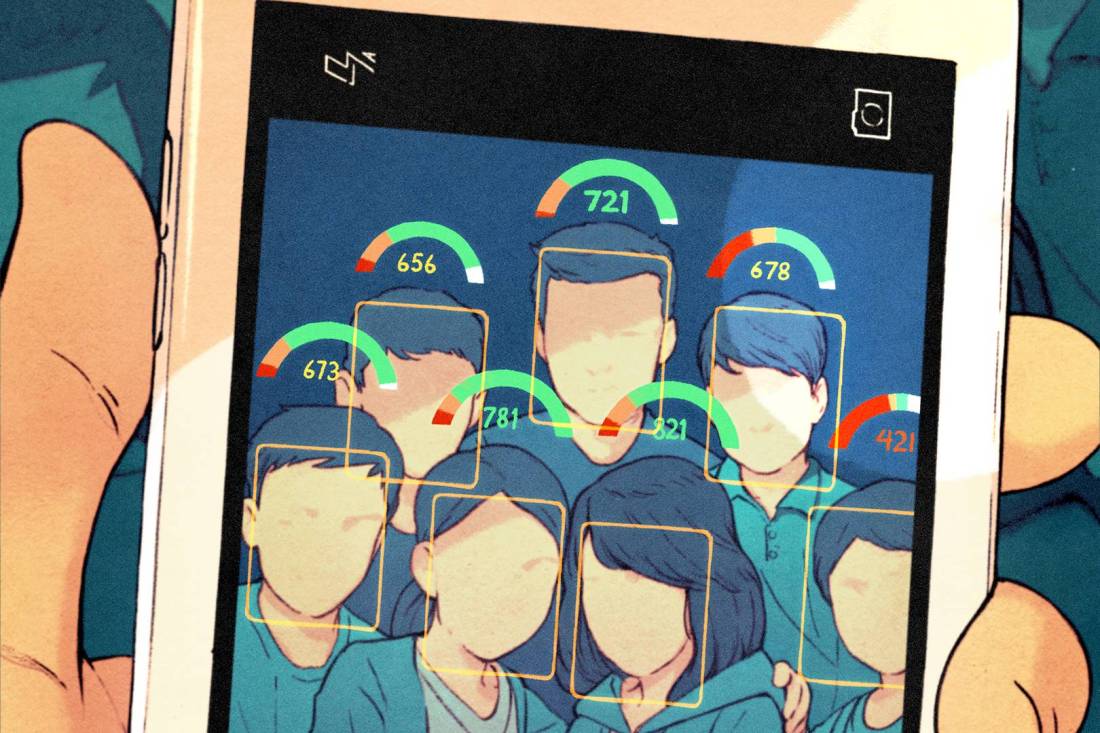
Tuesday should have been a win for privacy advocates. Washington state signed SB 6280 into law, making it the first state in the country to pass a facial recognition bill, which outlines how the government can and cannot use the technology.

But a closer look reveals the bill’s flaws. The law does little to curtail government use of facial recognition, instead setting up basic transparency and accountability mechanisms for when the state does decide to deploy dystopian real-time surveillance.

The bill has little impact on the commercial development or sale of facial recognition technology. The bill doesn’t limit sales to law enforcement, or even hold companies responsible for the outcomes of their algorithms.

The bill was sponsored by State Senator Joe Nguyen, who is currently employed as a program manager by Microsoft

It’s no surprise then that the bill was championed by Microsoft in public and behind closed doors. In fact, the bill was literally sponsored by State Senator Joe Nguyen, who is currently employed as a program manager by Microsoft.

I’m not a fan of the phrase “Let that sink in,” but you really do have to take a minute and think about that one.

The ACLU of Washington wrote a strong rebuttal of the law, which is set to take effect in July, saying that anything short of a facial recognition ban will not safeguard civil liberties.

“Alternative regulations supported by big tech companies and opposed by impacted communities do not provide adequate protections — in fact, they threaten to legitimize the infrastructural expansion of powerful face surveillance technology,” ACLU project manager Jennifer Lee wrote. “This is why we strongly opposed SB 6280, which purports to put safeguards around the use of facial recognition technology but does just the opposite.”

The transparency and accountability measures are better than nothing. The new law requires state and local government agencies to alert the public about what facial recognition algorithms they are buying, and train its staff adequately to use the technology. Companies selling the technology to the government now need to open their algorithms to independent testing. State or local prosecutors relying on facial recognition must tell defendants that before the trial.

But when it comes to real-time surveillance, the new law says police must now get a warrant except in the broad case of “exigent circumstances,” enshrining the capability of real-time facial recognition in the state legislature.

In other facial recognition news, Wolfcom, which, as revealed by OneZero, is testing live facial recognition in police body cameras, recently spoke with Government Technology about its new tech.

“People are always afraid of something new, but there’s no stopping technology. We can either ignore it and other people develop it, or we can understand it’s here to stay … and try to steer its path toward the force of good, ” Wolfcom CEO Peter Onruang said.

Onruang said concerns about constant police surveillance were overblown.

“I know there are fears out there that people will get shot for facial recognition. That’s not what it will be designed for … It’s only meant to help an officer realize there’s a possibility (they’re interacting with a wanted or missing person),” he said.

Thankfully, no technology has ever been used for something other than what it was designed for.

And now, the best part: Let’s take a look at some new A.I. research from this week.

Evading Deepfake-Image Detectors with White- and Black-Box Attacks

Detecting deepfakes and other synthetic media will always be a cat and mouse game. Here, researchers show that it’s possible to fool “deepfake detectors” with fake images.

Physically Realizable Adversarial Examples for LiDAR Object Detection

Uber’s self-driving car unit has found that algorithms analyzing 3D lidar data can be tricked into missing objects around them. That also means a car relying on lidar to see other cars on the road can be fooled into catastrophic accidents.

Future Video Synthesis with Object Motion Prediction

This paper seemingly gives self-driving cars the ability to predict the future, by analyzing the movement of objects around them and trying to guess their trajectory.

PIFuHD: Multi-Level Pixel-Aligned Implicit Function for High-Resolution 3D Human Digitization

Facebook is researching the ability to create highly detailed 3D models of people from just a single image. The obvious use case is in Facebook’s virtual reality software for its Oculus headsets.

Recognizing Characters in Art History Using Deep Learning

Computer scientists and art historians try to build a deep learning algorithm that can find popular Christian iconography, like Mary and Gabriel, in thousands of historical works of art.

Your Most Paranoid Pandemic Election Questions, Answered

If the 2020 election is canceled, a Vermont senator (no, not that one) could become president

Can the presidential election be canceled?

No, it can’t. The terms of federal elected officials are set by the Constitution. Trump’s term ends on January 20, 2021. Extending it would require two-thirds of both the House and the Senate to support such an amendment and then having three-fourths of the state legislatures ratify it. That is not happening.

Can it be postponed?

Almost certainly not.

But are there any weird loopholes?

The language actually doesn’t provide for a popular vote. It states, “The electors of President and Vice President shall be appointed, in each State, on the Tuesday next after the first Monday in November, in every fourth year succeeding every election of a President and Vice President.” While the Constitution provided for a popular vote for the House in its original text and for the Senate in the 17th Amendment, it still doesn’t do so for the election of presidential electors.

Back to Planet Earth, if a general election can’t be canceled, can a primary election be canceled?

Yes. Primary elections are administered by each state and subject to state law. More than a dozen states and territories so far have formally delayed primary elections.

Do polling places present health hazards?

Yes. Abdul El-Sayed, former health officer for the City of Detroit and author of the forthcoming book Healing Politics, told GEN in mid-March that there are “real risks” from “having people wait in line… and constantly touching the same [surfaces].” While it might be possible to mitigate some of the risks with in-person voting, “the overhead would be extreme,” he said. Instead, El-Sayed suggested voting by mail as a far safer alternative.

Is voting by mail safer?

Yes, it is. El-Sayed, who mounted an unsuccessful campaign to be governor of Michigan in 2018, noted while mail-in voting does pose risks, those can be mitigated. “You could create a vote-by-mail system once we understand a little bit more about the survivability of the virus that could, in effect, quarantine the envelope for that period of time,” he said. El-Sayed added that if he was an official responsible for elections, he would be asking himself, “How do I move my state to a vote-by-mail scenario ASAP? And then how do I figure out a system to mass-fumigate returned ballots and be counting that way?”

So, should everything in November go to vote by mail?

Not necessarily. While voting by mail presents public health advantages, there are still other significant issues with it. The only actual major voter fraud in recent political history involved a Republican operative in 2018 harvesting absentee ballots in a congressional election that had to be rerun. Further, sending a ballot to every voter can create confusion, particularly with older voters who are used to showing up to the polls on Election Day.

The Science Behind Coronavirus Testing, and Where the U.S. Went Wrong

To detect a virus, we just have to look for its instruction manual.

How does the coronavirus test work?

To answer these questions, let’s first consider the culprit the test aims to detect: the virus itself. Viruses, at their core, are surprisingly simple entities: capsules with machinery to penetrate a cell, containing genetic information with instructions to make more viruses. Once a virus enters a cell, the instructions are read and more viral parts are made and assembled. Newly made viruses have mechanisms to escape their host cells and, in the case of coronavirus, travel further down the respiratory tract, eventually reaching the lung cells. When infected, lung cells can no longer perform their normal jobs, leading to the respiratory symptoms of Covid-19 (the disease caused by the novel coronavirus).

The novel coronavirus enters and multiplies inside our cells

The coronavirus test is relatively simple, and operationally the same in every country.

(To be totally accurate, coronavirus is actually an RNA virus. RNA is similar to DNA, but this method looks a little different in practice and is referred to as RT-PCR. The outcome is the same: Many, many copies of the DNA are made from the viral RNA instructions.)

If the test is so simple, why is the U.S. having trouble getting it to work?

The U.S. initially mandated the use of CDC-developed test kits for all coronavirus testing, but labs reportedly had trouble getting them to work. The CDC was criticized for not using test kits developed in Germany, which were successfully detecting coronavirus around the world and were backed by WHO. U.S. labs responded by developing their own tests, and in some cases reporting quicker turnaround of results. This prompts the question: What are the differences between these tests and why do some work better than others?

Most molecular biology labs can develop such a test in a week or two, but those who have done so have come against another major hurdle: FDA regulations.

Choosing primers for any PCR experiment turns out to be tricky and sometimes unpredictable. Primers are just short pieces of DNA themselves, and some DNA has a tendency to fold in on itself, creating a “hairpin” structure which inhibits PCR. (This is a bit like the matching letters in a palindrome finding one another). These “palindrome” primers can produce a false negative — an infected patient whose sample appears to lack the virus. Alternatively, the primers can work just fine to make copies of coronavirus RNA, but might also be capable of copying some part of human DNA. Because patient samples (most often nasal swabs) contain both viral particles and human cells, these primers can produce a false positive — an uninfected individual testing positive for the virus. Other potential sources of RT-PCR failure are temperature issues, low primer or sample concentration, and contamination, among others.

How a coronavirus test can fail. A “palindrome” primer can cause a false negative. Primers which can recognize human DNA can lead to a false positive.

Federal regulations complicate in-house testing

Before we get into the weeds here, it is important to remind ourselves why FDA regulations exist: to protect the consumer — us — from being given incorrect medical information. Typically, there is regulatory oversight both of the laboratories where clinical tests are performed and of the tests themselves (though as this article points out, prior to this outbreak, FDA oversight of clinical tests under the current administration has been alarmingly slim).

Massive supply shortages require creative solutions

Labs that manage to get proper certification to run clinical testing face another hurdle: a massive shortage of supplies. Patient samples are most commonly collected as nasal swabs, and before RT-PCR, viral RNA must be separated from mucous, human cells, and other debris. Commercially available RNA extraction kits are by far the quickest and safest way to process many samples at once, but unsurprisingly, demand has quickly outpaced supply, forcing testing labs to seek donations locally via social media.

Will drive-thru & at-home testing help?

First, let’s clear up some confusion here. When it comes to coronavirus testing, “drive-thru” and “at-home” do not describe the test itself, which requires training and specialized equipment. These terms refer instead to how and where nasal swabs are collected. Though these strategies may not substantially increase the speed of testing, there may be immense public health benefits to performing sample collection via mail or a drive-thru point. Why? Because those who fear they are ill need not travel to a clinic, risking infecting others while there or in transit. Plans to implement at-home sample collection are already in progress, and drive-thru testing is already available for UW Medicine patients and staff. But regulatory hurdles exist in this domain as well. To process at-home tests, labs must provide substantial evidence that these samples are reliable relative to those collected by trained individuals, further hampering labs’ ability to quickly roll out these operations.

Where do we go from here?

The challenges outlined here all converge around one conclusion: The U.S. was completely unprepared for a public health emergency of this scale. South Korea revamped its emergency preparedness plans after the MERS outbreak of 2015, recognizing that early detection and isolation were effective to mitigate an outbreak, and putting resources and procedures into place which could be mobilized quickly.

A List of Research Questions As A Way Of Kick-Starting A Social Research Agenda For A COVID And Post-COVID World

The coronavirus (COVID-19) pandemic has erupted, affecting all regions of the world, and the news media are dominated by reporting developments and effects. At the time of writing, tens of thousands of lives have already been lost worldwide, and many healthcare systems are straining under the burden of caring for unprecedented numbers of seriously ill patients with pneumonia. Everyday lives have been disrupted: schools and workplaces are closed, many people have lost their jobs, vast populations have been confined to their homes, people are cut-off from face-to-face interactions and worried about their own health or those of their family members.

Bearing all these issues in mind, below I have come up with a list of research questions as a way of kick-starting a social research agenda for a COVID and post-COVID world. (Please note the important caveat that these are only my initial thoughts based on the current situation in these early months of the pandemic where conditions are rapidly changing.) Researching these topics will generate better understandings not only of the current social impact of COVID, but also continuing or new impacts into the future. Findings will have immediate and long-term applications for contributing to policy and service delivery and development to better support publics as they deal with and recover from the myriad challenges they are experiencing to their ways of life and health status. They will also offer ways forward for how to deal with and manage new large-scale health crises in ethical and effective ways.

Key social research questions

· What are the situated responses of government agencies and healthcare organisations to the pandemic, and how do these differ between countries? Which agencies and organisations have been most effective in countering the spread of the COVID virus among their populations?

· How are people from diverse social groups and geospatial locations responding to the crisis? What are their lived experiences and social relationships as the pandemic’s effects continue to unfold and into the future of the post-COVID world? How do attributes such as location, age, gender, health or disability status, ethnicity/race, income, educational background, employment status, housing situation structure their experiences and wellbeing?

· Which individuals and social groups are the target of neglect, stigmatisation or marginalisation? How has this been recognised and dealt with (or ignored) in different socio-geographical-political environments?

· What were the rationales behind the widespread panic-buying that emptied supermarket shelves of essentials for weeks on end, and how can such responses be better managed in the future?

· How have people’s general wellbeing and mental health been affected by the current conditions of the crisis and into the future, and how can they be better and more ethically and effectively supported?

· How have family relationships been influenced by confinement to family homes for long periods, and what are the positive or negative consequences (e.g. increased risk of being a victim of family violence for women and children, post-natal women losing hands-on help with their new infants from extended family members)?

· How are children and young people coping with the disruption to their usual routines, education and social relationships, now and into the post-COVID future?

· What are the lived experiences of healthcare workers and other key support workers in dealing with the working conditions they are faced with, and what are the implications for their current and long-term health and wellbeing? How can they be supported now and into the future?

· What socioeconomic support systems offered by government and non-government agencies have best managed the crisis and how should they deal with support into the post-COVID future?

· How are digital technologies contributing to disseminating information — which are most helpful and useful for publics?

· What digital media and devices have been most helpful and useful for publics in dealing with physical isolation conditions?

· Which digital health technologies have been most effective and helpful for offering self-diagnosis and healthcare? What are the experiences of patients and healthcare workers in offering these mediated forms of diagnosis and care?

· What is the role played by novel digital technologies such as ‘smart’ devices, drones and automated decision-making software in health surveillance and diagnosis systems?

· How have educational and working-from-home arrangements been supported by digital technologies, and which have been most useful and helpful?

· How have the working practices of teachers at all levels of the education system (primary to tertiary) changed? What are the losses and gains for both students and teachers in moving to online teaching and learning?

· How will education and work systems change as a result in the post-COVID world?

· How have major internet companies as well as start-ups responded to the crisis?

· Which forms of grassroots organisation and networking have emerged and which are most helpful and effective for communities, now and into the future?

· How have more-than-human agents contributed to supporting people’s health and wellbeing in conditions where they have been forced to be physically distant from other people (e.g. companion animals, plants, natural landscapes, bodies of water)?

· What research methods can we use to understand the more-than-representational dimensions of people’s lived experiences (their affective and sensory responses, experiences of space and place)?

· What social and cultural theories can help us understand the COVID and post-COVID worlds?

Let’s get started!

The United States would be in the deathgrip of a pandemic and on the brink of a prolonged economic recession

Last New Year’s Day—a mere three months ago—few could have imagined that by this date the United States would be in the deathgrip of a pandemic and on the brink of a prolonged economic recession. The nation’s sudden envelopment into this two-fold crisis has left politicians and policy-makers scrambling just to make sense of events, let alone to make the life-and-death decisions that fall to them. Given the sheer scale and complexity of the crisis, it is not surprising that public officials should struggle to find answers. At a minimum, however, they need to ask the right questions, especially about what they do not know, which is a great deal more than most would care to admit.

In recent days, a few public officials, including President Trump, have suggested that the current efforts to mitigate the impact of the coronavirus outbreak—social distancing and public closures—should be curtailed earlier than public health experts, including the president’s own advisors, think is prudent. It is clear that the virtual lockdown of the country is causing vast economic damage. It is also true that recessions and economic hardship have life-and-death consequences, often resulting in higher rates of suicide, domestic violence and substance abuse.

We do not know, for example, whether the official number of deaths in the United States will be 10,000, 80,000 or more.

It is understandable, then, that people are asking whether the coronavirus mitigation measures are doing more harm than good. These discussions usually take the form of comparing an unknown data point (i.e., the number of avoidable deaths Covid-19 will cause) against another unknown data point, which is assumed to be worse (i.e., a second Great Depression), or against a known, unarguable good (i.e., economic growth).

As for the first unknown, the number of avoidable deaths, we do know something—namely, that there will be many such deaths and each involves a profound human tragedy. We also know that the epidemiological models have large confidence intervals, meaning that the actual number of avoidable deaths is projected to fall within a very large range. We do not know, for example, whether the official number of deaths in the United States will be 10,000, 80,000 or more.

The reason the confidence intervals are so large is because we have terribly insufficient data, due in large part to the inadequate availability of testing. The federal government has badly bungled its response. The effects of ongoing, systematic underinvestment in the nation’s public health infrastructure were made worse by a president who spent the first weeks of this impending crisis behaving as though the number of cases would remain low. Mr. Trump downplayed the threat, and a federal bureaucracy unaccustomed to using its own power (including marshaling and coordinating private-sector forces) failed to efficiently address problems that affect the common good.

It is impossible to make good prudential decisions about completely unknown risks.

If U.S. officials had prepared for the coronavirus landfall by building up effective testing capacity, the nation would have been better able to enter into the required calculus. Perhaps the United States would have been able to mount a response similar to that of South Korea—isolating and contact-tracing known infected individuals instead of quarantining the whole population. This would permit public officials to accurately compare a more narrowly modeled epidemiological risk against the economic risk. As of now, we do not know enough to make that comparison.

These process failures have left Americans to debate ethical tradeoffs for which we lack the information to make good prudential decisions. It is impossible to make good prudential decisions about completely unknown risks, and it is a catastrophic failure of imagination and moral responsibility to act as if we are unable to learn what we need to know to make a better decision.

Making decisions such as these necessarily involves risk assessments and weighing different possible outcomes. But such decision-making must not descend into a strict arithmetical calculation that values human life as merely one material good among many. The inherent worth and dignity of human life are immeasurable.

We know there are many people who know more than the rest of us. We should listen to them. Experts can be overrated and can surely make mistakes, but in a public health emergency, prudence dictates both following their advice and doing what is possible to improve the data they are using to provide it.

And their nearly unanimous advice is clear: As Dr. Anthony Fauci told CNN on March 26: “When the numbers are going up, that’s no time to pull back. That’s when you have to hunker down and mitigate, mitigate, mitigate—get the people taken care of, that’s what you have to concentrate on.”