No One Is Coming To Save You: You’re on Your Own When it Comes to Civil Defense-Government Will Not Do Anything to Protect You as That is Counterproductive to Their ‘Strategy’

Sometime between the First World War and the start of the Second World War the concept of civil defense or civil protection was born. The original purpose was to protect civilians from aerial bombing. After World War Two, the United States dismantled its civil defense corps. With the US the sole possessor of atomic weapons, there was no perceived need to spend money on civil defense. That perception did not last long due to the Soviet Union testing their first nuclear weapon in 1949. President Truman re-established civil defense with the goal of protecting the civilian population against a nuclear attack.

Over the next 29 years there would be several renditions of civil defense until the Federal Emergency Management Agency (FEMA) was formed. President Carter empowered FEMA to prepare for disasters and to continue civil defense efforts. In 1994, with the repeal of the Civil Defense Act of 1950, FEMA suspended preparations for nuclear attack. Without the federal mandates and grant requirements many states started to follow suit. Following the terror attacks of 2001 and the advent of the Department of Homeland Security (DHS), FEMA started to plan for a nuclear terrorist attack. The problem with the current DHS/FEMA nuclear terrorist attack planning is that DHS/FEMA assumes that only one city will be attacked. Other assumptions include a relatively low-yield weapon and that the unaffected surrounding areas can assist with the response. The current DHS/FEMA guidance is totally insufficient to address the needs from multiple nuclear weapons detonating across the nation.

With the current situation in Eastern Europe it is extremely important to understand both the past civil defense capabilities and the current non-existent civil defense capabilities of the United States but we also need to understand the civil defense capabilities of the former Soviet Union and those of Russia today.

It is important to understand past civil defense capabilities so that as the war in Eastern Europe widens, we can understand why our elected officials will do nothing to protect our nation. We also need to understand that the Russians will take steps to protect their population.

To start with, we a;; probably have heard of the concept of Mutually Assured Destruction (MAD). The basic premise of MAD was that if two adversaries started to launch nuclear weapons at each other, both sides would suffer massive damage to both its population and its economy, thus fighting the war doesn’t gain either nation anything. The United States adopted this theory, however the Soviet Union did not. There were great debates about whether or not the United States should pursue an extensive civil defense program. This brings up the concept that a nation’s Civil Defense capabilities can play into the nation’s strategic capabilities just like nuclear weapons. To be clear, when a nation chooses to have, or not to have, a robust national civil defense program it isn’t necessarily about protecting people but rather “the system”. The United States believed that if it took prudent civil defense steps then that would somehow diminish our nation’s vulnerability, hence we would not be subscribing to MAD because we, in fact, have not assured our destruction. More on this later.

MUST WATCH! THE HUNGER GAME HAS BEGUN: THE ELITE HAVE BEGUN THEIR FULL SCALE EXECUTION AND DECIMATION OF THE MIDDLE CLASS! FAMINE OF GODS WORD IN AMERICAS PULPITS ,WILL LEAD TO LITERAL FAMINE AND STARVATION IN THE U.S.A
The Soviets on the other hand had a much more robust civil defense program. The Soviets spent about ten times as much money on their civil defense than the US. Why? Simply because the Soviets never subscribed or followed the concept of vulnerability, in other words, the Soviets never believed in the MAD theory. While the US decided to be weak, so as to say look if we exchange nuclear weapons we looe so we really don’t want to play that game, the Soviet Union actively planned not only to fight a nuclear war but took steps to “win” it. This is extremely important to understand. Those in the upper echelons of the current Russian government are products of the Cold War and Cold War strategies and tactics run through their sins and brains.

At this point in time, the US still holds dear its strategy of being vulnerable. We have heard Biden state that Putin isn’t bluffing about using nuclear weapons and that we are facing Armageddon, so why is thee no big push to dust off old civil defense plans and not just by the executive branch or the democrats but the GOP is silent on the issue of civil defense? So the US government is still subscribing to the “let’s be vulnerable” theory within MAD while the Russians are planning to win. Basically, the two nations are planning for and practicing two different “games”, and when they meet for “game day” it won’t be good for us.

Since people are creatures of habit we can assume that both Russian and US leaders will fall back to the concepts of the Cold War as tensions escalate to the nuclear level. Back in the Cold War era the anti-civil defense crowd actually argued that no American president would contemplate America’s civil defense capabilities when making a decision to launch nuclear weapons. This is not only wrong, nut we can actually prove that it is wrong! During the Cuban Missile Crisis President Kennedy specifically asked about our civil defense status and how those capabilities would have us fair if Soviet missiles hit the US. Going back to the concept of Civil Defense, as a strategic capability, we can see that when the closest thing we have had to a nuclear war played out, civil defense was in the equation. And just so you know, the answer President Kennedy received wasn’t a good one. While the Soviet Union prepared blast shelters for their nation the US focused on “fallout” shelters. The fallout shelter system was specifically designed to protect people from radiation not the other blast effects from a nuclear weapon such as the fireball and shockwave.

With the Soviets not following the vulnerability concept of MAD, the US government believed that about 90% of the Soviet Union’s population would survive an attack by the US with nuclear weapons, compared to about 20% for the US. At least that was the US number up until the US government started what is known as “Crisis Relocation” in the 1980s. With crisis relocation, that is, evacuating urban areas to rural areas, the US government believed it could increase the survival of the population to around 80%. The only problem with the concept of crisis relocation for nuclear attack is that the plans assumed we would have one-week advance warning before the missiles started to fly, from what I understand, at the time, Soviet nuclear missiles were liquid-fueled and the missiles were not kept fueled due to corrosions issues with the fuel and it would take about a week to fuel them for an attack.

So how does this all relate to the current situation?

Understand that Russia’s new 5th-generation warfare strategy has an “escalate to de-escalate” component. That is Russia plans to “escalate” tensions with the threat of nuclear attack in order to have the other side come running to the negotiating table. This escalation could be achieved by mere threat however the US/NATO are not buying into the threat which means that the risk for Russia to have to resort to some type of actual use of nuclear weapons increases. The thing about nuclear arsenals is sort of like in the movies when one person shoots, everyone lets loose.

Russia still believes it can win a nuclear war. The old communist lead anti-nuclear weapons crowd liked to say that nuclear war was “unthinkable”, but we should think about nuclear war critically, considering the destructive power and the number of nuclear weapons on the planet and we also better be prepared for when they are launched. Since the US has no real civil defense capability, it is conceivable that the US could be placed in a very bad geopolitical bargaining situation since our population is so vulnerable and the Russian population is not.

Both Russia and the US will revert back to the Cold War strategies when they face the next “Cuban Missile Crisis” arising out of the Ukraine war. Russia will perceive that it can win a nuclear war while the US will perceive that Russia will not launch since they too will loss a lot of people and economic capability. Keep this in mind, the Soviets were expected to lose 20 million people in a US retaliatory nuclear strike, that is 10 million fewer people than they lost in all of World War Two. Sounds like a win to me.

If the situation gets bad enough you will see an evacuation out of the cities. Polls conducted in the late 1970s indicated that there would be two distinct evacuation waves. First would be the spontaneous evacuees who leave the cities without there being an official evacuation order. The second wave will be those leaving when the official order is given. According to the polling data, many of the spontaneous evacuees in the first wave would be going to “friends and relatives” in the country. What isn’t identified in the polling data is whether or not those relatives and friends in the county know those people are coming their way. Crisis relocation when implemented will have profound effects on those living in rural areas. One other thing to keep in mind about crisis relocation is that there was a debate that as soon as one nation saw the other nation evacuating their cities an attack would be launched. There was no indication that either the Soviets (Russians) or the US targeted the evacuation “reception” area with nuclear weapons, however Russian nukes are somewhat larger in there megatons of TNT power. I suspect that this was done due to the Soviet missiles not being as accurate as the US missiles.

This presentation PROOVES WITHOUT DOUBT that America is in for a major fight that will put you and your family in the firing line, literally… So make sure you watch this presentation while it’s still online…

The reason why you should pay attention now is that is because these techniques don’t come from books, they’re taken from actual 21st century warzones, from lawless states where social chaos is the name of the game… … and where not having enough time or money to prepare doesn’t stop real-world preppers from creating virtually impenetrable defenses for their families.

With today’s hypersonic missiles the concept of crisis relocation may or may not be moot. I suspect there may be a few people who still self-evacuate out of the cities before a warning. I would, however, suspect that if one side did order an official evacuation of cities that then that would trigger an immediate attack. If you even hear discussion of crisis relocation or evacuation you should take this as warning that the crisis is spiraling closer to missile launch.

Stop believing that survival isn’t possible, that is if you don’t live in a large city or military target. Location is one of the best factors helping to ensure your survival in a nuclear exchange.

There is a belief, or hope, that nuclear weapons will not be used. Just remember that “hope” is not a plan. Government will not do anything to protect you as that is counterproductive to their “strategy”. That means You’re on Your Own (YOYO) when it comes to civil defense.

Take steps to plan for and implement a fallout shelter in your home now. There are still a number of good sources of information on this on the internet today. Start looking for in now and reading it. Second, locate and acquire any needed equipment and supplies you may need. I have a gun range on the property with a large backstop that is filled with sand. We will use the loader on the tractor to scoop out the sand and bring it closer to the house where we will then fill feed sacks up with the sand and place them inside the house on the floor above where we will be sheltering. We have on hand, wood and jack post to beef up the support of the floor joist due to the added weight of the sand. We will also put dirt up against the foundation for added protection. In the basement we will construct an area where we can sit and lay that will have additional dense materials (things like ammo cans) on top for additional shielding. Planning and preparing for the protection against fallout now will give you and your family an immense leg up when the time comes to act.

We can anticipate that at some point Russia will give the West an ultimatum. Russia has already told the West to stop interfering or else. The ultimatum that we should be looking for is one with a specific date and time. Of course the West will not comply with the ultimatum and this will probably mean the end of Putin’s power or Putin will push the button.

Never underestimate the power of stupid people. There are people on both sides who train regularly to launch or drop nuclear weapons at a moment’s notice. They go through quick reaction drills so that the motions become second nature, so that when the order is given these people resort to just going through the motions like they have hundreds of times before, verses thinking about the ramification of what they are about to do.

The old Cold War analysis predicted that most Americans would need to shelter from radiation for a two-week period. That means literally staying in a very confined area for sleeping, food prep, going to the bathroom and everything else. I’m sure with our current generation’s addiction to electronic devices the mere withdrawal from these games due to the combination of the effects of EMP, no power and no Internet connectivity will be just as challenging as trying to live in cramped quarters for two weeks. Statistically speaking, I have lived over half my life. What this means is I can afford to absorb a little more radiation than my kids who are in their teens still. This won’t mean anything the first week since radiation level will be so high that it could cause radiation sickness even with only a few minutes of exposure. The second week, depending upon actual radiation reading, I could probably do a quick task like taking out garbage or human waste. Perhaps I would even go out to the barn and throw a few bales of hay out for any surviving animals. The most likely farm animal to survive will be chickens, since they can withstand an impressive amount of radiation.

Fortunately, we have metering for measuring radiation. I have sat my daughter down and taught her how to use them. I have taken background radiation readings in areas where we are going to shelter. It is good to know what your normal level of radiation is. The background levels of radiation were written down for several areas. One where we are going to actually shelter, then a reading at the door to the room that has the door to the outside and the third reading was at the door itself. The readings were annotated and then laminated and attached to the handles of various meters.

Nuclear war is survivable but you need to take action to be prepared. If you live in a location that isn’t a target but will probably be affected by radioactive fallout it would be a shame to die slowly from radiation poisoning that could have been avoided with some very simple preparedness.

Regardless of what does or doesn’t happen with the current war in Europe, the notion that we will not be confronted with another geopolitical crisis where the chances of a nuclear war increase is very naive. At some point we will be in the same situation with China. Perhaps that will be sooner than anyone realizes. Prepare now.

In this short VIDEO, I will unearth A lost super-food will bulletproof you against any food shortage or famine. It’s a food that vanished with the Incas over 6 centuries ago

In the next crisis these lost skills will be more valuable than gold, food supplies and survival equipment combined. These skills have been tested and proven to work for centuries.

Here’s just a small glimpse of what you’ll find in The Lost SuperFoods:

Learn More…

What Happens When the Stockpile is Gone and There’s Nothing Available to Eat? It Can Be Hard to Imagine a Looming Food Crisis When You Can Walk Into Your Local Grocery Store and See Shelves Overflowing With Abundance

It can be hard to imagine a looming food crisis when you can walk into your local grocery store and see shelves overflowing with abundance. You can find easily find everything you need, and plenty that you don’t.

You might even ignore those around you warning you to stock up on food while you still can. In fact, they might seem like Chicken Little desperately calling out, “The sky is falling!”

But don’t let the full shelves fool you. While the sky may not actually be falling, the world is facing a food shortage. It’s only a matter of time until it hits. Until then, the government wants you to keep walking into the stores, feeling like everything is fine.

The world’s food situation is not fine. Here are just eight of the many indicators that it’s time to stockpile food, and start growing some of your own.

1. Raising Food Prices

Have you noticed the price of groceries rising in your area? I sure have here, especially for basic staple ingredients such as butter, flour, and rice. Every time I head to the store, it seems like I have to stretch my food dollars a little further.

It’s not just in my neck of the woods where prices are creeping up. According to a study by the USDA Economic Research Service, supermarket prices are expected to rise .25-1.25 percent during 2016, and 1.0-2.0 percent during 2017. While those percentage points may seem low, they’re still moving up.

But, since the price of gas and food are intertwined, those numbers could soar past predictions if gas goes up again. Most of the food in the supermarket wasn’t grown in your local area. It was shipped there, requiring fuel.

As food prices continue rising, it’s getting harder and harder for families to buy what they need. That means the number of families now getting food assistance from the government continues to grow. It’s not a healthy outlook for our food supply.

2. Drought

Plants need water to grow and produce harvestable yields. As temperatures around the world rise, droughts are becoming more common.

Widespread droughts are hitting fertile cropland across the planet. From California to India, low rainfall and high temperatures cause devastation on crop production. Long-term forecasts indicate these weather patterns are likely to continue.

3. Diseases Wiping Out Crops & Animals

It’s not just the weather wreaking havoc on our food supply, it’s also disease. From the virulent Panama disease taking out bananas to African Swine Fever that can wipe out entire pig farms, diseases are running rampant in the food supply.

Modern food production techniques such as CAFOs create the perfect environment for peril. In a natural setting, you’d see a couple of pigs on farms across the landscape. They’d be interacting with nature, and have other animals and plant life around to help keep disease causing parasites at bay.

Instead, the majority of today’s pig farms are just pigs and concrete all around. When a disease comes in, it quickly moves through the whole herd. Often entire farms have to execute their animals to prevent the disease from spreading.

The loss of that many animals plays a role in rising food prices. Supply can no longer keep up with demand.

These issues aren’t just a problem for pigs. Cows, chickens, and other animals are being raised in conditions that make them prone for disease.

Crops are being raised in similar fashion. Instead of farmers growing a variety of crops, you see corn growing in huge fields for miles around. There are similar fields for soybeans, wheat, and other crops.

4. Food Safety Concerns

Have you noticed how often food is being recalled? From peanuts to frozen vegetables, meat to processed foods, it’s hard to trust the establishment to deliver safe food to your table. Listeria, e-coli, salmonella, and a host of other food borne illnesses are harming and killing people around the globe. Modern food handling practices have led to these food safety concerns.

Factories play a part in the production of numerous food products. When one factory has a role to play in the bulk of the food system, a containment can quickly spread.

Add transportation, storage, and unsafe handling, and you’ve got food that’s ready to play host to multiple strains of bacteria. Then there’s that whole GMO debate. Some countries don’t believe that genetically modified foods are safe for consumption. Others have drunk the GMO Kool-Aid and are pushing them on the marketplace at an astounding rate.

That’s another reason to grow your own food. You can pick heirloom varieties that haven’t been modified. No matter what you grow and preserve, be sure to inspect what you stockpile to ensure it’s safe.

5. Crops Being Used for Other Purposes

Crops aren’t just being grown to feed humans anymore. A huge portion of our food supply goes to feed cows. Cows were never meant to eat grains in the first place! Let them eat hay, and that’ll relieve a huge burden on our food supply.

Then there’s the whole ethanol thing. About a quarter of US corn is being used for fuel instead of food now. With a food crisis already in the works, using food for other purposes adds to the problem.

6. The Death of Small Farms

The family farmer is slowly become obsolete. Small family farms are being bought out by large mega-farms.

When single companies have their hands in so much of the food chain, a blow to one can cause huge problems. Conversely, when you have hundreds of small farms producing, it’s easy for the others to step in and make up the difference if one experiences loss.

But with rules and regulations definitely favoring mega-farms, it’s no wonder that small ones are selling out and shutting down. As governments continue persecuting small farmers, the number of farms producing your food will continue to shrink.

7. Mistreated Soil

The Fukushima crisis spewed nuclear material onto much of Japan. That soil isn’t safe to grow food in, and probably won’t be for a long time.

Nuclear disasters aren’t the only thing polluting our soil. Farming practices that strip all the nutrients out and dump chemicals back in also play a role.

Mega-farms don’t tend to care about the soil. They just like the money. Until sustainable practices are used in the ag industry, our soil will continue being mistreated.

Bad soil won’t grow as much food. However, it will keep bringing the food crisis closer to our reality.

8. Dependence on Processed Food

The majority of food on supermarket shelves is highly processed. This is the food that many people rely on to supply their nutrition on a daily basis. This boxed and packaged food hardly resembles real food. Because of this, people are becoming further removed from the source of their food.

Many don’t know how to make bread. They don’t know how to cut apart a chicken. They don’t know what animal hamburger comes from. For many people, food just comes from the store. That’s all they know, and this attitude is dangerous.

The further people get from their food, the easier it is for a crisis to occur. They’re totally dependent on other people to supply what they eat. When those farms or factories shut down, they simply won’t have a clue how to begin feeding themselves and their family.

How to Prepare for the Food Crisis

It’s not too late to begin preparing for the coming food crisis. You can begin taking steps to ensure your family’s survival when the grocery store shelves are empty. Here are a few important ones:

Education

Ensure you know where your food comes from. If you are currently food ignorant, make friends with some farmers. Do some research. Learn all you can. Feeding yourself doesn’t have to be complicated!

To take it a step further, you can educate yourself about local food regulations. Be on the lookout for laws that are restricting your right to feed your family. Play an active role in the political process to end the regulations that are strangling small farms.

Buy Local

Source food that’s grown as close to you as possible. Not only will you be supporting your local economy and farmers, you’ll also be eating food that’s fresher.

Local sources of food are less likely to be affected by national food shortages. If you’re already used to finding food that’s not in a supermarket, you’ll be a step ahead when the time comes.

Start Producing Your Own Food

No matter where you live, you can begin growing your own food. If you don’t have much space, put a couple of containers in your windowsills. Learn how to grow food in small spaces.

If you have more space, consider getting some livestock. Rabbits and chickens are allowed in many cities, and you’ll be producing your own meat and eggs.

You can continue to expand your survival garden as space allows. 

If you grow too much, learn how to preserve your harvest. Freezing, dehydrating, canning, and fermenting are some of the methods used to save food for later.

Producing your own food will help you lower your food bill and gain self-sufficiency. Everything you grow better prepares you for the food crisis.

Learn How to Cook

Stop buying processed food and take back your kitchen. Learn how to prepare simple, nutritious food that your family enjoys. Good food doesn’t have to be complicated!

Stockpile Food

Each time you go shopping, make it a point to buy some extra food. But, you shouldn’t just buy any food. You really need to stockpile what you actually eat.

Otherwise your family will have to adjust to both a crisis and new food when the time comes. It’s much better to have food on hand that you enjoy.

You don’t have to spend a ton of money to stock up. If your budget is really tight, try allocating just $5 or $10 a shopping trip. While it doesn’t sound like much, you’ll begin growing your reserves.

Be sure you store your stockpiles properly to keep pests and bacteria out. You also need to rotate your stores, which is why you should be eating what you’re storing. When I add to my stockpile, I put the new in the back. That way I use the older food first.

The End Is Coming Very Soon, and Few Americans Are Willing to Do Anything to Stop It: You Have Been Warned Many Times in the Past Few Years and to Have to Suffer in the Future Because You Did Not Know What Was Coming is No Longer an Excuse

What does it take to make you sit up and take notice of the problems surrounding society today? What will it take to make you respond to the many crises taking place today? You have eyes so you can see and ears so you can hear but for many people any negative news is a reason to tune out the world and only think good thoughts.

The problems we face continue to pile up and doing nothing is not an option if you expect to survive the next few years in tact. Prior planning and execution of a plan is now required to stay out of the flood zone when the dam breaks and everyone starts to drown. It does not matter what kind of person you are. You have to be able to save yourself before you have the ability to help others including your own family.

You cannot protect your family if you cannot protect yourself from dangerous situations or people. You cannot protect your family if you are too weak from lack of water or food to get others to safety. You cannot protect your family from the elements if you have no cover for them due to sudden loss of your shelter. 

You have car insurance just in case you have an automobile accident. You have health insurance just in case you get sick. You have life insurance to help your family just in case you die. You have homeowners insurance just in case your home is destroyed. There is unemployment insurance just in case you lose your job.

So where is your food insurance just in case you cannot find any food in the store? Where is your personal protection insurance just in case you are threatened and cannot depend on the police? Where is your water insurance just in case your water supply is shut off or becomes contaminated? Where is your communication insurance just in case the power is out and normal systems do not work? Where is your energy insurance just in case energy supplies are cut off and you need to drive to safety, cook your food or stay warm?

People think that the types of insurance for cars, health, home and life are just fine to have but the other ones listed are crazy and paranoid to think about. Even in the first case, your insurance policies depend on other people to fulfill them and those people depend on a system that is still functioning such as the banks, communications and the insurance company itself. So what happens to all those other types of insurance when the insurers themselves are no longer functioning. Any crisis that takes down the stock market, power grid or the banks will also take down all of the insurance companies.

The events of the past few weeks should have been a warning shot across the bow for many. Our financial and distribution systems are in a delicate balancing act right now and any sudden shifts could send them tumbling off the cliff rendering the services they perform extinct in a matter of hours. When that happens it will be too late to think about what you should have done when you still had the opportunity. 

You cannot get your money out of the bank after the doors are shut, the ATM is empty and the POS systems are no longer working. You cannot get the food you need after the stores have been cleaned out and the distribution system has stopped functioning. You cannot get fuel for your car after the gas stations are empty and deliveries have been suspended. You cannot get police help when everyone calls 911 at the same time and most of the police have gone home to protect their own families.

If your alarm bells have not gone off already what will it take for you to realize you are in serious trouble? When that finally happens what do you plan to do to protect and care for your family? Having no plan means having a plan to suffer and persist through unpleasant situations for no good reason. Not knowing something is excusable but you have been warned many times in the past few years and to have to suffer in the future because you did not know what was coming is no longer an excuse. Failure to prepare at this time will not only cost you but it will likely put an unnecessary burden on those that will have to help you in the future.

The warnings continue to go out. The situation continues to deteriorate. The mass of humanity continues to go about its normal daily business. The Earth continues to rotate with no chance of going back from here. The early warning alarms have sounded advising people to take a defensive stance just in case. Do you hear the alarms yet or have you hit the snooze button for a few more minutes of sleep?

So far in this plot to subdue and take over humanity, much has been lost. There is little freedom left, and what there is has been restricted and is constantly monitored, because any act of individuality or independence is now viewed as an uprising and is a bane to the state. Mass censorship of any opinion or truth concerning this scam is rampant. Everything of value is being destroyed, and speech has in most cases literally been disappeared. When the government and its fascist partnered henchmen hide or erase all free speech, what is left is tyranny. Families are being systematically decimated, and the purposeful spread of hatred is promoted at every level of society by the controlled media and the governing gang of criminals. The entirety of this government can only be described as organized crime, but is much more sinister and criminal than any mafia. This is what this pathetic population has created for itself, and blame should be placed on all those that continue to worship this nation-state and adhere to its evil demands.

Human nature is on trial today, and for very good reason. It is the human that controls his own fate. It is the human that allows others to control his thought and actions. It is the human that cowers in the face of adversity. It is the human that worships the state as God. It is the human that acquiesces to the demands of tyrants. It is the human that fails to protect the innocent. It is the human that applauds war. It is the human that causes his own and all other’s misery.

In conclusion, you may take this to heart, or you may ignore the warnings. You may continue to wallow in indifference. You may run and hide. You may cover your emotionless face with a mask. You may watch your family die in seclusion. You may turn in your neighbors to ‘authorities.’ You may follow every rule. You may in fact die at the hands of this heinous state.

Or you may curse this writer. This rant is for all or none; I care not anymore about those that have chosen to harm freedom!

“Freedom is the sure possession of those alone who have the courage to defend it.” – Pericles

Sources for this article include: https://www.lewrockwell.com/2021/03/gary-d-barnett/why-do-americans-need-and-seek-masters-to-rule-them/

The Awful Consequences for Those Refusing to Prep: Historically Ignorant Generation,We Have Refused to Do What We Were Supposed to Do Should Evil Usurp Our Country, Many of Us Are Going to Perish

I have become personally so disenchanted with the way people fail to prep. People still don’t understand how important it is to put away. I have gotten into arguments over this and had cretins call me a fool because I put away food, water, and supplies. I thought about this and the frustration that other preppers have with this laid back idiotic attitude that there is no need for preparation. There are good people that just can’t/won’t start preparing. They have the money to do so, but just don’t want to. Many have only seen what happens to non-preppers on TV, but it still doesn’t make an impact.

In this article I detail some hard core realities to show just how awful it will be for those that don’t prep. Every one of these scenarios is something that has occurred to the non-prepper throughout history. While strong images come to mind, the purpose is to jar some people out of their inaction and into action before it is too late.

Preppers are good people and care much about those around them, and unless something does jar those around them that choose not to prep, their own survival chances could be reduced. For every bit of food, water, ammunition, or supplies you sacrifice to the non-prepper, the fewer irreplaceable supplies are left for you and your family in a crisis situation. It is hoped that the following can help certain people put into TRUE perspective just how horrific it will be for those that don’t prepare.

Here are the awful consequences for those refusing to prep.

By and large, the forecasts of these economic experts make it appear that the coming financial collapse will far outpace the problems of the depression that started in 1929. But is it possible that they’re ignoring the silent depression that is already happening today?

In this short VIDEO, I will unearth A lost super-food will bulletproof you against any food shortage or famine. It’s a food that vanished with the Incas over 6 centuries ago

In the next crisis these lost skills will be more valuable than gold, food supplies and survival equipment combined. These skills have been tested and proven to work for centuries.

Here’s just a small glimpse of what you’ll find in The Lost SuperFoods:

  • A lost super-food will bulletproof you against any food shortage or famine. It’s a food that vanished with the Incas over 6 centuries ago. This mysterious dish was just recently rediscovered by NASA who has been giving away rations of it to our brave men and women in their month-long space missions. The Incas stored it in pit holes for up to 10 years, ate it year-round, and actually used it to survive a 4 year long super-drought that wiped out their southern neighbors. So, if it managed to save the Incas centuries ago and it still works for our astronauts today, you can bet your last dollar it will keep you and your family well fed in any crisis. And the best part is that you probably already have the ingredients in your kitchen right now.

By definition, an economic depression is a “steep and sustained drop in economic activity featuring high unemployment and negative GDP growth.”

Based on that, the only thing that kept the COVID-19 pandemic from being considered an economic depression is that the drop in our GDP didn’t last long enough to technically qualify.

So, the economists only call it a recession, at least those who recognize what COVID did to the economy do. There are others who don’t.

It is amazing how people become good conversationalists with most others discussing all the gossip related news, while becoming mentally tranquilized into a totally deceptive state of denial of truly dangerous issues of the times. It’s the blind leading the blind… right off the cliff.

Rather than dealing with harsh reality, people surround themselves with easy to digest material that can be talked about without directly influencing anyone’s lives. Meaningless chatter. Even for those unwilling to even think to prepare for a societal catastrophic event, there is also no desire to even face the extreme possibility of a sudden loss of one’s employment. A personal SHTF.

Look at some of the terrible personal pain experienced in America right now – and it hasn’t even hit the fan on a grand scale. Those people who have lived it up on credit, who failed to put much of anything away for a rainy day, who’ve lost their job, and who eventually lost their unemployment benefits are experiencing the first level of collapse. This is happening to millions of people in our own country, all around us, as we speak.

These Americans, who once enjoyed the luxuries that modern living had to offer, are now at their wits end, with very little hope for a return to their previous lives. They are no longer able to pay most or any of their bills. Many have to humiliatingly turn to others for help to pay for food, or worse, to obtain old, unhealthy and poor tasting food from locally funded food banks.

Their credit cards are totally worthless. Many have been evicted from their homes and have uprooted their families to live either on the street, in tent cities, with relatives, or have been forced to live at homeless shelters, They’ve have had their vehicles repossessed, or simply can’t afford the gasoline anymore. Their living conditions often make it difficult, if not impossible, to look presentable for job interviews. For many, the life of stability they knew just a short while ago is gone, replaced with fear and a constant stress to the point of nervous breakdown.

A personal economic meltdown is confined to the individual or family, or at worst a few families. The human civilization remains intact and so do society’s safety nets.

With food assistance, rental assistance, homeless shelters, and family to turn to, even the most destitute are almost always able to find some sort of help – however menial.

It is no wonder with these known assistance programs, then, that people have forgotten or never thought to consider what happens IF and WHEN human civilization goes through a strong enough SHTF event. If that happens on a mass scale what happens to everyone that needs help that has not prepared ahead of time? What happens when governments are in such total disarray or destroyed altogether that they can’t help even if they wanted to?

The media and others have portrayed the good people that sacrifice much if not all “luxuries” of life to prepare themselves and their family and friends for extreme times, as chicken littles. Those who have made the choice to store up emergency food, water, and other necessities to avoid extreme life threatening risks, including suffering horribly during and after a widespread SHTF event, are laughed at and ridiculed often for “wasting” their lives on delusional paranoia.

But who is delusional? Those who see the signs around them and understand how vulnerable the system is, or those who believe that things never change, that politicians have their best interests at heart, and that if the worst happens the government will be there to provide everything they may need?

How many have considered the dire consequences of their failure to prepare in the event that the infrastructure and everything a country’s people depend on totally collapses?

The misery from long term unemployment and lack of money is like a walk in the park compared to the severe anguish and dangerous conditions that await those who have failed to prepare for the aftermath of a large scale cataclysm. The “minor” problems of unemployment that seem extremely major and painful to most today should serve as a wake up call to what life will be like when something much, much worse happens – when those proverbial safety nets are no longer there to catch us.

Many preppers have become deeply frustrated at those around them, especially those that truly mean something to them, because they simply refuse to put away anything at all for emergencies. The prepper is usually a person that cares a lot and it is often difficult for them to take a tough stance towards the people that they care about. However, unless someone changes the habits of those people that fail to get ready, decisions will need to be made, and they won’t be easy.

The choice of what the prepared prepper should do will boil down to either adding these people to their own circle or survival group and reduce the group’s safety, supplies and self sufficiency, OR, they will have to let the non-prepper fend for themselves. This is a very personal choice, and each of us will need to decide based on our own morals, ethics and personal relationships.

As a last ditch effort, discussing the following scenarios with the non-prepper may help them understand what life will be like without what has sustained them so comfortably for so long.

This is the hard reality the non prepper needs to understand:

Without power the water company cannot get water to their faucets. Without water dehydration occurs within 24 hours. Dehydration causes much suffering before death.

Toilets in homes, unless they have an incineration toilet that still need power to work, don’t flush without water. Where will they go to the bathroom and then where will they dispose of human waste?

There will be no clean water available anywhere, especially in major cities, and they cannot live more than about three days without it.

Drinking dirty and polluted water will make them incredibly sick and accelerate the dehydration process.

Polluted water must be purified and that means having a good filter, bleach or other disinfectant, or fuel and something to boil water with.

Understand just how fragile the power and the infrastructure is that pumps water to the public. A breakdown in our power infrastructure or a cyber attack against utility systems will render them useless.

A single event can rapidly lead to a cascade of other events that would certainly collapse almost, if not, everything. This is why major snow storms, hurricanes or solar events in the past have affected millions of people in an entire region all at once.

A single, seemingly unimportant event may become quite terrible as its repercussions spread; this can include a far and away disaster.

Understand that the economies of the world are so interwoven that when one major economy falls it affects everyone.

Not having any food in the house means that if the stores are emptied suddenly in a bad enough situation that there will be no food available for a long period of time afterward. Recent history during disasters around the world has shown that stores can literally be emptied in minutes.

Think about how totally horrible the feeling of being very hungry is and what circumstances would cause one to be desperate enough to eat anything.

All stores can be closed instantly under martial law.

Understand that you may not be able to purchase anything after it starts, especially with any credit cards.

Understand the complexity of food and water distribution; breaks in these chains can stop anything from getting to the people.

What life will be like if no toilet paper is stored?

Understand that without light sources, the night will be pitch black, often with zero visibility.

There will be no communications, other than probably martial law type of instructions over the radio, that is if they have batteries for the radio.

Other than ham and shortwave radio, any information that is available will be sent out by the government as filtered propaganda that “they” want everyone to hear.

Without power consider what it will be like to not have any heat to stay warm, or air conditioned air to stay cooler – with no way of alleviating the situation.

Travelling will likely be by foot or bicycle, as their will be no fuel and roadways may be blocked.

Realize that ANY travel outside of the home or neighborhood will be extremely dangerous as ANYONE who moves becomes a target

Non preppers will be pushed way beyond their limit because of lack of supplies.

The non prepper must realize their government does not really care about them individually, that they are a mere number and help will likely not come from them.

They have to figure out somewhere to get food. This can mean wild plants which they must know how to identify as safe, or risk poisoning themselves.

They have to understand that when we refer to “having no food” it doesn’t mean not having the food they are used to enjoying, it means no food to eat at all.

They have to understand that if they are fortunate enough to have any running water, they will probably have to bathe in cold water for lack of stored fuel to heat water.

They have to realize that the very strange and totally unexpected is going to be all around them, made that much worse because of lack of any reliable self defense stores or skills.

They might have to remain on the run constantly because of looking for water and food.

They must understand that bad will be magnified magnitudes to living misery because of lack of food, water, and other necessary items that they took for granted for so long.

Okay, now comes the “truly ugly and unthinkable” life that most, if not all, people that have failed and refused to prepare themselves will deal with. Clear vivid visualization is key here for anyone that ho hums the idea of prepping.

This presentation PROOVES WITHOUT DOUBT that America is in for a major fight that will put you and your family in the firing line, literally… So make sure you watch this presentation while it’s still online…

The reason why you should pay attention now is that is because these techniques don’t come from books, they’re taken from actual 21st century warzones, from lawless states where social chaos is the name of the game… … and where not having enough time or money to prepare doesn’t stop real-world preppers from creating virtually impenetrable defenses for their families.

What horrors they will likely face after a cave-in of their nation’s economy, war, geophysical upheaval, or whatever crisis is bad enough to disturb or stop their nation from working and functioning?

There are plenty of very potential SHTF events that are simply awaiting a catalyst to trigger them.

The Non-Prepper (NP) has to realize right off the bat that 911 and other emergency calls in will be met with silence or some recording telling the caller not to panic.

The (NP) that has no reliable self defense that can stop an attacker, will not get help from public services, and will become a victim of rape, assault, torture, or murder.

The (NP) that has no reliable self defense and will not only be at the mercy of criminal elements, but also have to contend with many desperate animals, some with rabies.

The (NP) that has no food will either have to find food or be ready to beg for food or worse, like sacrificing their bodies or other horrible acts or things to get a bite of food.

The (NP) will have to go through the worst, most rancid conditions of garbage to just maybe find what they should have stored up.

The (NP) will go through panic and near if not total psychosis looking for any water source right before their bodies begin shutting down during advanced stages of dehydration.

The (NP) will go through unbearable trauma when their children and other people around them are crying, screaming, and suffering with intense hunger pains in their stomachs.

The (NP) will have to deal with the awful stench of rotting wastes from many sources because they have not taken the effort to even store up waste disposal plastic bags.

The (NP) will have disease and pathogens everywhere, not only because they have no trash disposal means, but because they haven’t prepared how to deal with trash and waste.

The (NP) will have to live in very primitive conditions after things around them deteriorate rapidly, because they have neglected putting away anything to make life more bearable.

The (NP) and those around them will likely develop all sorts of infective skin rashes from the lack of insight of storing up toilet paper. Imagine the smell for a moment.

The (NP) will have to handle biting insects and other vermin that will collect amongst the filth that will pile up. No pest control stored up along with no other supplies.

The (NP) will have no way of treating sickness certain to follow a SHTF event, no first aid and likely no training or knowledge about how to treat the ill on top of this.

The (NP) will have sick and dying people around them because of not being able to treat minor injuries. Didn’t even stock up on disinfectants. Unsanitary conditions lead to infection.

The (NP) and others around them will experience much grief as they watch helplessly as their family members literally die of starvation right in front of their eyes.

The (NP) won’t believe how desperate hunger drives them and those that mean everything to them to “trying” to eat food that taste so bad it gags them and comes back up.

The (NP) will likely have family and friends around them that have also not prepared committing suicide because they can’t take it any longer.

The (NP) will witness some of those people around them lose any sense of civilized humanity in them and behave like wild animals after some time from lack of necessities.

The (NP) and family members, maybe friends also, will at some point end up barbecuing or eating raw the family dog, cat, bird, any pet dear to everyone for food.

The (NP) will likely get into physical fights with other family members over any scrap of food available as rational thoughts are lost to wanton hunger.

The (NP) as many other (NP’s) will eventually go out of any safety of their home looking for food and or water, become disorientated and lost, and die a hard death somewhere.

The (NP) that is “lucky” enough to find some government help will likely have to almost sell their soul, probably all their freedom, to get tiny rations – just enough to keep them alive.

The (NP) will see widespread violence and barbarism that will shock them to the core and will wish that they had purchased some form of firearm and stocked up on ammunition.

The (NP) better get used to attempting to explain the children and other adults why they wasted all that money on junk, and didn’t buy any emergency food and other supplies.

The (NP), no matter how positive they are will drop quickly into depression and lose willpower as having nothing to hold on to does this, along with lack of any nutrition.

The (NP) will feel the worst guilt imaginable as they hear their family moaning in anguish from lack of anything to eat, knowing they could have done something to prepare.

The (NP) will most likely not see the rebuilding and recovery after A SHTF event. They will, like almost all NP’s, be statistics. Some will die hours or a day before help arrives.

The (NP) from lack of food, drinking bad water, no light at night, the horrid smells, no good self defense, the overall horror, will often be paralyzed with fear and despair, blank stare.

The (NP) is totally helpless after SHTF, will have to rely totally on charity of those prepared to live. They will take all sorts of desperate measures likely to get them shot. They’ll attempt to eat hazardous foods like an animal trapped in a house will do, and get sick and suffer much before dying. The (NP) will likely die (ugly and hard) as they lived, unprepared for anything.

If we were to use one single word to describe the torments that someone who “chooses” not to prepare will go through after a true you know what hits the fan it would be “PREVENTABLE”.

Almost every single person, even a very poor person, has the capacity to put away emergency food and supplies. Even homeless people have stashes of something just in case things become so bad that the normal hand outs and thrown-away items dry up. Many people with good sources of income don’t even have an extra can of food or any water put away at all. This is stupidity beyond words.

Every day lightweight disasters happen in all parts of the world that disturb services enough that people are confined to their homes for a certain amount of time. While recovery is short, people are still uncomfortable during these times. Look what happens after a power outage at night and you will be mystified at how many homes are completely dark for hours. People have not even bought an extra couple of candles or any battery operated light sources. Even in well-to-do neighborhoods you may hear only a lone generator going after a blackout. This lack of preparedness is truly frightening and plays itself out again, again, and again every time services are disrupted for minor to major reasons. It’s as if there is something wrong with storing extra food, water, and supplies.

Even after “lessons” played out to what happens to those non-prepared, most people still feel that it just cannot happen to them, or won’t ever happen to them again. It should be proof enough to people what happens to those unprepared after disasters simply by looking at those that have gone through it firsthand. The difference, though, comes in that these disasters have had recovery periods and help from others. Even Haiti received some help and conditions remain putrid over there.

After a TRUE SHTF, it is presumable that government help and others coming to the aid of those in need WON’T happen for long periods of time. During that time those that have chosen to not put food, water, and necessities away are going to be in life threatening positions.

Most people just don’t get that when the supermarket shelves are empty they will stay that way for an extended period. When the utilities go down, especially water, it may be weeks, months, or longer before they come back, if ever. Without what someone needs to survive each day, it is not going to magically appear, and depending on the goodwill of others to feed them and sacrifice their own family’s survival chances is a terrible choice.

People MUST know what life will be like after SHTF in mega fashion if they refuse to prepare. This is NOT new. Terrible events have plunged people into the deepest levels of desperation and hopelessness, and they will happen again and again.

While the above consequences to the non-prepper are extremely abysmal for anyone to read, the simple fact of the matter is they have already happened time and time again to those that have nothing put away. People have resorted to cannibalism and gone to levels of primitive savage behavior out of shear desperation and out of literally losing their minds to the physical depletion of food and water that keeps the physical body operating. Sometimes showing the extreme severity and results of a person’s lack of action, such as failure of the simple act of putting away extra food, water, and supplies, can be the kick in the complacency that they need.

It’s really easy to put away food and supplies. All one has to do is add a little bit of extra food to the grocery cart for long-term storage. Over time this adds up to a well stocked pantry of supplies.

There is something that is in a can of food that everyone can eat and enjoy the taste of, so talk to family members about their nutritional preferences and start stocking up. Toilet paper and other supplies that really don’t have any expiration date can be put away and forgotten about ’til needed.

There MUST be common sense and intelligence to see what happens IF they don’t stock up for the future. There has to be the DESIRE to get started, and this is the real problem with so many.

Once started, however, prepping becomes a type of life saving routine or positive lifestyle habit. It is easy and can and will save one from misery. It may save their life and the lives of their family from ruin when SHTF, which is almost inevitably going to happen someday. Every month and year that goes by without a true SHTF event, makes it more likely that it will happen. Basic statistical chance shows this to be the case, but people continue the same pattern of behavior that has led them to the same devastation countless time before.

For those preppers that have people around them that refuse to prepare, you can at least have some degree of solace knowing that you tried to show the non-prepping person(s) what not having anything will mean to them and their families.

All we can do is try. Once we’ve given it our best shot, all we can do is let those who have been warned about the direness of the possibilities live their lives the way that want to. They will, unfortunately, live in a world of regret and suffering if the nation and the world falls apart around them.

To every action there is an opposite equal reaction. Preppers will see their efforts have been more than worth it. Objects that are motionless tend to remain motionless and non-preppers will find there are horrific consequences for their lack of effort and motion to put away “life insurance” preps for themselves and their families.

If you’re interested in learning more old remedies, you should read The Lost Book Of Remedies.

Lost Book of Remedies pages

The physical book has 300 pages, with 3 colored pictures for every plant and for every medicine.It was written by Claude Davis, whose grandfather was one of the greatest healers in America. Claude took his grandfather’s lifelong plant journal, which he used to treat thousands of people, and adapted it into this book.

Lost Book of Remedies cover

Learn More…

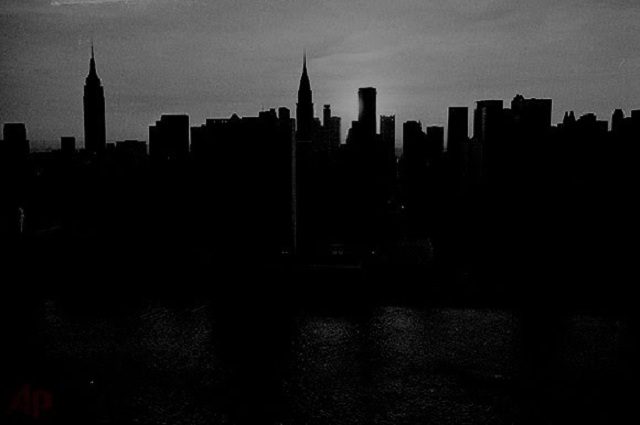
The Upcoming US Blackout:The Warnings Continue to Go Out as the Mass of Humanity Continues to Go About Its Normal!When This Occurs, Law-and-order Will Go Out the Window and Stores Will Become Overrun and Looted by People Desperate for Supplies and Necessities

There are many who believe that a future blackout impacting the United States is a matter of ‘if’ and not ‘when.’

The term ‘blackout’ itself is a rather vague word, but in general, it refers to a potential disaster that completely knocks down the United States power grid.

Whether this blackout is caused by an electromagnetic pulse (EMP) attack, a solar flare, a natural disaster, how wide of an area it affects, and for how long it lasts before things go back to normal are all questions that remain to be determined.

But that’s exactly why preparation is so important because we don’t know what’s going to happen in the future.

And while you may think that the idea of a massive blackout impacting the United States is unlikely to happen, as the old saying goes, it’s better to pray for the best but prepare for the worst than not prepare at all.

Here’s what you need to do before the upcoming US blackout:

Have Emergency Cash On Hand

As a golden rule, you’ll want to have at least $1,000 in cash set aside in your home.

This is because in the event the internet or card processing machines won’t be working following the blackout, you’ll want to make sure you have cash on hand to buy things while you still can.

If a large-scale blackout occurs, it won’t take very long for there to be a massive societal breakdown.

When this occurs, law-and-order will go out the window and stores will become overrun and looted by people desperate for supplies and necessities.

The best time to go and buy food and supplies while you still can is immediately after the blackout has occurred. You’ll need to have plenty of cash on hand to make this happen.

Stockpile Food and Water

It may seem like a cliché to say, but stockpiling food and water is one of the most important things you can do to prepare for a blackout.

This is for two reasons:

1. Without food and water, we can’t live.

2. After a blackout hits, it will be very difficult for you to resupply yourself.

Think about how long of a disaster you want to prepare for and then collect enough food and water appropriately. For example, let’s say that you have a family of four and want to store enough food and water for the four of you to last for six months.

The Upcoming US Blackout

As a general rule, you’ll need to set aside one gallon of water per person per day (for both cleaning and drinking purposes). That’s four gallons of water for your family collectively per day, or around a hundred and twenty gallons a month. Multiply that by six for six months, and you get seven hundred and twenty gallons.

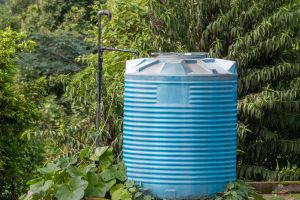
That’s a lot of water, and you’ll want to ensure you have enough storage space to hold that water. The best way to store this much water is to invest in multiple big water storage tanks, and then rotate the water out at regular intervals to ensure it remains clean.

For food, you can invest in emergency food supply kits, and pay close attention to the labeling on the kits to see how many days or months the food is intended to last for. Then stockpile appropriately.

Stockpile Other Essentials

It’s also a cliche to say, but it’s also no less important. Besides food and water, there are a lot of other important items that you’ll want to stockpile as well.

These include, but are not necessary limited to:

  • Ammunition
  • Clothing
  • Containers
  • First Aid Items
  • Gasoline
  • Paper
  • Personal Hygiene Items
  • Plastic Bags
  • Prescription Medication
  • Propane

Hide Your Stockpile

The Upcoming US Blackout

Or at least don’t make it obvious that you have a stockpile.

This is for two primary reasons.

The first is you don’t want people knowing that you have a stockpile, because doing so will put a target on your back once the blackout has struck.

The second reason is because if martial law is declared, the authorities will attempt to seize control over the production and distribution of food and water to ensure that the civilian population remains dependent on them to stay alive.

Don’t be surprised if law enforcement officers come knocking on your door and literally confiscate whatever they want. This is why having a ‘secret’ storage room is so critical.

Make Your Home More Defensible

Most suburban homes are not very defensible and incredibly easy for determined burglars or home invaders to break into.

And unfortunately, after all the stores in town have become looted and stripped of supplies, homes will become the next major target.

There are five big steps you can take to ensure your home is easier to defend to keep you and your family safe:

  1. Build DIY traps and alarms against looters and intruders.
  2. Replace all doors leading outside with heavy duty steel doors.
  3. Replace all locks and hinges to the doors with heavy duty locks and hinges.
  4. Replace all glass windows with acrylic glass windows.
  5. Install a hideaway safe room in your home with supplies that you and your family.

Have A Backup Plan

Always have a backup location that you can retreat to, and ideally where you can link to with other members in your circle of trust.

The Upcoming US Blackout What To Do Before It’s Too Late

Hopefully you’ll be able to bug in at your home and ‘wait out the storm,’ but if it becomes too dangerous for you to stay at home, you want to make sure you have somewhere to go.

Bugging out of town with no plan and nowhere to go is one of the worst things you can do in any disaster scenario.

Make sure the following conditions are met at minimum for your bug out plan:

  • You have a bug out location, preferably in a rural area. It should be shielded from view of anyone on nearby freeways or highways. The location should ideally be property that either you or someone in your circle of trust owns.
  • This location should have tents or buildings in which you and members in your group can live in.
  • It should have access to a natural source of water.
  • You must have at least 2-3 routes of getting to that location. If law enforcement blocks one route, for instance, you’ll need another way of getting there.
  • You must be in coordination with family and friends in your circle of trust during and after the blackout. Invest in CB or HAM radios so you can get in-touch with them after the blackout has occurred. You may not be able to rely on cell or internet service depending on what’s happened.

Bugging out on the open road is always risky. But bugging out with nowhere to go is always riskier than bugging out with somewhere to go and a plan of meeting up with other people you can trust once you are there.

For a final piece of advice, remember to not inform anybody of your preparations outside of the small group of people in your ‘circle of trust’ while preparing for a blackout. Doing so is an excellent way to put a target on your back.

Even though your unprepared friends and neighbors may be nice now, when the blackout hits and supplies dry up, these are the same types of people who will knock on your door demanding what you share with them…and they won’t be very nice then either.

What else do you think you should be doing to prepare for the upcoming blackout that hits the United States?

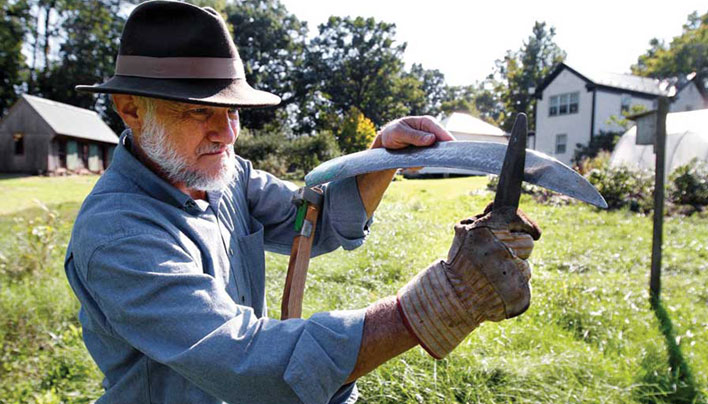
30 Primitive Skills Every Prepper Should Know-That Will Actually Keep You Alive in Any Situation

Preppers as a whole are one of the most knowledgeable groups of people on the planet, as they look at what could potentially happen and prepare for it.

Since modern-day infrastructure is a house of cards, possessing primitive skills are as important now as they were 10,000 years ago.

Here are 30 primitive skills that every prepper should know:

1. How To Build A Fire

The single most important thing any prepper should know is how to build a fire. Modern-day human beings have become complacent and many people can’t even start a fire if given lighter fluid and a lighter.

Being able to start a fire with limited materials can be critically important when in a survival situation. Starting a fire from scratch using a technique like the fire bow or fire spindle certainly requires a great deal of practice.

In this short VIDEO, I will unearth A lost super-food will bulletproof you against any food shortage or famine. It’s a food that vanished with the Incas over 6 centuries ago

In the next crisis these lost skills will be more valuable than gold, food supplies and survival equipment combined. These skills have been tested and proven to work for centuries.

Here is just a small glimpse of what you’ll find in this massive 300-page sequel (in color) to The Lost Ways:

  • A lost super-food will bulletproof you against any food shortage or famine. It’s a food that vanished with the Incas over 6 centuries ago. This mysterious dish was just recently rediscovered by NASA who has been giving away rations of it to our brave men and women in their month-long space missions. The Incas stored it in pit holes for up to 10 years, ate it year-round, and actually used it to survive a 4 year long super-drought that wiped out their southern neighbors. So, if it managed to save the Incas centuries ago and it still works for our astronauts today, you can bet your last dollar it will keep you and your family well fed in any crisis. And the best part is that you probably already have the ingredients in your kitchen right now.

2. How To Survive A Night In The Wilderness

Surviving a night in the wilderness is not something most people have ever experienced. Darkness combined with cold temperatures, stinging insects, and potential precipitation can make for a miserable experience. In order to ride through the night, one must have a fire and a shelter that is appropriate for the environment.

3. How To Use Basic Tools

While most people should understand how to use basic tools like a saw, screwdriver, and hammer, some people have no experience with these hand tools. Anyone in the second category should start by making items like furniture using hand tools so they have some basic know-how.

4. How To Purify Water

The best way to purify water is to boil it, but this may not always be an option. A Bug Out Bag should be equipped with some sort of water purifier whether that be chlorine or iodine.

5. How To Create A Shelter

Creating a survival shelter is going to be extremely important in a long-term survival situation. Ideally, a Bug Out Bag should come equipped with a tarp to make a quick makeshift shelter for the night. However, a long-term stay will require a more sturdy structure that keeps the elements out and traps heat inside.

6. How To Make A Raised Bed

Making a raised bed keeps a survivalist off of the cold ground and away from predators while sleeping through the night.

7. How To Hunt

Hunting is a skill that everyone should have, as meat is the best calorie source in a survival situation. Hunting with a rifle, bow and arrow, spear, and knife should all be options for the experienced hunter.

8. How To Trap Animals

Trapping animals is a time-efficient way to capture prey. Learning basic techniques like the deadfall trap, bird trap, and fish trap can greatly increase caloric intake in a survival situation.

9. How To Make A Spear

If not equipped with a rifle, hunting big game like wild boar can be done with a spear. Additionally, a spear is a great weapon for protection so understand how to make and use a primitive spear.

10. How To Make A Sling

A sling is a useful weapon that can be used to catch small game. Making a sling only requires a piece of wood, a rope, and rocks to be used as ammo.

11. How To Sharpen Tools And Knives

Sharpening tools and knives are an important part of survival in the wilderness and any Bug Out Bag should be equipped with a sharpening stone. If not equipped with a sharpening stone or file, use a stone or the bottom of a ceramic mug to sharpen blades.

12. How To Fish

A Bug-Out-Bag should have basic fishing equipment like a fishing line and hooks. Survivalists who are going to be dealing with a winter situation should also know how to ice fish, as fish is one of the most plentiful calorie sources.

13. How To Butcher Animals

Butchering animals is a skill that requires some practice, as skinning animals and cleaning them requires proper techniques.

14. How To Preserve Meat

Preserving meat is a must in a survival situation where refrigeration is non-existent. There are two main ways to preserve meat, salting it or smoking it. Meat that has been properly smoked can last for months.

15. How To Cook Outside

Cooking kills all pathogens that could turn a pleasant experience into a nightmare situation. For the most part, cooking over a fire and using fire to boil water are going to be the most basic culinary techniques a survivalist needs to know.

16. How To Make Distilled Alcohol

Distilled alcohol can provide fuel, serve as a way to sterilize wounds, be used for barter, and consumed for enjoyment.

17. How To Tan Animal Hides

After skinning an animal, the hide must be tanned before it can be used as clothing. In many cases, salt in combination with an egg yolk mixture can be used to tan hides.

18. How To Make Clothing Out Of Animal Hides

After tanning animal hides, they can be stitched together to create clothing. Leather clothing is extremely wind-resistant, resistant to moisture, and lasts nearly indefinitely.

19. How To Sew

A sewing kit should be included in the emergency section of a Bug Out Bag so learn how to sew to quickly stitch up any wounds or mend torn clothes.

20. How To Make Medicine

Making medicine from plants is another ancient skill that can come in extremely handy in a survival situation.

21. How To Make A Torch

The most straightforward torch design is composed of a stick featuring a bundle of rags bound to one end, then soaked in tree sap, pitch, oil, or animal fat.

22. How To Manipulate Metal

Being able to fabricate anything out of metal improves life quality. At the very least, preppers should have some basic metal fabrication knowledge.

23. How To Weld

Being able to weld significantly increases the number of items that can be created out of metal and allows anyone to be able to repair machinery.

24. How To Determine Edible Plants

The best way to go about determining which plant is edible is to actively identify plants in the area on sight.

25. How To Manipulate Wood

Some basic woodworking primitive skills to create wood structures and shelters come in extremely handy in the wilderness.

26. How To Make A Walking Stick

A walking stick with a Y structure on one end and a point on the other end serves as both defense and a way to pin animals to the ground.

27. How To Tie Knots

Tying knots, specifically square knots and slipknots, is another basic skill that every survivalist should know, as it is required in many types of shelters and when creating animal traps.

28. How To Ride A Horse

Riding a horse is a skill that everyone should possess. Learn to ride a horse and jump in the saddle if the situation presents itself.

29. How To Calculate Direction

Calculating between north and south is fairly easy. In the northern climates, moss always grows on the north side of trees, but not on the south side.

30. How To Calculate The Hours Left In The Day

To calculate the hours left in the day, simply place your hand underneath the sun and count how many fingers fit between the bottom of the sun and the terrain. All four fingers indicate that one hour is left in the day, with each finger indicating 15 minutes.

Primitive Skills Every Prepper Should Know

Armed with these primitive skills, preppers have the necessities that allow them to get through tough times.

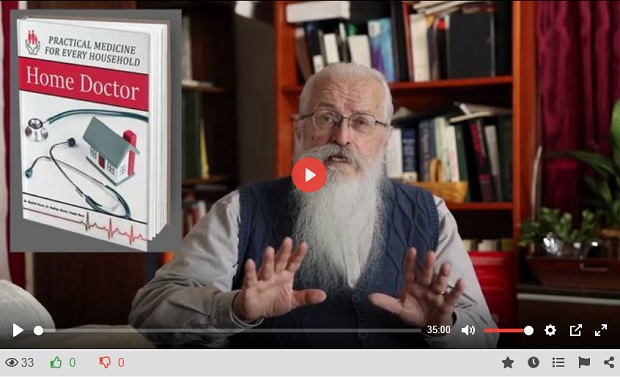
I highly recommend this book: The Home Doctor – Practical Medicine for Every Household – is a 304 page doctor written and approved guide on how to manage most health situations when help is not on the way.

If you want to see what happens when things go south, all you have to do is look at Venezuela: no electricity, no running water, no law, no antibiotics, no painkillers, no anesthetics, no insulin or other important things.

But if you want to find out how you can still manage in a situation like this, you must also look to Venezuela and learn the ingenious ways they developed to cope.

This book is a unique guide for the layman that you can use when help is not on the way or to manage common ailments that don’t require seeing a doctor.

Let me show you just some of the things you’ll find inside the Home Doctor:

Learn More…

How To Repurpose Old Items Into New Projects For Your Home And Backyard

One of the problems with projects around the home and in the backyard is that the materials required can be costly or require several trips to the hardware store.

Fortunately, with a bit of imagination and a rummage through the recycling bin, you can construct many backyard projects that are functional while looking good.

Old Tire Planters

When the tires of our cars and trucks need replacing, it is tempting to have the tire shop take them off our hands, but there are a couple of ways to repurpose them in the backyard as planters.

Old tires can be placed on the ground and filled with dirt to be used as a simple planter. Alternatively, an old tire can be hung from the wall or fence and have plants planted inside it to make a more unique and decorative planter.

Soda Bottles

Soda bottles are often returned for a few cents, but they can also see new life in your backyard.

  • Mini-Greenhouses

Building a full-scale greenhouse requires a lot of space and materials and is often not appropriate for the average suburban backyard. However, there is another option that may not be as efficient as a full-scale greenhouse, but can replicate the effect of a large greenhouse on a much smaller scale.

In this short VIDEO, I will unearth A lost super-food will bulletproof you against any food shortage or famine. It’s a food that vanished with the Incas over 6 centuries ago

In the next crisis these lost skills will be more valuable than gold, food supplies and survival equipment combined. These skills have been tested and proven to work for centuries.

Here is just a small glimpse of what you’ll find in this massive 300-page sequel (in color) to The Lost Ways:

  • A lost super-food will bulletproof you against any food shortage or famine. It’s a food that vanished with the Incas over 6 centuries ago. This mysterious dish was just recently rediscovered by NASA who has been giving away rations of it to our brave men and women in their month-long space missions. The Incas stored it in pit holes for up to 10 years, ate it year-round, and actually used it to survive a 4 year long super-drought that wiped out their southern neighbors. So, if it managed to save the Incas centuries ago and it still works for our astronauts today, you can bet your last dollar it will keep you and your family well fed in any crisis. And the best part is that you probably already have the ingredients in your kitchen right now.

You can turn a standard soda bottle into a mini greenhouse by simply cutting the bottom off the bottle and placing it over a plant that you want to house in your new mini-greenhouse. Be sure to thoroughly clean the inside of the bottle and remove the label.

  • Insect Traps

You can create an insect trap by cutting the top off a soda bottle and turning it upside down into the bottom. Then, all you need to do is place bait in the bottom of the trap, which can be apple cider vinegar and dish soap, brown sugar and yeast, or dish soap and a light source.

Then, all you need to do is hang it in an area where you have a flying insect problem and leave it for the insects to fly into and become trapped.

Milk Jug Bird Feeder

Empty gallon milk jugs can make lovely hanging bird feeders and an excellent project for children to build. There are as many variations as your imagination can come up with, and this basic design can be modified and improved to suit the size and type of birds you want to feed.

Moreover, building a basic milk jug bird feeder is a very straightforward project, and all you need is a milk jug, some wire, dowels, and birdseed.

1. Firstly, thoroughly clean the inside of the milk jug with soap and water.

2. Cut openings in the sides of the jug large enough for the birds to access the birdseed inside.

You can cut one hole or four holes. It’s up to you.

3. Cut or drill holes large enough to fit the wood dowels just underneath the large openings that you cut.

4. Pass lengths of dowel through the hole and the hole on the other side, leaving enough sticking out for the birds to perch on comfortably.

5. Make two holes in the top and pass some wire through to make a hanger.

6. Fill with birdseed and hang in an area where birds are likely to feed.

You can use your imagination to develop different designs for this style of DIY bird feeder.

Repurpose Pallets

There are many different ways to repurpose old pallets in the backyard for innovative projects. What I am about to detail below are only a few ways that old pallets can be given new life.

  • As Wall-mounted Storage

There are many ways to repurpose pallets, but one that you are not likely to have thought of is to hang a pallet from a wall and use the slats to hang garden tools on.

You can also disassemble some of the boards on a pallet to make shelves and cubbies. Your imagination is the only limiting factor in what you can do with a pallet mounted to a wall.

  • As Furniture

With a bit of DIY know-how, you can make furniture by either disassembling the pallets and repurposing the wood or joining the pallets together to make tables, chairs, benches, or storage units.

Make sure to take the time to sand and adequately protect the wood if you want to use pallets as furniture.

  • As Fencing

If you have access to many pallets, you can stand them up on their side and join them together to make an effective garden fence. They are especially good for creating a fence around a garden area or an enclosure for some animals.

Rubber Boots into Planters

Rubber boots will inevitably succumb to the abuse inflicted upon them and begin to leak, leaving us with soggy feet. So instead of discarding these worn-out items of footwear into the nearest trash can, take them out to the garden to be used as a unique planter idea.

All you need to do is fill them with potting soil and plant whatever seeds you wish inside them. The leaks that make the boot no longer appropriate for keeping our feet dry will allow for drainage of the plants’ soil.

Dresser as Planters

Another unique planter idea is to use an old dresser as a garden planter. All that’s required is to open the drawers so they resemble a staircase, installing some boards inside so that you can only place the dirt in the area protruding from the body of the dresser.

Be sure to line the bottom of the dresser drawers with landscape fabric to help keep the dirt in while allowing for drainage.

Milk Crates

You can repurpose milk crates in all sorts of ways in the backyard or the garden. Of course, one of the more obvious uses is to use them as storage boxes, but you can also use them to make seats, tables, and planters.

With a few components such as a couple of axles and wheels and a makeshift handle, you could also turn a milk crate into a DIY wagon.

Securing milk crates to a wall or fence with the open end facing out will create a good and sturdy shelving unit.

Finally, there are many more ways to repurpose old household items to make new and creative projects in your backyard.

Once you complete a few repurposed backyard projects, you will definitely find yourself having second thoughts before throwing anything away again.

I highly recommend this book: The Home Doctor – Practical Medicine for Every Household – is a 304 page doctor written and approved guide on how to manage most health situations when help is not on the way.

If you want to see what happens when things go south, all you have to do is look at Venezuela: no electricity, no running water, no law, no antibiotics, no painkillers, no anesthetics, no insulin or other important things.

But if you want to find out how you can still manage in a situation like this, you must also look to Venezuela and learn the ingenious ways they developed to cope.

This book is a unique guide for the layman that you can use when help is not on the way or to manage common ailments that don’t require seeing a doctor.

Let me show you just some of the things you’ll find inside the Home Doctor:

Learn More…

15 NATURAL ANTIBIOTICS OUR GRANDPARENTS USED INSTEAD OF PILLS

For hundreds of years, maybe even longer, our grannies and grandfathers relied on simple household items to heal. For that purpose, they picked different natural antibiotics, which they mostly found in home, gardens or meadows and woods nearby.

Much of this came out of necessity. Rather than using an antibacterial facial scrub, our Nanas massaged honey deep into their pores. By using proven old home remedies, we can treat and cure various health problems and do a lot for our health avoiding unpleasant medications side effects, too.

Some of these remedies even date back thousands of years, as far back as the tribes of Central and South America. Now, perhaps with the advent of slow-living, these products are slipping back into style. Many appreciate the remedies for their simplicity, price, or their low-impact on the earth. Rather than spend $8 on sea salt spray, you can simple mix some salt with water and spritz it into your hair. You save money as well as a package.

In honor of our ancestors, we’ve gathered some of our favorite time-honored traditions. These timeless products have earned a permanent place in our pantries.

Garlic

Raw garlic when crushed or chewed contains a compound called allicin – which has similar properties to penicillin.

This superfood member of the onion family is antibiotic, anti-inflammatory, anti-viral, anti-parasitic, anti-fungal, and antioxidant (mopping up free radicals that have been proven to cause cancer).

For more than seven millennia, it has been used internally and externally to treat mild illness to serious diseases.

Everything from inflammation to colds to serious infections is minimized and/or obliterated with the addition of garlic and for those who don’t enjoy the taste, there are supplements as well. Check into “aged” garlic supplements for the best results.

Garlic is not only potent, it contains a host of vitamins, nutrients, and minerals that are beneficial to total body wellness. Not to mention the cost is pennies in comparison to doctor visits and prescriptions!

In this short VIDEO, I will unearth A lost super-food will bulletproof you against any food shortage or famine. It’s a food that vanished with the Incas over 6 centuries ago

In the next crisis these lost skills will be more valuable than gold, food supplies and survival equipment combined. These skills have been tested and proven to work for centuries.

Here is just a small glimpse of what you’ll find in this massive 300-page sequel (in color) 

  • A lost super-food will bulletproof you against any food shortage or famine. It’s a food that vanished with the Incas over 6 centuries ago. This mysterious dish was just recently rediscovered by NASA who has been giving away rations of it to our brave men and women in their month-long space missions. The Incas stored it in pit holes for up to 10 years, ate it year-round, and actually used it to survive a 4 year long super-drought that wiped out their southern neighbors. So, if it managed to save the Incas centuries ago and it still works for our astronauts today, you can bet your last dollar it will keep you and your family well fed in any crisis. And the best part is that you probably already have the ingredients in your kitchen right now.

Unlike chemical antibiotics that kill millions of friendly bacteria your body needs, its only goal is bacteria and microorganisms. Garlic also encourages and increases the level of healthy bacteria. It is a powerful antifungal agent and destroys any antigen, pathogen, and harmful disease-causing microorganisms.

  • Garlic packs a punch with phytochemicals and healing sulfur components. These sulfur compounds even chelate toxic heavy metals (like lead & cadmium), binding with them for excretion out of the body.
  • It has antibacterial, anti-fungal, and even antiviral qualities.
  • It promotes the growth of healthy intestinal microflora by acting as a prebiotic (food for probiotics).
  • Garlic helps keep fats from oxidizing.
  • Garlic acts as a strong antioxidant and guards against DNA damage.
  • It protects against radiation & sunlight damage.
  • Garlic fights worms and parasites.
  • It benefits digestion, which is good for the whole body.
  • It contains many nutrients such as vitamins (C, B1, B2, B3), minerals (calcium, folate, iron, magnesium, manganese, phosphorus, potassium, selenium, zinc, and phytochemicals (Allicin, beta-carotene, beta-sitosterol, caffeic acid, chlorogenic acid, diallyl-disulfide, ferulic acid, geraniol, kaempferol, linalool, oleanolic acid, p-coumaric acid, phloroglucinol, phytic acid, quercetin, rutin, s-allyl-cysteine, saponin, sinapic acid, & stigmasterol).

Honey

Herbalists consider honey as one of the best natural antibiotics. It also contains antimicrobial, anti-inflammatory and antiseptic properties. A 2014 study presented at a meeting of the American Chemical Society found that honey has the ability to fight infection on multiple levels, making it more difficult for bacteria to develop resistance to it.

Ancient Romans used honey on the battlefield to treat wounds and prevent infection.

Civilizations all over the world continue to consider honey one of the best natural antibiotics, antimicrobials, anti-inflammatories, and antiseptics known to man after thousands of years.

Its unique combination of hydrogen peroxide, acidity, osmotic effect, high sugar concentration and polyphenols help kill bacterial cells. To get the antibiotic benefit of honey, always use raw, organic honey.

Olive leaf extract

This substance has been used for a number of centuries to battle bacterial infections and is now currently being used as well to fight MRSA infections in some European hospitals. It provides immune system support while fighting antibiotic-resistant infections. Olive leaf extract also has anti-inflammatory properties. Additionally, it exhibits free-radical scavenging abilities.

  • You can make olive leaf extract for external use at home. Put a handful of finely chopped fresh olive leaves into a glass jar with a lid. Pour vodka over the leaves until they are completely covered. Close the lid and keep the jar in a dark place for 4 to 5 weeks. Using a cheesecloth, strain the liquid into another glass jar and your homemade olive leaf extract is ready to use.
  • Another option is to take olive leaf extract in supplement form. 250 to 500 mg capsules twice daily is the standard dosage. However, consult a doctor before taking the supplement.

Turmeric

This herb has been used in Ayurvedic and Chinese medicine for many thousands of years to treat a wide range of infections. The antibacterial and anti-inflammatory qualities have been known to be highly effective in the treatment of bacterial infections. The antimicrobial activity of curcumin against helicobacter pylori showed positive results. Curcumin is the active ingredient in turmeric.

  • Mix 1 tablespoon of turmeric powder and 5 to 6 tablespoons of honey. Store it in an airtight jar. Have ½ teaspoon of this mixture twice daily.
  • You can also take turmeric supplements of 400 to 600 mg, twice daily. However, consult your doctor first.

Echinacea

With similar effects to garlic, it was traditionally used to treat open wounds, as well as blood poisoning, diphtheria and other bacteria-related illnesses. Echinacea is well tolerated and able to stimulate the immune system by naturally boosting infection fighters in your blood stream. Native to North America, Echinacea has been used for centuries in tribal medicine to treat pain and sickness.

Unlike garlic, this antibacterial, anti-fungal, anti-viral solution is generally used at the first signs of illness and should not be taken for more than ten days. It is available in liquid and capsule form.

Echinacea is also used against many other infections including the urinary tract infections, vaginal yeast infections, genital herpes, bloodstream infections (septicemia), gum disease, tonsillitis, streptococcus infections, syphilis, typhoid, malaria, and diphtheria.

Cayenne peppers

Cayenne peppers are the most powerful circulation stimulators. They just send their antibiotic properties to fight the disease where it is mostly needed.

Onion

Onion is garlic’s closest relative and it has a similar but milder action. Together they create a strong fighting duo.

Raw apple cider vinegar

The far-reaching benefits of daily doses of apple cider vinegar (ACV) include antibiotic and antiseptic properties, naturally alkalizing your system, and can aid you in everything from managing your weight to lowering cholesterol and your risk of cancer.

A chemical-free astringent, ACV can be used topically to disinfect and sterilize.

Oregano oil

Oil of oregano is considered anti-microbial, antibacterial, anti-parasitic, anti-viral, and anti-fungal.

It can be used internally and externally in the treatment of wounds, respiratory problems, digestive upset, and even the common cold.

  • For treating foot or nail infections, add a few teaspoons of oregano oil to a tub filled with warm water. Soak your feet in it for a few minutes daily for a week.
  • For sinus and other upper respiratory infections, put a few drops of the oil of oregano in a pot of boiling water and inhale the steam. Do this once daily until you get rid of the infection.

Colloidal Silver

While colloidal silver is highly antibiotic in nature, I suggest only using it for external uses such as gargling, ear infections like swimmers’ ear and skin.  The reason is that ingestion of colloidal silver does damage the delicate gut microbiome by killing beneficial bacteria though not as extensively as drug based antibiotics. If you need the assistance of natural antibiotics to consume internally, choose another one on this list, not colloidal silver.

Grapefriut seed extract(GSE)

Grapefruit seed extract (GSE) effective against more than 800 forms of viruses and bacteria, more than a hundred strains of fungus, and many parasites.

High in many antioxidants, GSE boosts immunity, alkalizes the body naturally, and aids in digestion by improving your beneficial gut flora.

Ginger

Ginger’s natural antibiotic property helps prevent and treat many health problems caused by bacteria. Fresh ginger has an antibiotic effect against food-borne pathogens like salmonella. It also has an antibacterial effect on respiratory and periodontal infections.

So, if you are going to eat something that has the potential for food borne illness such as sushi or raw oysters, always best to eat some fresh ginger (raw and pickled is most potent) too in order to make use of its natural antibiotic properties.

  • Ginger tea is a great preventive measure against bacterial infections. To make the tea, grate 1 inch of fresh ginger and boil it in about 1½ cups of water for 10 minutes. Strain, add honey and lemon juice for taste and drink it.
  • Also, include dry or fresh ginger in your cooking. You can also take ginger capsules, after consulting your doctor.

Manuca Honey

What would this list of natural antibiotics be without raw honey which has been used as an infection fighter since ancient times?  Of all the raw honey on the planet, Manuka honey from New Zealand is the best when it comes to resolving infections. An enzyme found in honey releases hydrogen peroxide. This process helps your body fight infection and prevents the growth of bacteria. Soothing to the digestive system, honey removes toxins from the blood and helps your liver operate more efficiently.

A great boost to the immune system, consider combining honey with cinnamon to strengthen your white blood cells! Raw, organic honey is the best option since most pasteurization methods kills the antioxidant effects.

Cabbage

What many people don’t realize is how much vitamin C is found in cabbage. One cup provides 75% of what you need every day.

Naturally antibacterial, eating shredded raw cabbage in your salad, as a side dish in the form of slaw, or drinking fresh cabbage juice (with honey added to sweeten) is an excellent way to improve digestion, prevent disease, and even manage your weight!

Extra virgin coconut oil

There is not enough that can be said for the benefits of coconut oil. It has naturally occurring anti-fungal and anti-microbial properties and is packed with antioxidants you can’t find anywhere else in nature.

Use it to boost your immune system, balance thyroid, cholesterol, and blood sugar levels, and even improve brain function. Safe to use internally and externally, coconut oil is one of the most versatile and unique gifts from Mother Nature.

Goldenseal

Goldenseal’s natural antibiotic property works well for both topical and internal bacterial infections. Goldenseal contains a compound called berberine that helps kill many types of bacteria that cause many health problems.

Berberine also activates white blood cells, making them better at fighting infection and strengthening the immune system.

  • For internal use, prepare a cup of herbal tea by steeping 1 teaspoon of goldenseal powder in 1 cup of hot water. Strain and drink it while it is still warm. Drink this tea once daily.
  • For external use, prepare a mixture with 1 teaspoon of goldenseal powder and the oil of a few vitamin E capsules. Apply it to the affected area 3 times a day.

Note: Do not take this herb internally for more than a few weeks at a time.

Indian lilac or neem

Neem, also known as Indian lilac, is another natural antibiotic. In addition, due to its antibacterial nature, neem keeps different types of oral problems like cavities, plaque, gingivitis and other gum diseases at bay.

  • To prevent skin infections, use cosmetics and skin care products that have neem as one of the main ingredients.
  • Take neem tablets to help remove accumulated toxins in the body and any parasitic organisms. Consult your doctor for the correct dosage.

I highly recommend this book: The Home Doctor – Practical Medicine for Every Household – is a 304 page doctor written and approved guide on how to manage most health situations when help is not on the way.

If you want to see what happens when things go south, all you have to do is look at Venezuela: no electricity, no running water, no law, no antibiotics, no painkillers, no anesthetics, no insulin or other important things.

But if you want to find out how you can still manage in a situation like this, you must also look to Venezuela and learn the ingenious ways they developed to cope.

This book is a unique guide for the layman that you can use when help is not on the way or to manage common ailments that don’t require seeing a doctor.

Let me show you just some of the things you’ll find inside the Home Doctor:

Learn More…

COVID-19 “The Hunger Virus”: World Faces Unprecedented Hunger Crisis. Millions People Will Be Pushed Into Extreme Poverty

The coronavirus is disrupting food supply chains because farmers and laborers cannot work or travel, transportation delays are causing shortages, and in the United States, for example, meat processing plants have been forced to close.

Not only are these breaks in the supply chain affecting the availability of food, but also its affordability. Millions who already struggled to support themselves and their families have been struck by economic hardship caused by lockdowns around the globe.

Millions people will be pushed into extreme poverty this year owing to the pandemic, but the long-term effects will be even worse, as poor nutrition in childhood causes lifelong suffering. Already, one in five children around the world are stunted in their growth by the age of five, and millions more are likely to suffer the same fate if poverty rates soar.

Throughout history, mankind has waged a constant war with starvation. From the time of the first hunter-gatherers, through the early cultivation of crops and all the way to our modern, industrialized farming techniques, we humans have been working to ensure that we can survive the next winter, when no crops are growing and animals hide in their burrows. To our ancestors, this was a great challenge, unlike today. For that reason, the idea of being a “prepper” would seem strange, as they all lived a prepping lifestyle.

Most Americans don’t even think about having enough food in a crisis… until it’s too late.

With these 3 super foods alone, you’ll probably have the most complete stockpile in your group and you’ll never need to depend on anyone else in times of crisis.

Yet somehow, modern western culture has distanced itself from the reality of needing to grow food. As the number of farmers in our midst keeps dwindling and industrialized farming takes over, fewer and fewer people have any idea of where their food comes from. The idea that the grocery store produces meat and vegetables rather than farmers and ranchers growing it, might make for a good joke, but the ignorance behind it is outright frightening.

The United States is the number one food producing nation in the world; yet we do it with a very small percentage of our overall population. Farming, fishing, forestry and related activities account for only 1.8% of the overall workforce. Those people not only produce the food that we eat here at home, but much that is exported overseas.

We depend on this small portion of our population, plus the others who work in the food service industry, to keep the rest of us fed. The rest of us don’t even bother thinking about it. After all, there’s always food in the grocery store… lots of food. There always has been and there always will be, right?

But what if they can’t? Since coronavirus lockdown has started, the farmers in this country can’t produce the food needed to feed our population, let alone all the other countries in the world that buy $159 billion in American food products. What will we do Next?

Main drivers of acute food insecurity found all over the continent include:

We’re Not Hearing About It

Should there be actual shortages of food, there would be a need for some sort of food rationing. That would be a function of the USDA (US Department of Agriculture), who would be responsible for putting some sorts of controls in place, ensuring that the food which our farmers are producing would be properly allocated, so that everyone’s needs would be met.

What’s scarier than the potential of food shortages in the near future, is that we’re not hearing about it. Nor does it seem that the USDA is hearing anything about it. Nothing is being done to prepare for potential shortages, because the people who should be dealing with that don’t have any idea of what is going on. They seem to be kept in the dark and nobody seems to know who is hiding that news.

This means that when the food shortages begin to manifest, nobody is going to be ready for it. Government bureaucrats and major producers up and down the line will be caught with a sudden need to do something, but without the time to plan out what should be done.

This presentation PROOVES WITHOUT DOUBT that America is in for a major fight that will put you and your family in the firing line, literally… So make sure you watch this presentation while it’s still online…

Can The Food Run Short?

There are places in the world today where food shortages are the norm. I’ve had church pastors from other countries in my home, who have told me about the people they bury, even children, because they’ve starved to death. This is a very real problem in a number of different countries. It’s not something made up by non-profit organizations, to try and get your money.

Are we going to run into that problem here in the USA? We could, but we probably won’t. As a country, we produce something like 180 billion tons of food per year. Of that, about a third actually goes to waste, not ending up on anyone’s dining room table.

The reason for this waste, is that, as a country, we are very focused on the appearance of our food. That began just after the time of World War II, coinciding with electric refrigerators becoming commonplace. Even with their faults, those early electric refrigerators were so much more efficient than iceboxes, that it made a difference in how our food looked, especially produce. No longer did homemakers have to concern themselves with brown spots on produce; it would be consumed before that happened.

With that being the case, homemakers became more selective in their purchases, passing over imperfect produce, in favor of better looking specimens. Noticing this, grocers stopped putting less than perfect produce on the shelves, opting to throw it away and make their selection look better. This then worked its way back to the farm, so that now there’s a lot of food which goes from the farm right to the landfill, rather than trucking it to the store.

Please note that there is nothing wrong with all this food that gets thrown away. In most cases, the flaws are superficial, mere cosmetic blemishes. I’m not talking about food that has spoiled, just food that doesn’t’ look so good.

With so much food that doesn’t ever get eaten, our farms would have to suffer severe shortages, before it became a shortage in the grocery store. The ones who would most likely be affected by such shortages would be our overseas customers, who buy some $160 billion worth of American food per year.

When Food Runs Short

This isn’t to say that it would be impossible for there to be serious food shortages in our country. The amount of food our farmers produce annually is dependent on a lot of separate factors. Should just one of those factors fall short, we might suddenly find ourselves in the position where productivity on the farms is drastically reduced.

There are a number of things I can think of, off hand, which could bring that about, ranging from severe weather to government regulation. Some of these regulations are being pushed for in Washington, without anyone taking into account the ultimate effect of those regulations.

Should the food supply begin to run short, we would first see it as a rise in prices at the store. The only effect that would have on most of us is a more costly grocery bill. We’d pay it and complain, tightening our belts elsewhere in our budgets, so that we could buy the same as we’ve always done.

But there would be those who couldn’t afford to spend more on their grocery bills; those people would suffer. Oh, they wouldn’t starve, but they would need to change their eating habits, so that they didn’t. More than anything, rather than buying fresh, they would have to settle for less favorable choices, perhaps even eating the food that is currently being thrown away.

It Could All Stop Tomorrow

While it would take a lot to shut down our farms or lower the amount they produce to levels where we would see shortages, there is one thing that could shut down food supplies in a day. That’s any sort of damage to our nation’s trucking industry.

The food production and food service industries depend on trucking, more so than many other industries. Without our nation’s trucking industry taking food from the farm to the various processing facilities and then from those to the stores, the supermarket shelves would empty in a day.

As I sit here writing this, that’s happening in Wyoming. Severe winter weather has made the roads all but impassible, with over 200 miles of Interstate 80 closed down. This is making it difficult for truckers to make their deliveries, which in turn has led to empty shelves in the stores. Should this situation last for more than a few days, things could get serious for the inhabitants of that state.

The same could happen nationwide, should the electrical grid go down or some sort of nationwide quarantine be put in place due to pandemic. It wouldn’t matter what farmers could produce then, as it would only be available to people living locally. Those who lived in states where there wasn’t any food grown or even in cities that were far from the farms and processing plants, had better have their pantries stocked, or they’ll find themselves on very short rations.

Is starting to feel like it’s every man for himself, Is possible that right now, a global crisis is upon us, Without even knowing… And the virus may not be the biggest threat, but the crisis that follows, Everyday goods that keep us alive will be gone, I’m talking, food, fresh water, medicine, clothes, fuel…

bnr

Grandma’s Ways for Modern Days: How to Dry Can Beans and Rice for 20+ Years Shelf Life

Beans and rice, a significant staple in a prepper’s pantry…or, should be. And, if the 2020 pandemic has shown us anything, it’s that we can never be too prepared for shortages of any kind. Prepping or pandemic aside though, I just happen to love having beans and rice in the house. There are so many things you can do with them.

In addition to the many recipes you can use beans and rice in, there’s my dog. Every once in a while, he needs to go on a very strict diet for his digestive system, and that includes mostly rice. Unfortunately, he hit one of those times in the last couple weeks, and sure enough rice was the latest shortage in the stores in my area.

So in this article, I will be letting you know a very simple way to dry can rice and beans to last you for at least 20 years on the shelf. And as soon as the shortage is over, I will be doing a much larger batch than I currently am able to do for this demonstration and article.

Sure, you could store the beans and rice in plastic storage bins. But that won’t prevent bugs and larvae from getting in eventually. In fact, when you open the bags and boxes of beans and rice before dry canning, inspect them thoroughly. However, this process will kill off unseen bugs or larvae that you might miss.

The Lost Ways is a far–reaching book with chapters ranging from simple things like making tasty bark-bread-like people did when there was no food-to building a traditional backyard smokehouse… and many, many, many more!

Supplies for Dry Canning Beans and Rice

Not only is the process quite simple, but the supply list is quite short. Here is what you will need or want:

  • Dry Beans – any type of dry beans, or a variety
  • Rice – any type of rice will work
  • Canning Jars and lids – whatever size you prefer
  • Funnel – not necessary, but might make it easier
  • Oven.
How to Dry Can Beans and Rice for 20+ Years Shelf Life

I need instant white rice for my dog, so that’s what we typically purchase. But it could be long grain, brown, flavored, instant or long cook. It doesn’t matter, any type can be dry canned.

For the beans, I love all beans, but I’m using pinto beans for this demonstration. I will also do this with black beans, and split peas in the future, because I use both quite often. You could also do some jars of mixed beans for bean soups.

It’s also good to know too, that both rice and beans can be purchased in bulk. So, if you want dozens of jars of each, no problem. Just know that if you are in an area similar to mine right now, you might have to wait until the shortages are over, before you can do large batches.

Step 1

How to Dry Can Beans and Rice for 20+ Years Shelf Life

Place the jars into a pot with about 1” of water and a splash of vinegar for a steam bath (about 15 minutes), to sterilize them. Let them steam for about 15 minutes, with the cover on the pot.

Step 2

How to Dry Can Beans and Rice for 20+ Years Shelf Life

Thoroughly dry the jars by first wiping them with a clean cloth, then placing them in the oven at 220° until they are thoroughly dry (about 30 minutes). Let the jars cool down completely before the next step.

Step 3

How to Dry Can Beans and Rice for 20+ Years Shelf Life

Fill the jars with the rice or beans, with about ¾ air space at the top. Make sure that the rice and beans are not wet or moist at all. If there is any moisture, it will start to cook in the next step, which defeats the entire purpose of dry canning. It will also wipe out the main perk of all the work, because it will not result in a good shelf life.

Step 4

Place the jars (without lids) in the oven at 220° for about 60-90 minutes, depending on the size of the jars. The larger the jar, the longer the time.

How to Dry Can Beans and Rice for 20+ Years Shelf Life

You can place the lids in a small pan and then place the pan in the oven for the last 15 minutes, which will sterilize them, as well as heat them up for a good seal.

Step 5

How to Dry Can Beans and Rice for 20+ Years Shelf Life

Pull the jars out of the oven, one at a time if you have a large batch. Wipe the rim of the jar to make sure you don’t have any debri on it, that could prevent an appropriate seal from taking hold.

Step 6

How to Dry Can Beans and Rice for 20+ Years Shelf Life

Tighten the lids securely, and place the jars aside. Wait for the popping to begin! The seals will start to pop, but if they have not popped (center of lid’s dome pops down) then you don’t have a seal. You should start the process again, if they have not sealed after 12 hours.Now that the beans and rice have been dry canned, you can store the unopened jars for at least 20 years. Some people swear that they have had success for up to 30 years.

Other items you could dry can include the following: dry pasta, dry oats, dry flour, dry spices, baking soda, baking powder.

You can even dry-can some baking mixes, as long as they don’t contain any nuts, shortening, oils, or brown sugar.

If you’re interested in learning more old remedies, you should read The Lost Book Of Remedies.

Lost Book of Remedies pages

The physical book has 300 pages, with 3 colored pictures for every plant and for every medicine.It was written by Claude Davis, whose grandfather was one of the greatest healers in America. Claude took his grandfather’s lifelong plant journal, which he used to treat thousands of people, and adapted it into this book.

Lost Book of Remedies cover

Learn More…